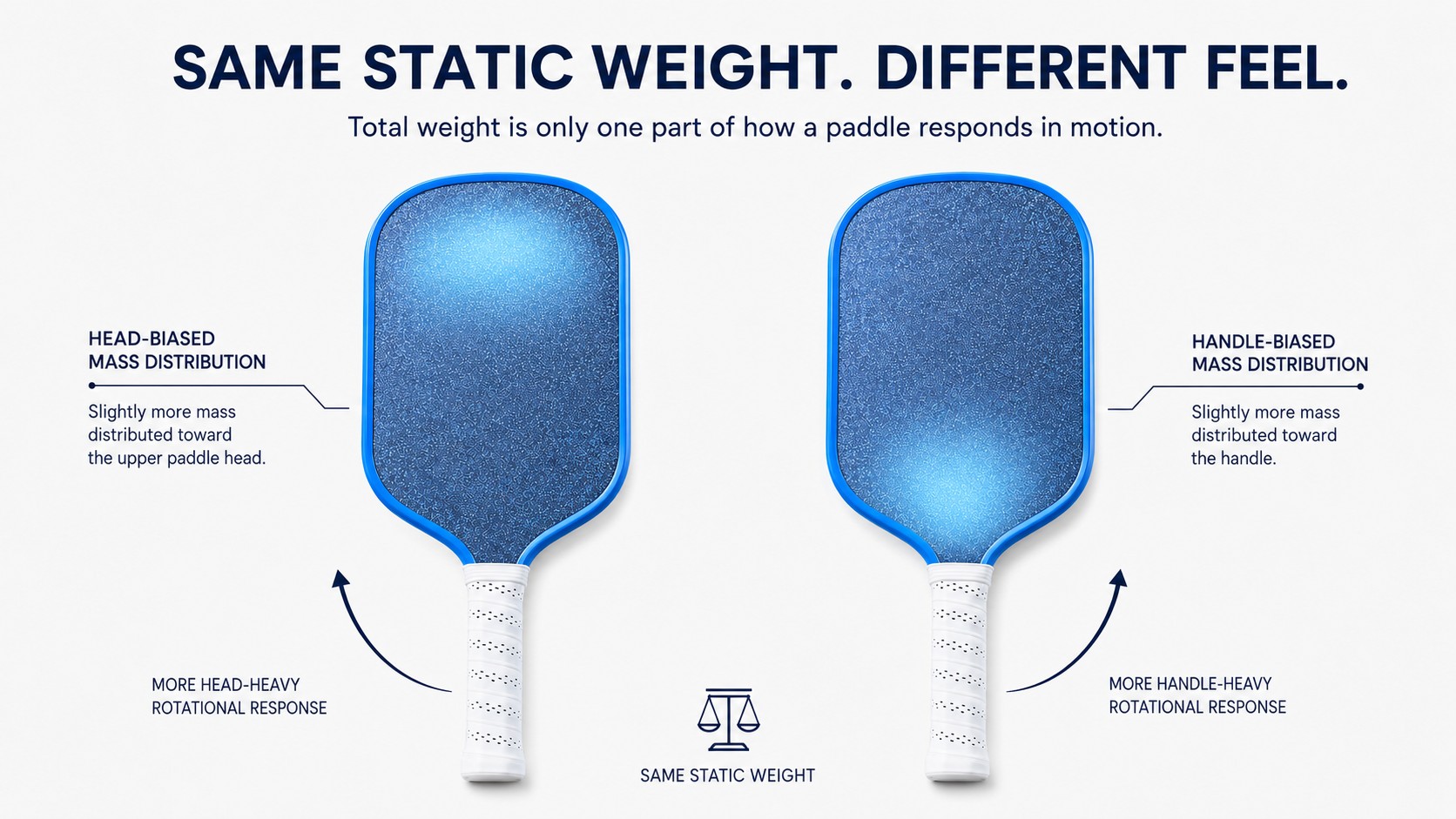
Understand pickleball paddle balance using balance point, head-heavy vs handle-heavy feel, swing weight and twist weight, and learn how added mass changes handling and stability.
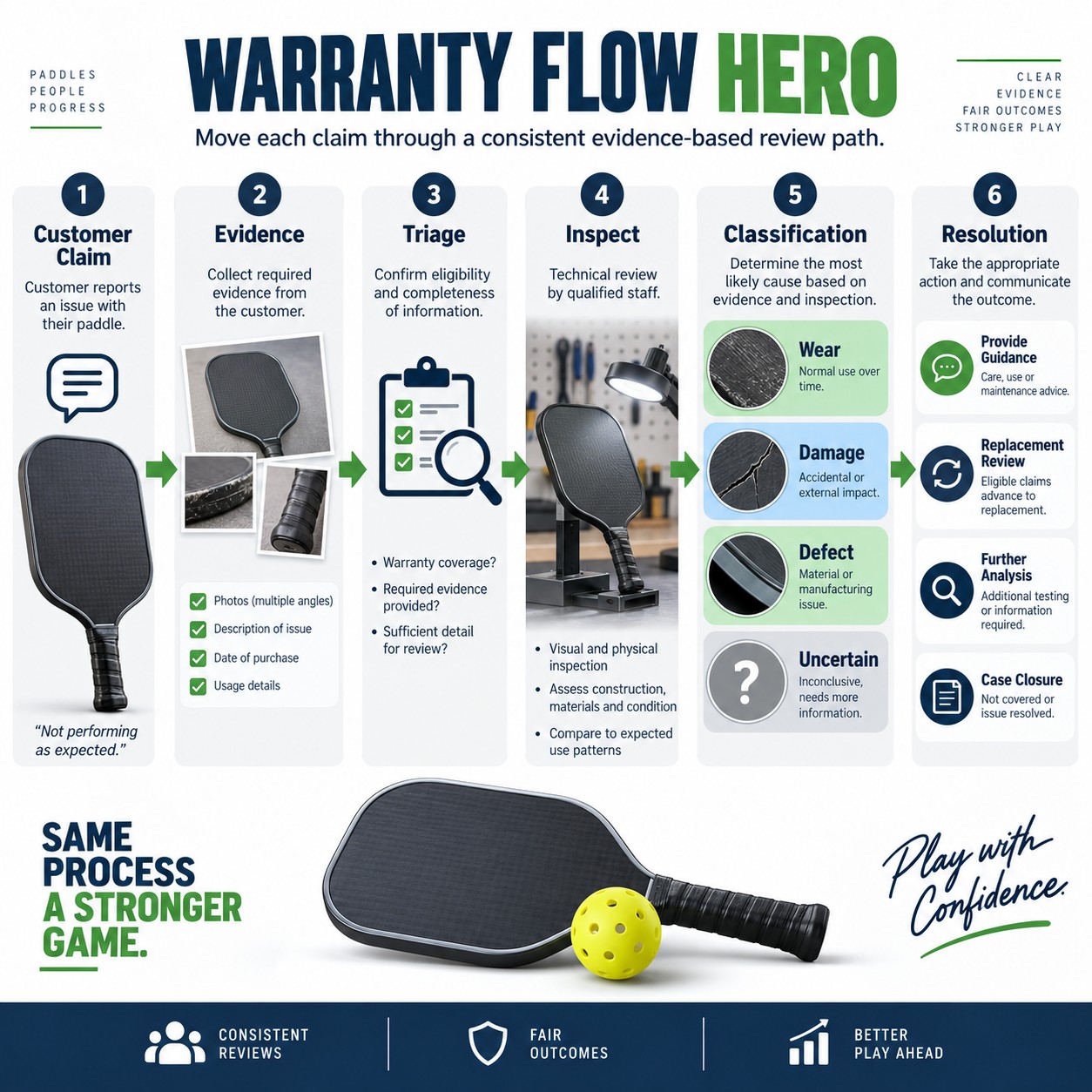
Learn how pickleball brands evaluate warranty claims, distinguish normal wear from manufacturing defects, collect evidence, and improve QC traceability.
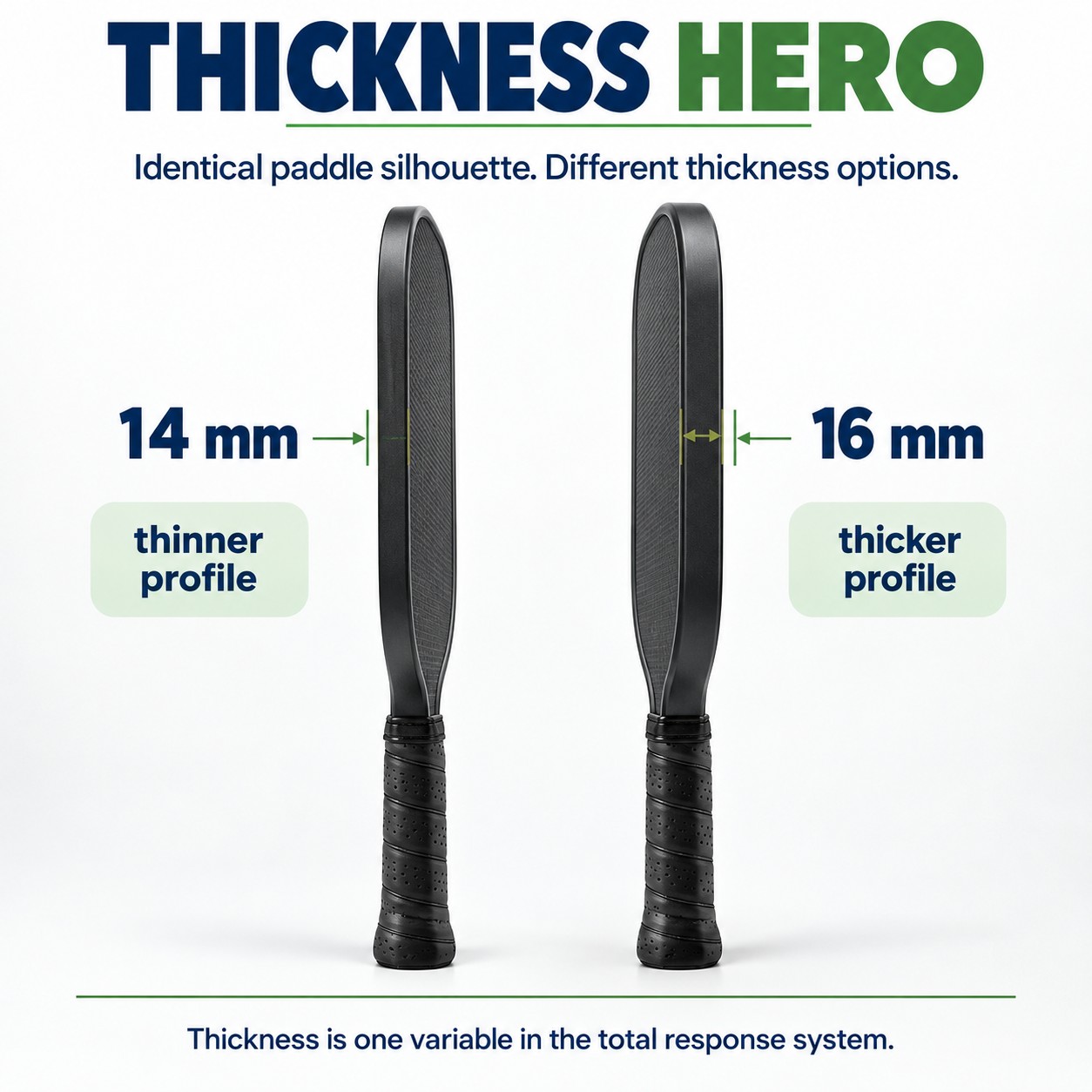
Learn the real difference between 14mm and 16mm pickleball paddles. Discover how thickness affects feel, sweet spot, forgiveness, power, and OEM paddle design.
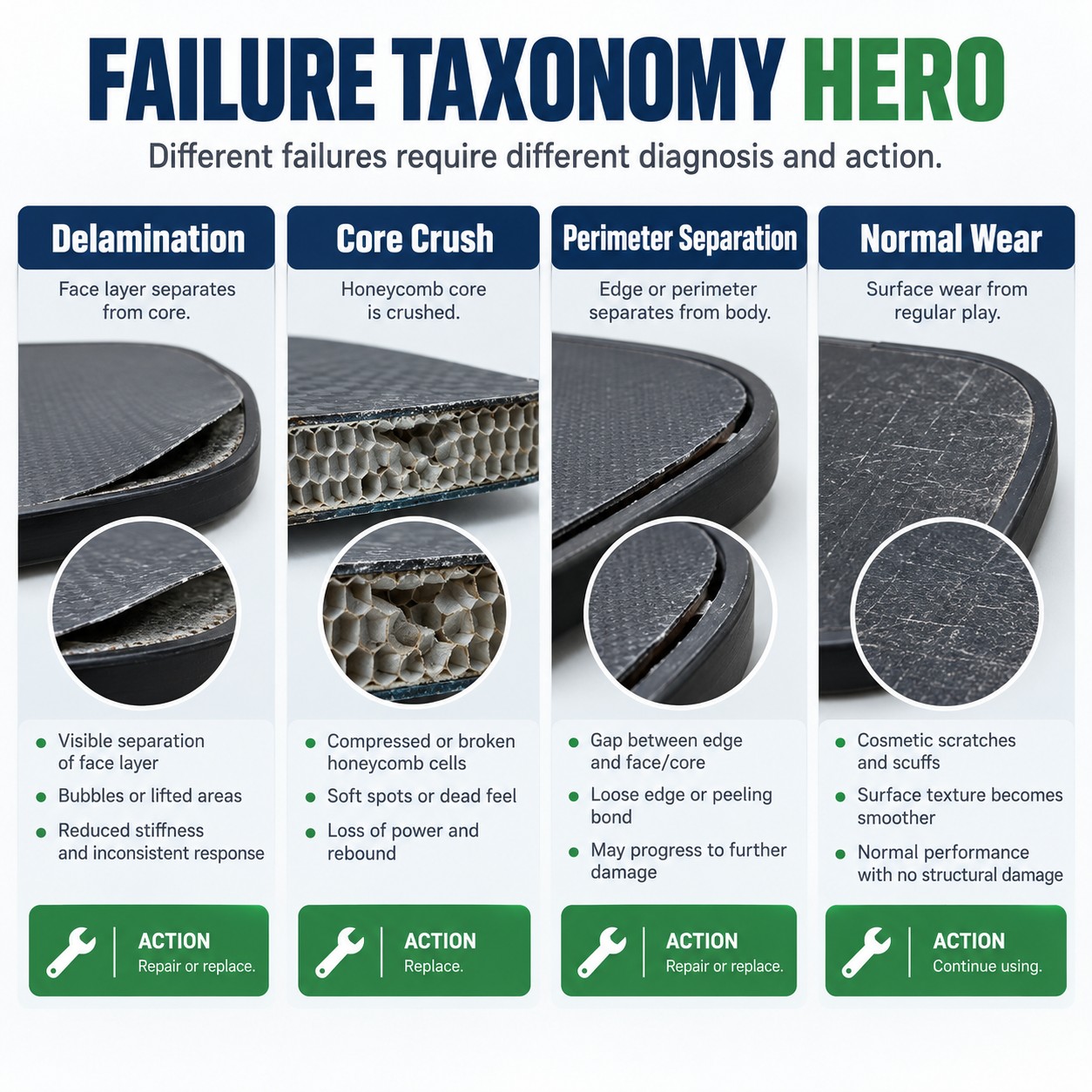
Learn why pickleball paddles delaminate, how core crush and disbonding happen, and how to choose a more durable carbon fiber paddle with stronger bonding, stable core support, and better QC.
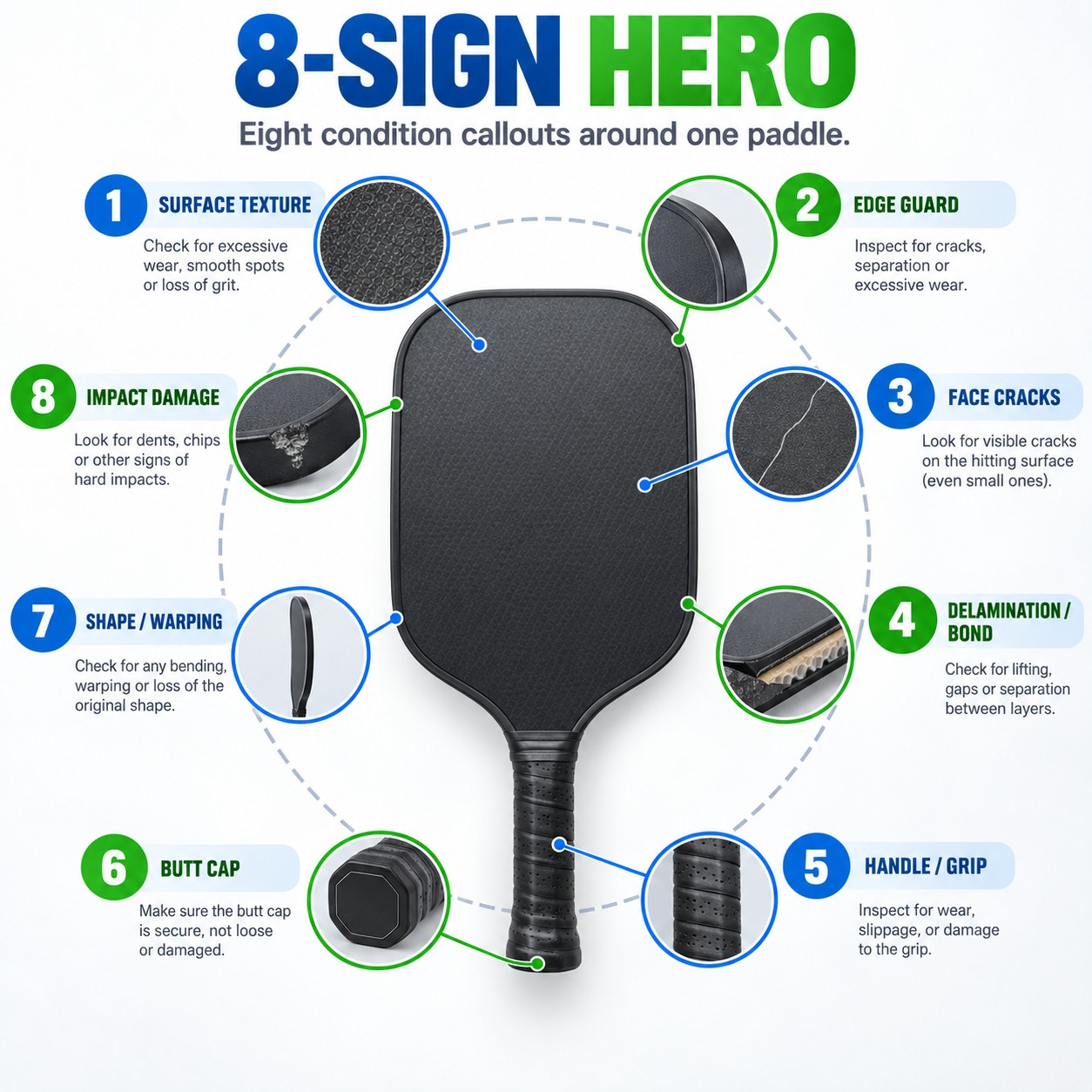
Wondering if it's time to replace your pickleball paddle? Learn the most common signs of paddle wear, how long paddles typically last, simple at-home tests, and when replacing your paddle can improve consistency and performance.
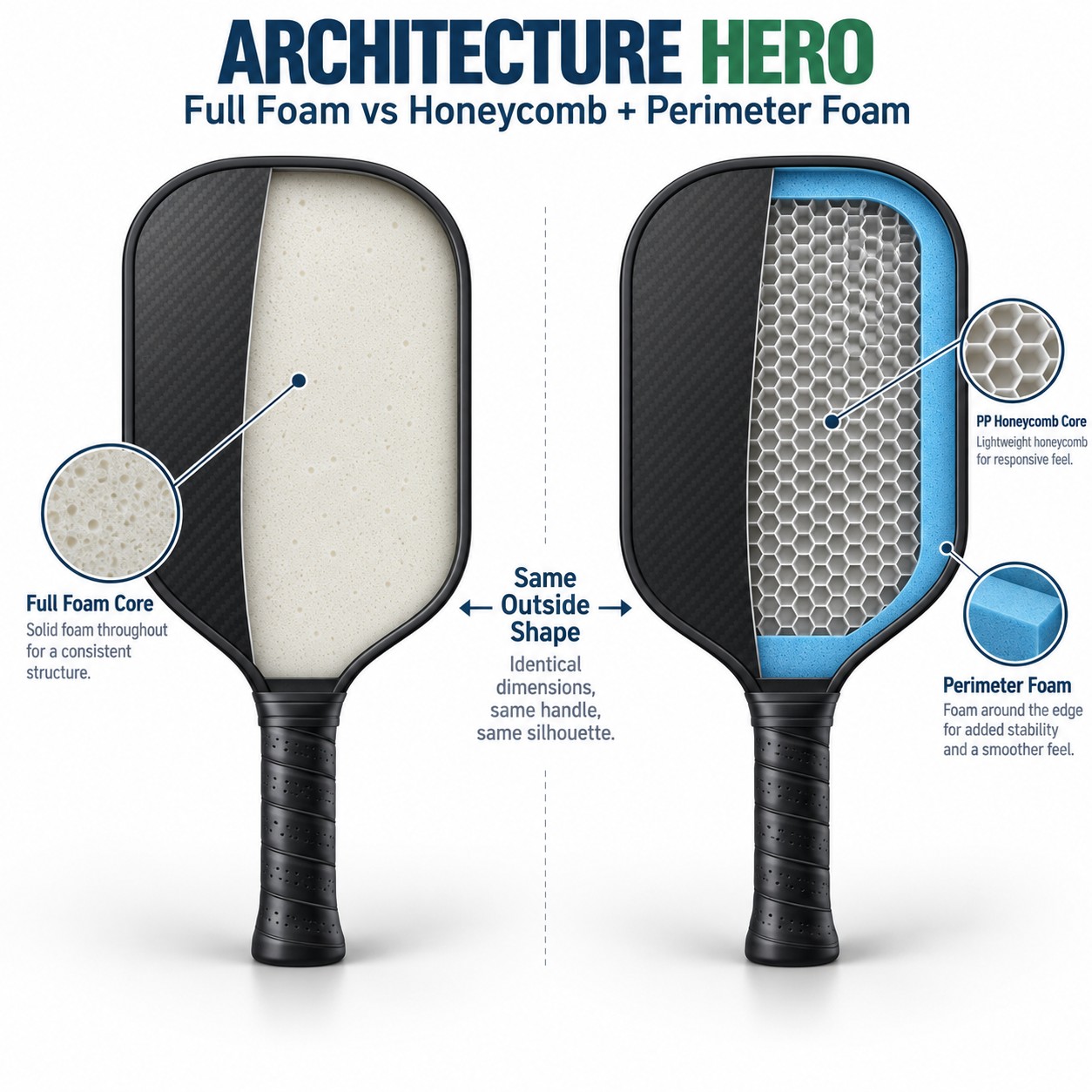
Full Foam Core vs Gen 3 Honeycomb Pickleball Paddles: Construction, Feel, Durability & Manufacturing
Foam vs. Gen 3 pickleball paddles explained. Compare durability, core crush, power, sweet spot size, and long-term performance before you buy.
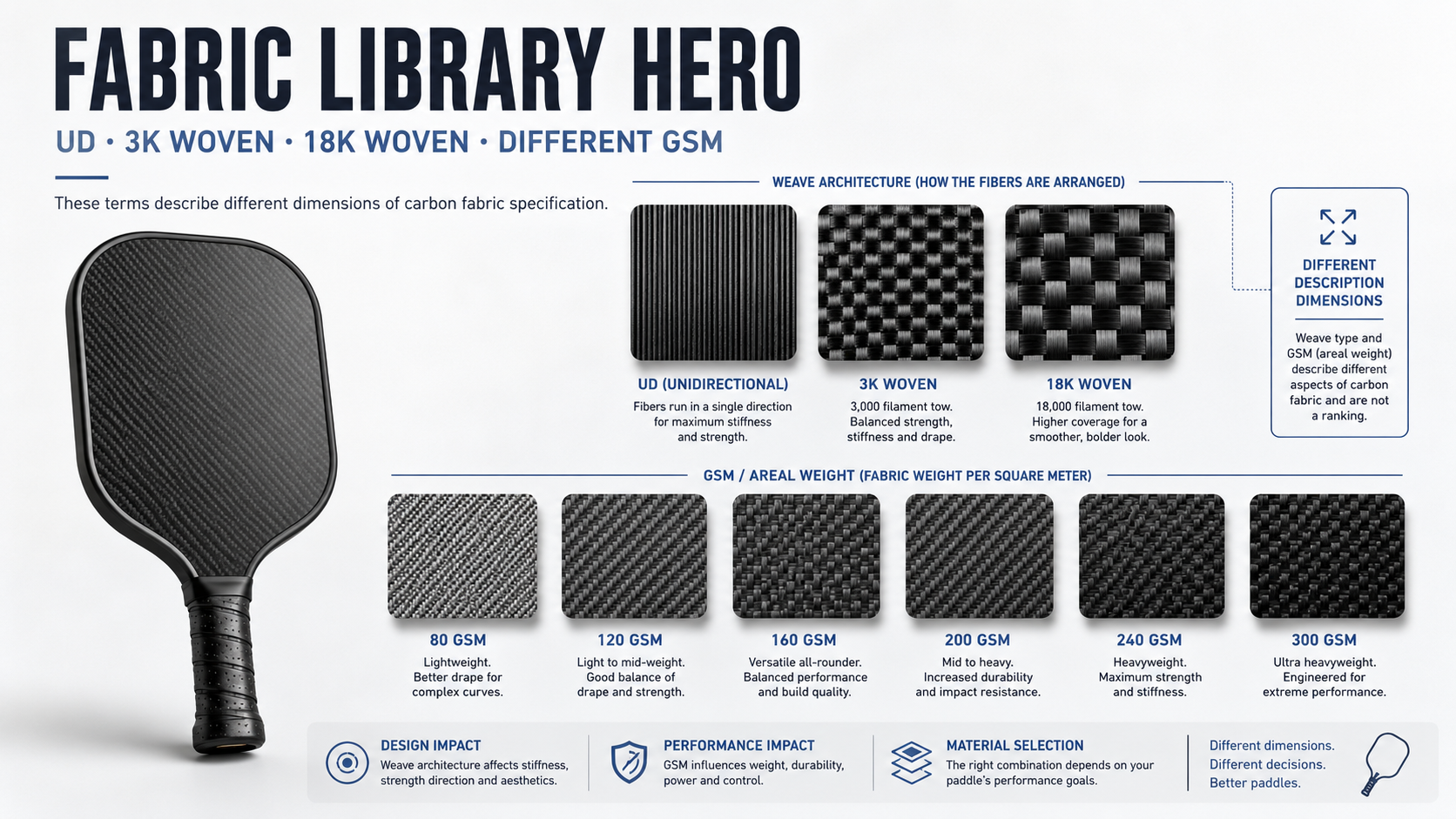
Understand UD carbon, woven fabric, 3K, 18K, GSM, orientation and layup in pickleball paddle faces—and why none of those terms alone defines finished paddle performance.
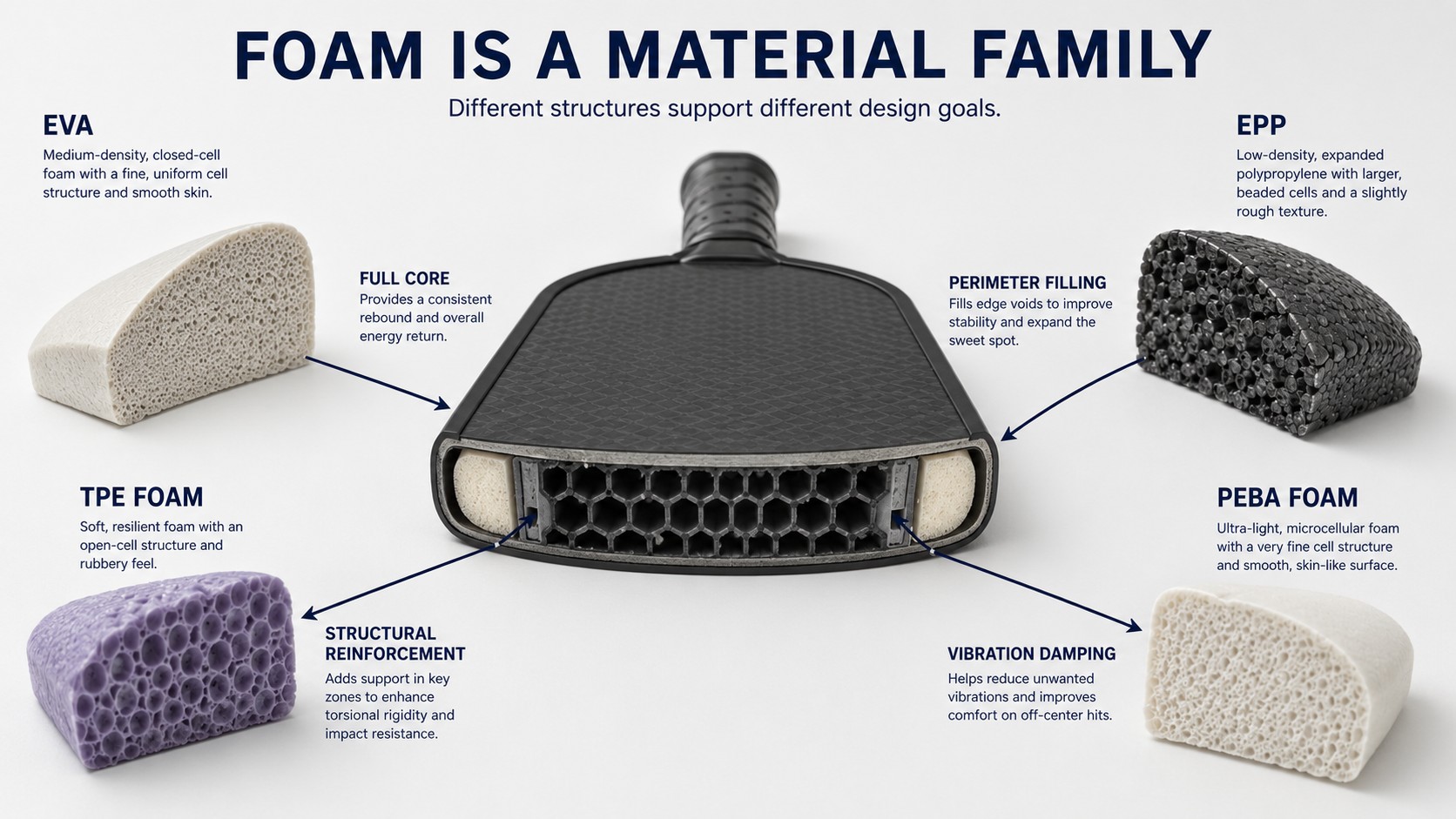
Compare EVA, EPP, TPE-based foams and PEBA for pickleball paddle applications by role, density, hardness, resilience, damping, bonding, process compatibility and fatigue.
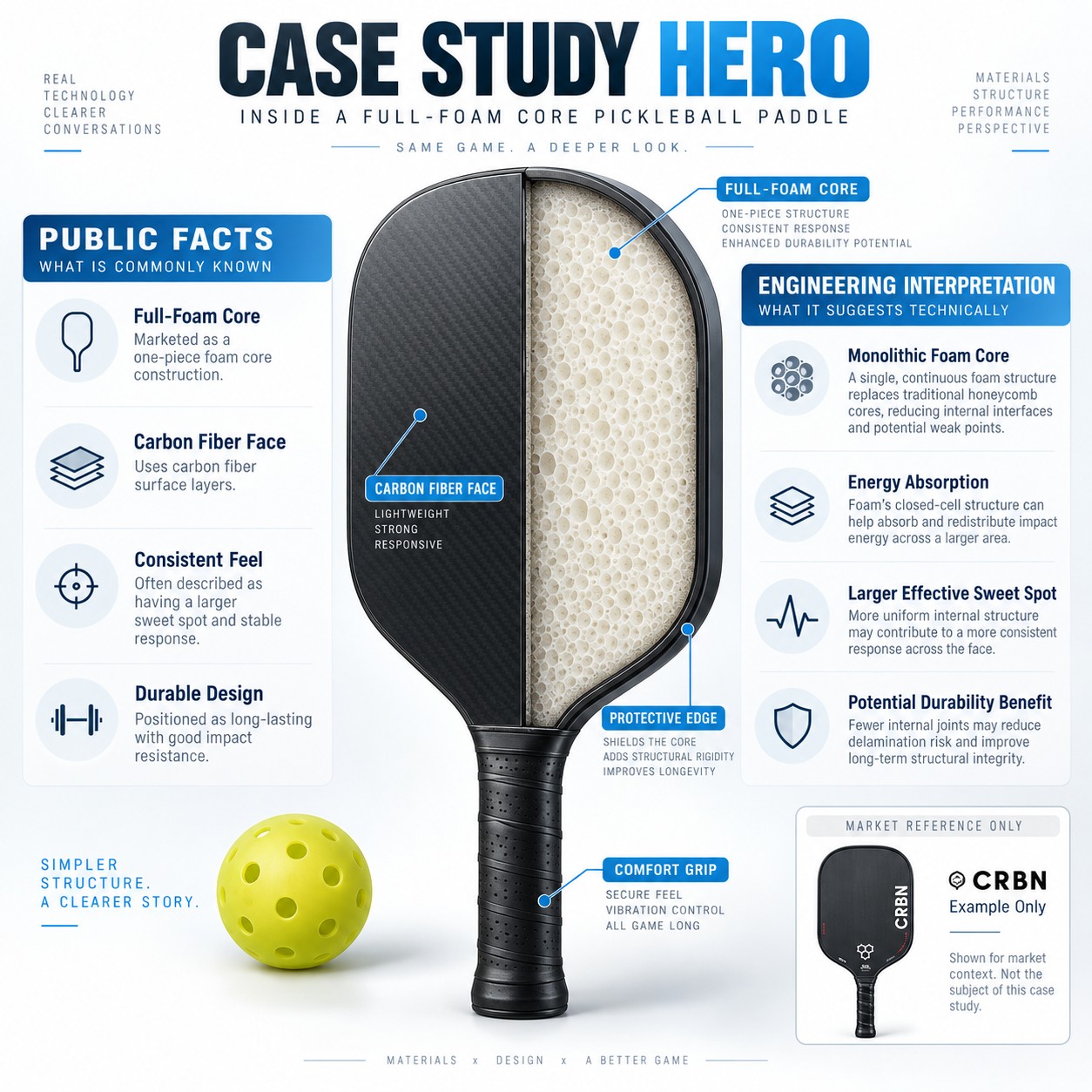
CRBN has introduced the TruFoam Genesis series, the first fully foam-core pickleball paddle to receive USAPA approval. Unlike traditional polymer honeycomb cores, this high-density foam core offers a softer touch, improved control, enhanced spin, and potentially greater durability. With three models (TF1, TF2, TF3) catering to different playstyles, the TruFoam Genesis series presents a new frontier in paddle innovation.
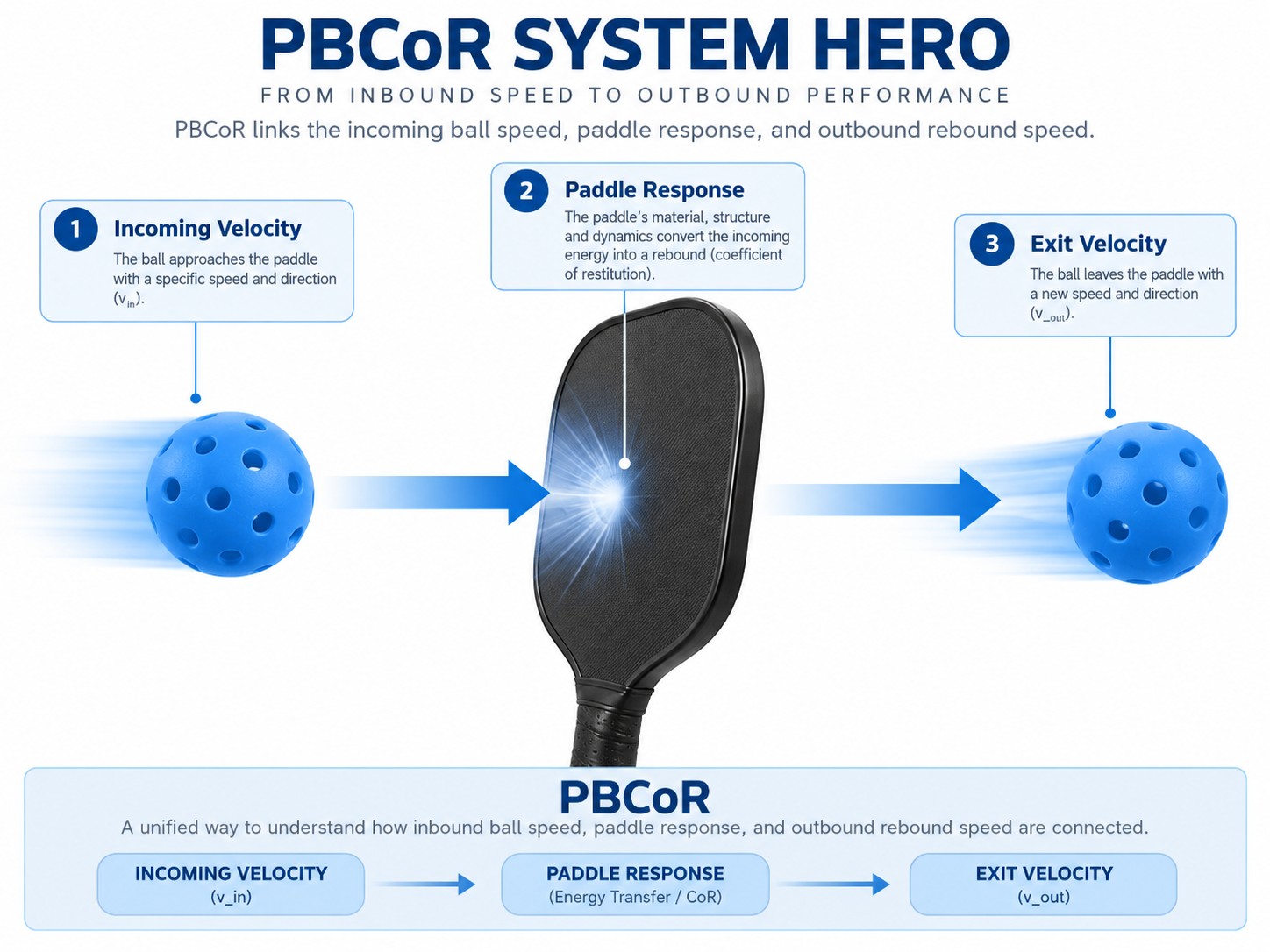
How PBCoR .43 affects pickleball paddle development, lifecycle compliance, production consistency and prototype testing—and why brands need engineering margin instead of targeting the limit.


Xiaxitou No.471, Tongan District, Xiamen, Fujian 361100 – China
Quick links