• Discover how PEBA (Polyether Block Amide), a high-performance elastomer used in elite running shoes, could revolutionize pickleball paddle design with superior rebound, light weight, and comfort.

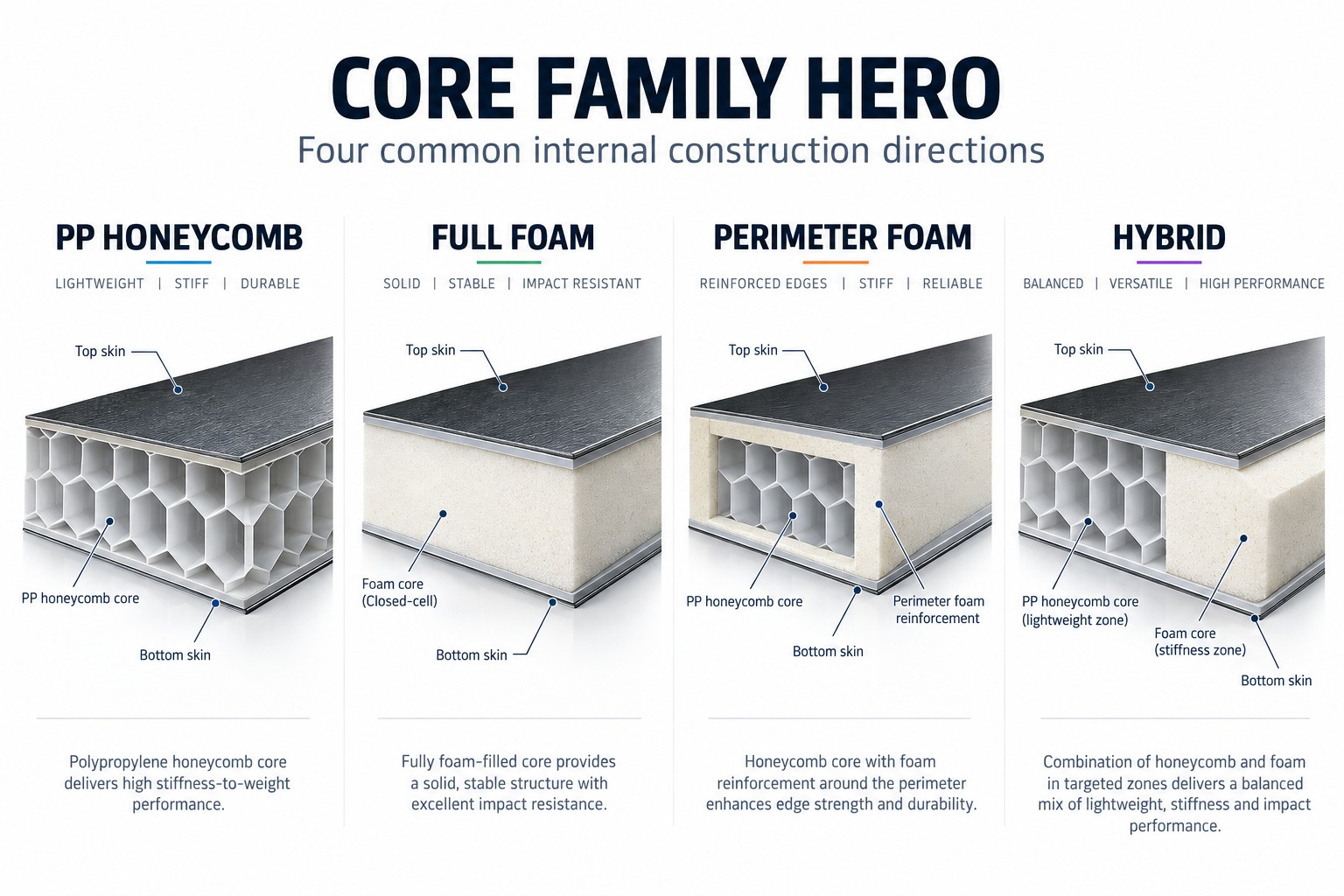
  • CRBN has introduced the TruFoam Genesis series, the first fully foam-core pickleball paddle to receive USAPA approval. Unlike traditional polymer honeycomb cores, this high-density foam core offers a softer touch, improved control, enhanced spin, and potentially greater durability. With three models (TF1, TF2, TF3) catering to different playstyles, the TruFoam Genesis series presents a new frontier in paddle innovation.

  • As the global pickleball industry grows, the introduction of the Paddle-Ball Coefficient of Restitution (PBCoR) regulations has reshaped paddle design and manufacturing standards. These regulations aim to control paddle power output to ensure fairness and safety in competition. Manufacturers face both technical and financial challenges, particularly those relying on high-power paddles. However, this shift also promotes innovation, encouraging companies to focus on control and spin in paddle design. This article explores the impact of PBCoR on the industry and how manufacturers are adapting to this new regulatory landscape.

  • This article analyzes the impact of PP honeycomb cores on paddle quality and price, focusing on two key factors: material choice (virgin PP vs. recycled PP) and honeycomb density. Virgin PP offers greater elasticity and durability, while high-density cores improve stability and lifespan. Through data comparisons, the article explains why premium paddles are priced higher and highlights the critical role of quality materials in ensuring top paddle performance.

  • This blog delves into the concept of twist weight in pickleball paddles, explaining its importance in paddle performance. Twist weight measures the resistance to twisting during off-center hits, affecting stability and shot accuracy. The article covers the definition, factors influencing twist weight, advantages and disadvantages of high and low twist weights, methods to increase twist weight, suitable player profiles, and how to test for the appropriate twist weight.

  • This blog explains the concepts of balance point, swing weight, and twist weight in pickleball paddles. Readers will learn what these terms mean, why they are important, and how to measure them to choose the right paddle for their playing style.

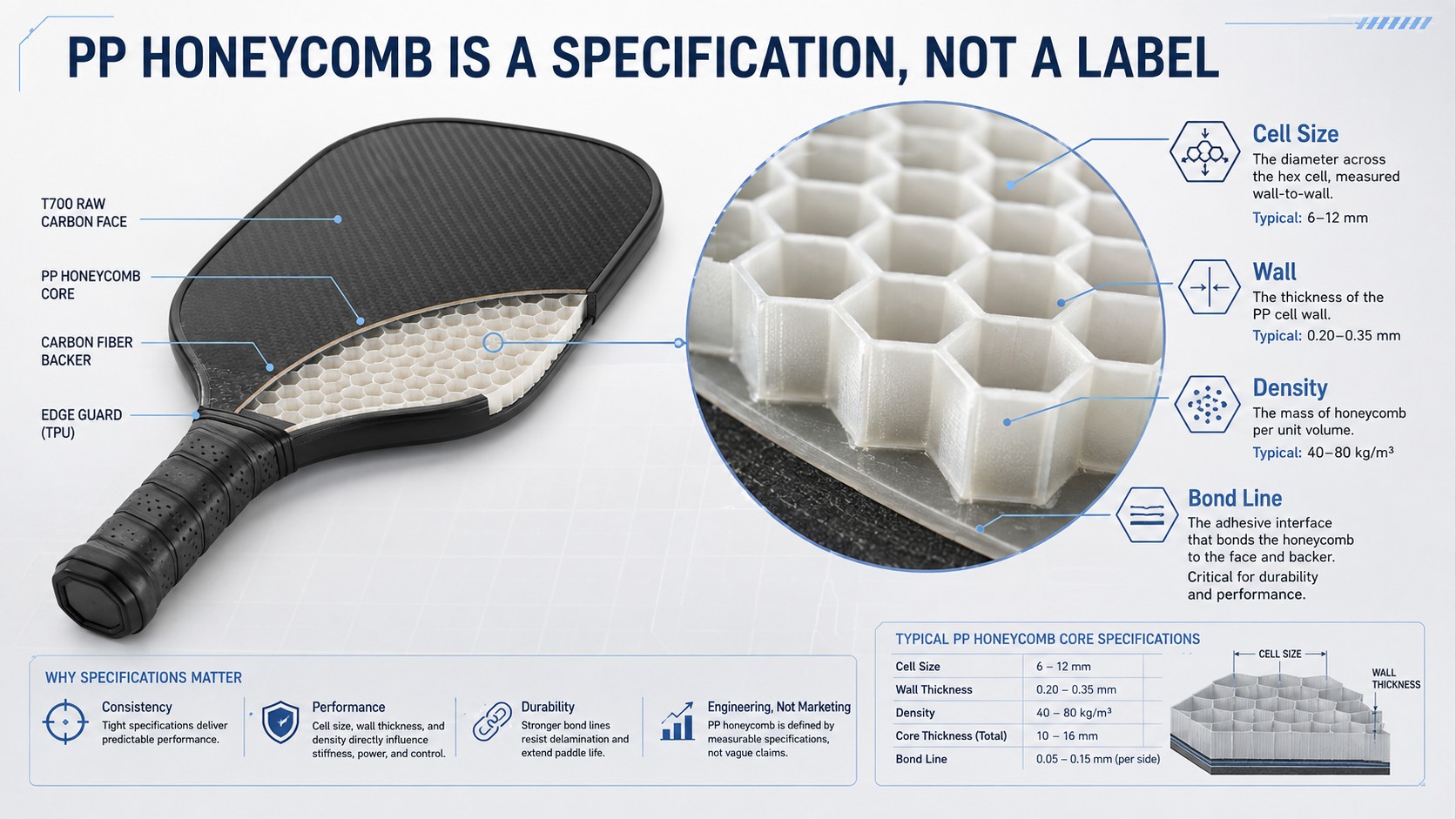
  • This blog provides a detailed guide to the PP honeycomb core used in pickleball paddles, covering cell size, core thickness, and material properties. Readers will learn how these factors impact paddle performance and how to choose the right paddle for their playing style.

  • This blog provides an in-depth look at the core materials used in pickleball paddles, including Polypropylene (PP) Honeycomb, Aramid Honeycomb, Aluminum Honeycomb, and EVA Core. It also explores specialized cores like composite cores, PP foam-filled honeycomb, and SSTCore. Readers will learn about the advantages and disadvantages of each material, helping them make informed decisions about their paddle choices.

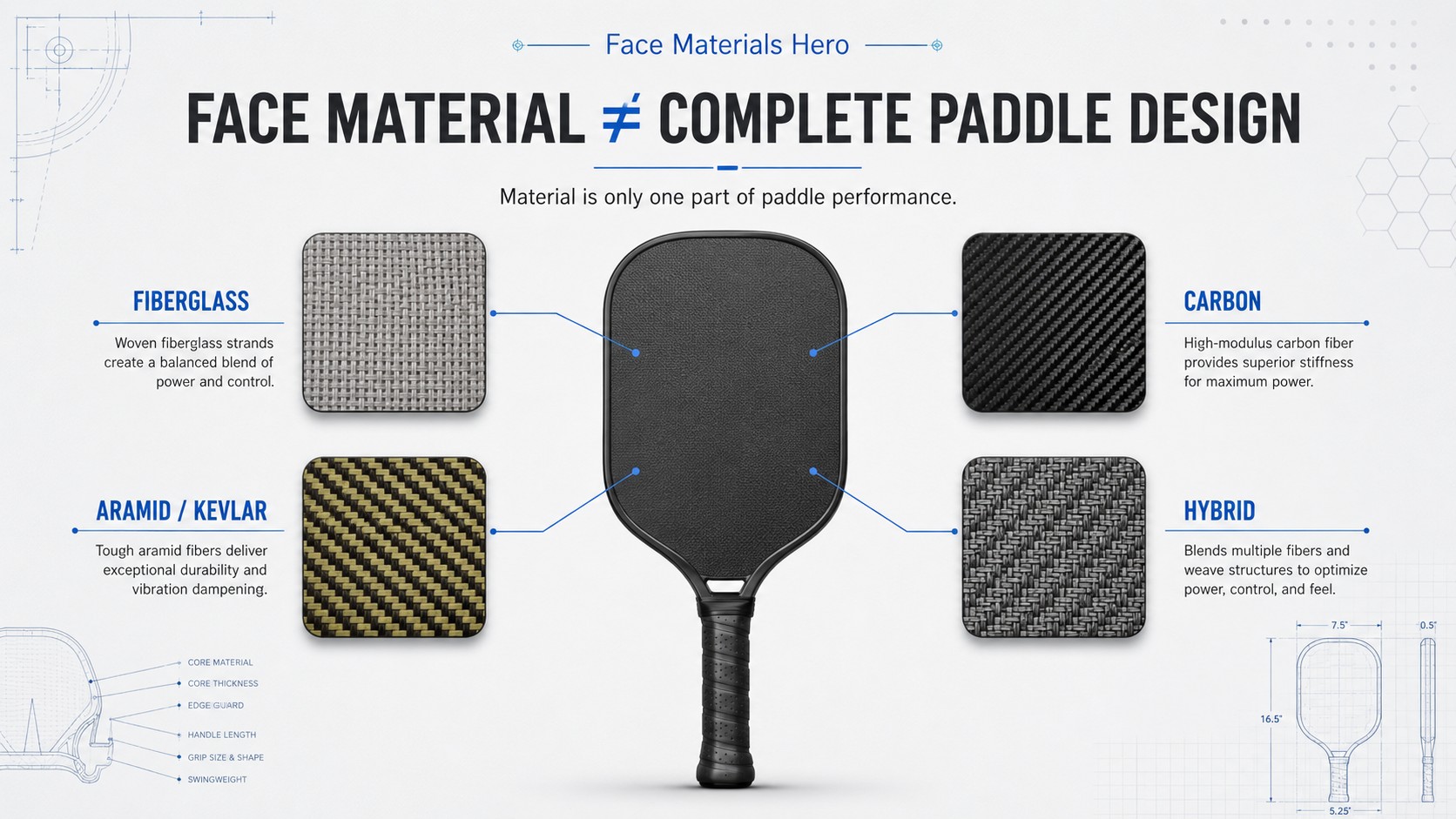
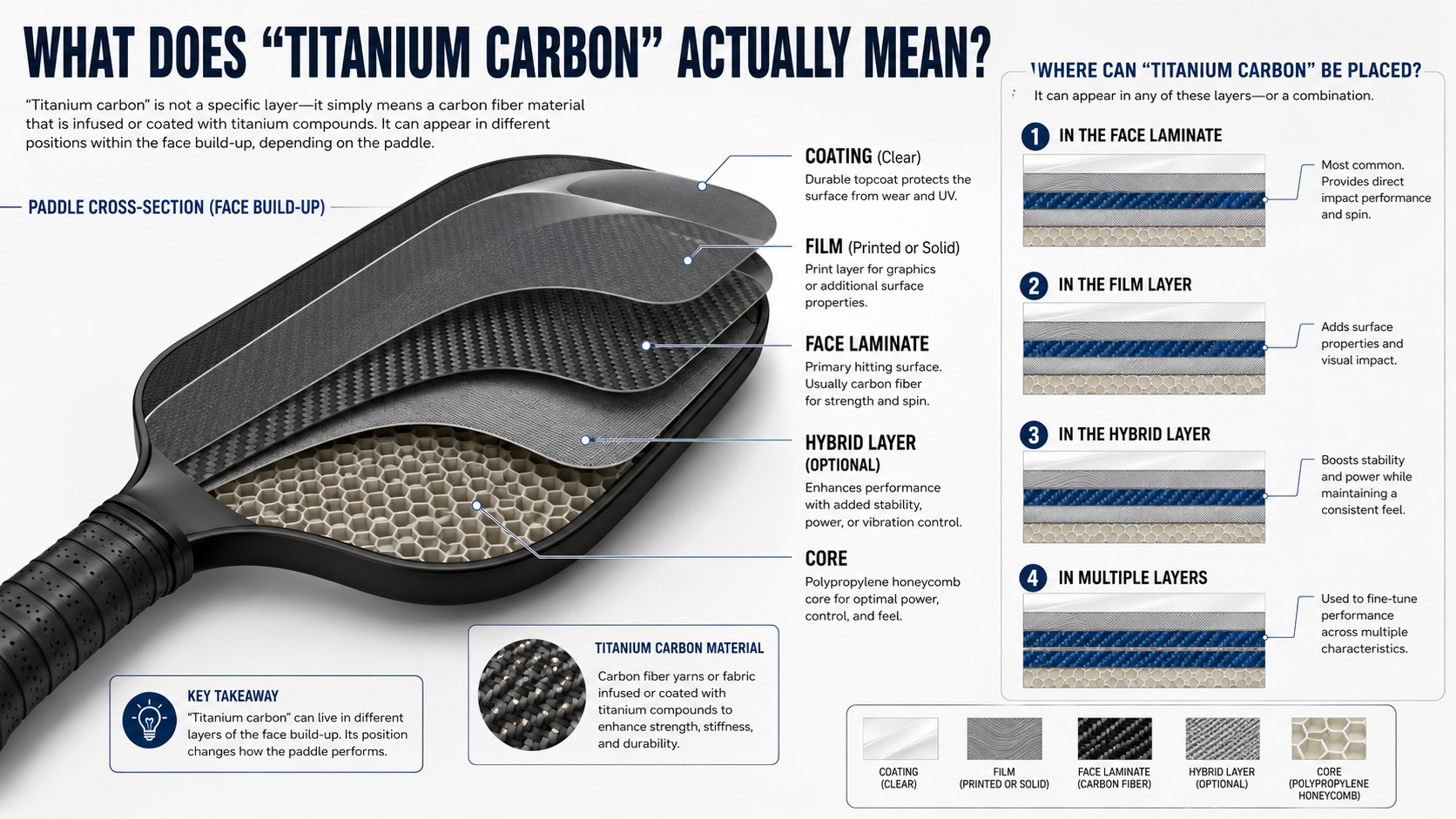
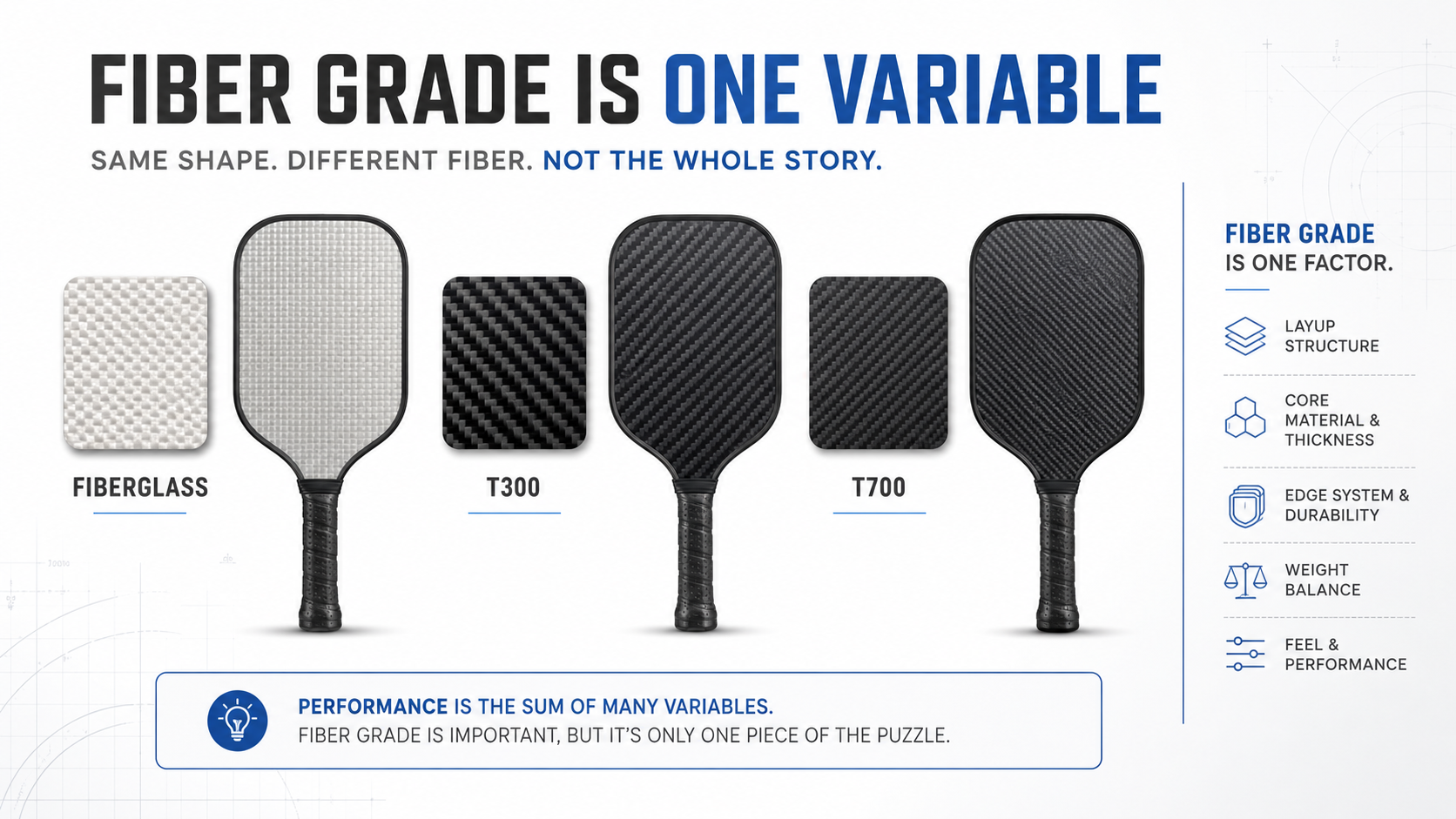
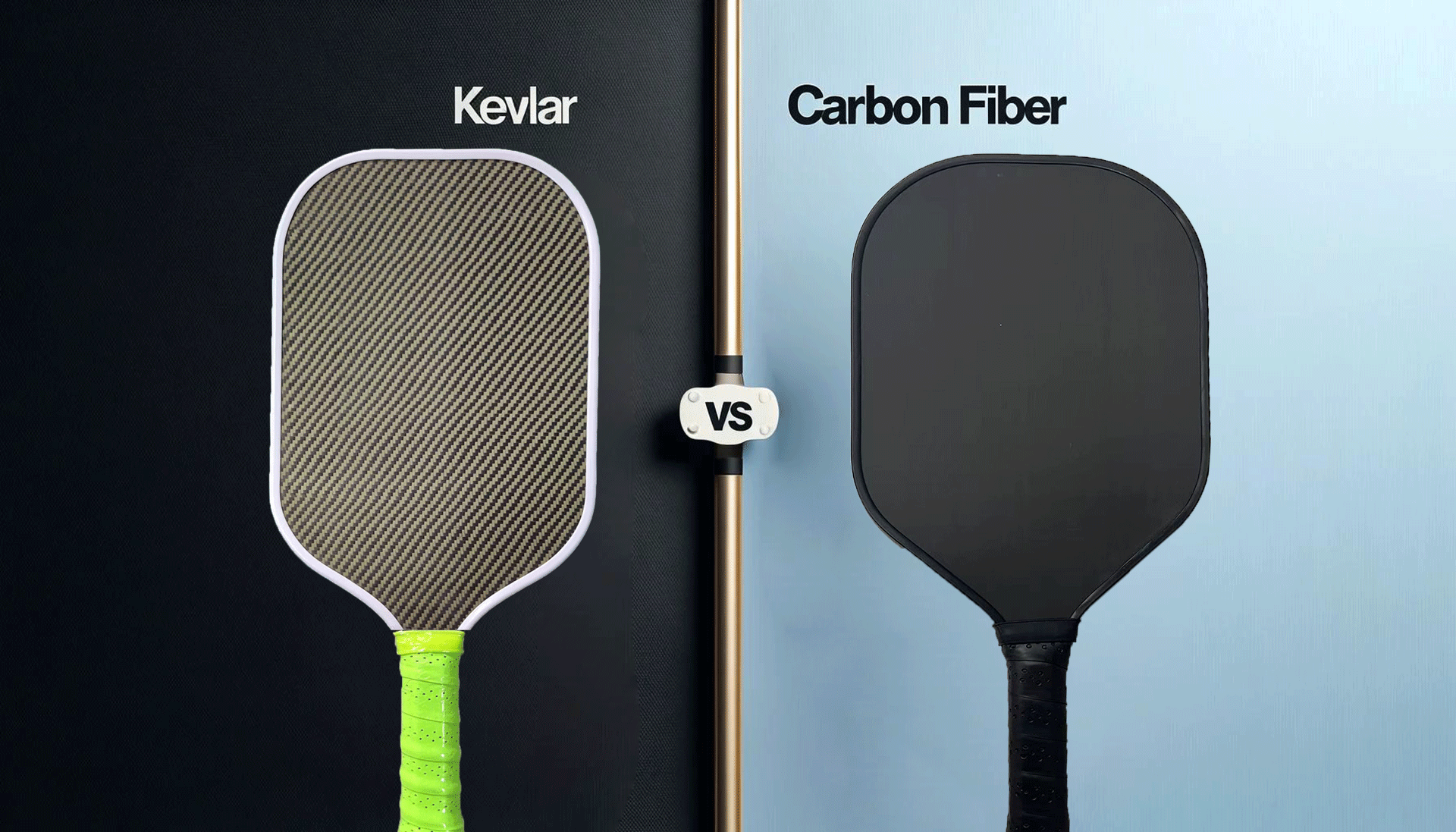
  • This blog provides a comprehensive guide to the various materials used in the production of pickleball paddles. It covers fiberglass, T300 carbon fiber, T700 carbon fiber, T800 carbon fiber, 3K carbon fiber, 18K carbon fiber, Kevlar fiber, hemp fiber, and titanium fiber. The article explains each material's strength, durability, approximate cost, and suitable users, offering readers valuable insights into how these materials impact paddle performance.