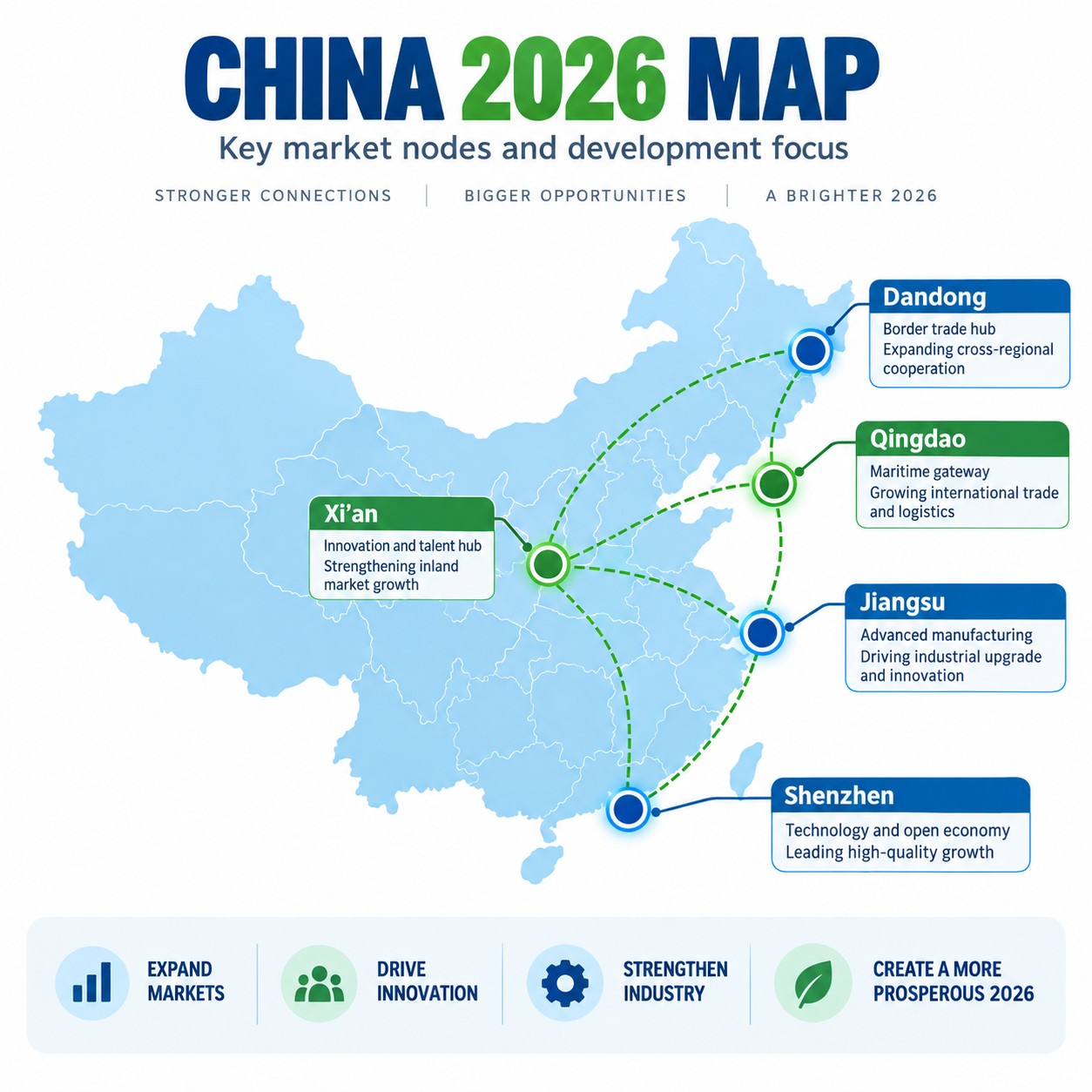
China's pickleball journey has reached an important milestone. With its debut at the Sichuan Provincial Games, the sport is evolving from a grassroots recreational activity into an officially recognized competitive discipline. This transformation reflects the rapid growth of pickleball across China and signals new opportunities for players, clubs, brands, and equipment manufacturers worldwide.
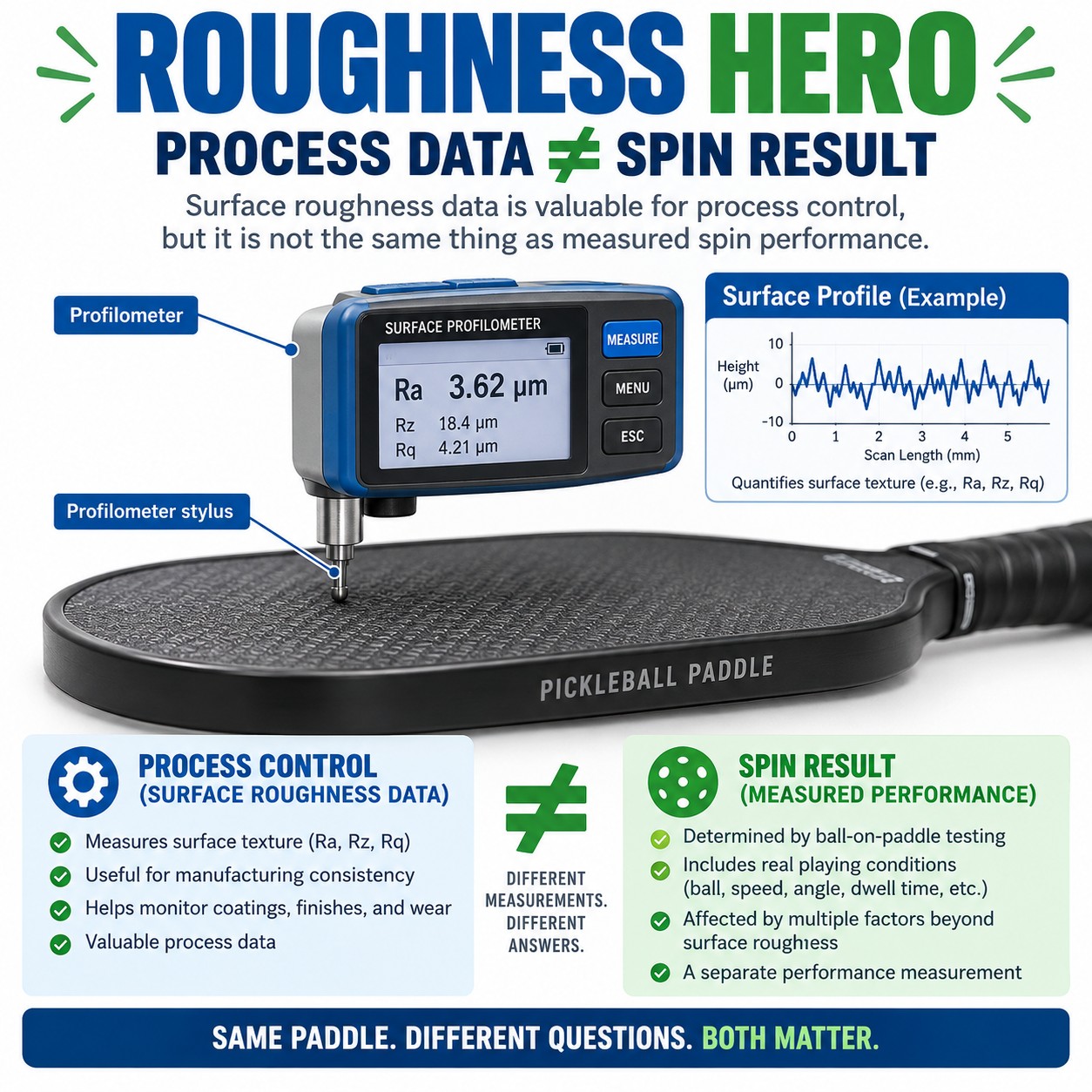
Independent surface tests can be useful for comparing paddle texture, but they are not the same as governing-body certification. This article explains sampling limits, instrument differences, wear effects, and why USA Pickleball’s move toward direct spin-rate measurement changes how brands should interpret roughness data.
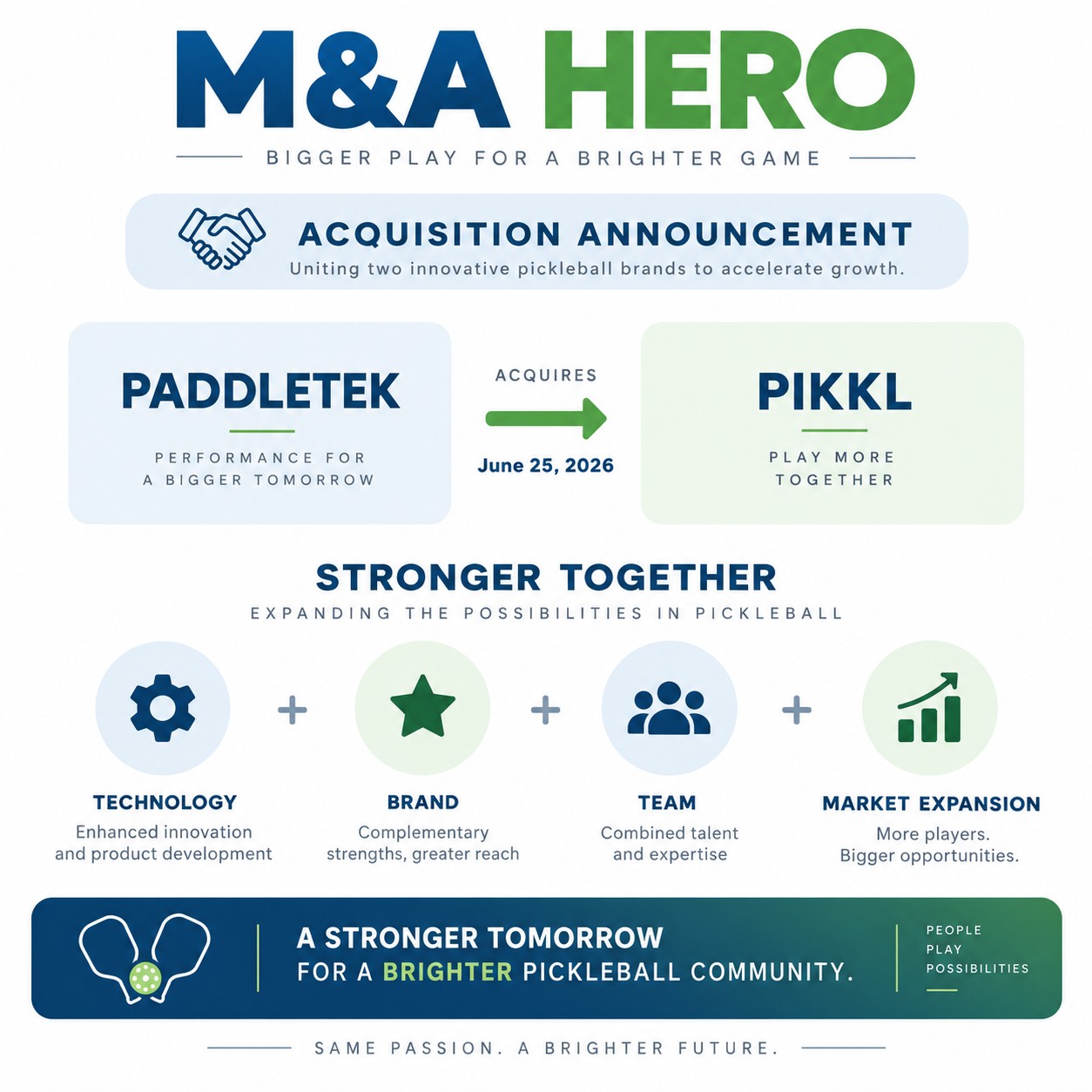
Paddletek's acquisition of PIKKL is more than just another business deal—it reflects a major shift in the pickleball paddle industry. As leading brands expand through acquisitions, the market is entering a new phase of consolidation, technology integration, and stronger competition. This article explores what the deal means for players, emerging paddle brands, and manufacturers, while examining why professional athletes can switch paddles without sacrificing performance and why manufacturing innovation matters more than brand logos.
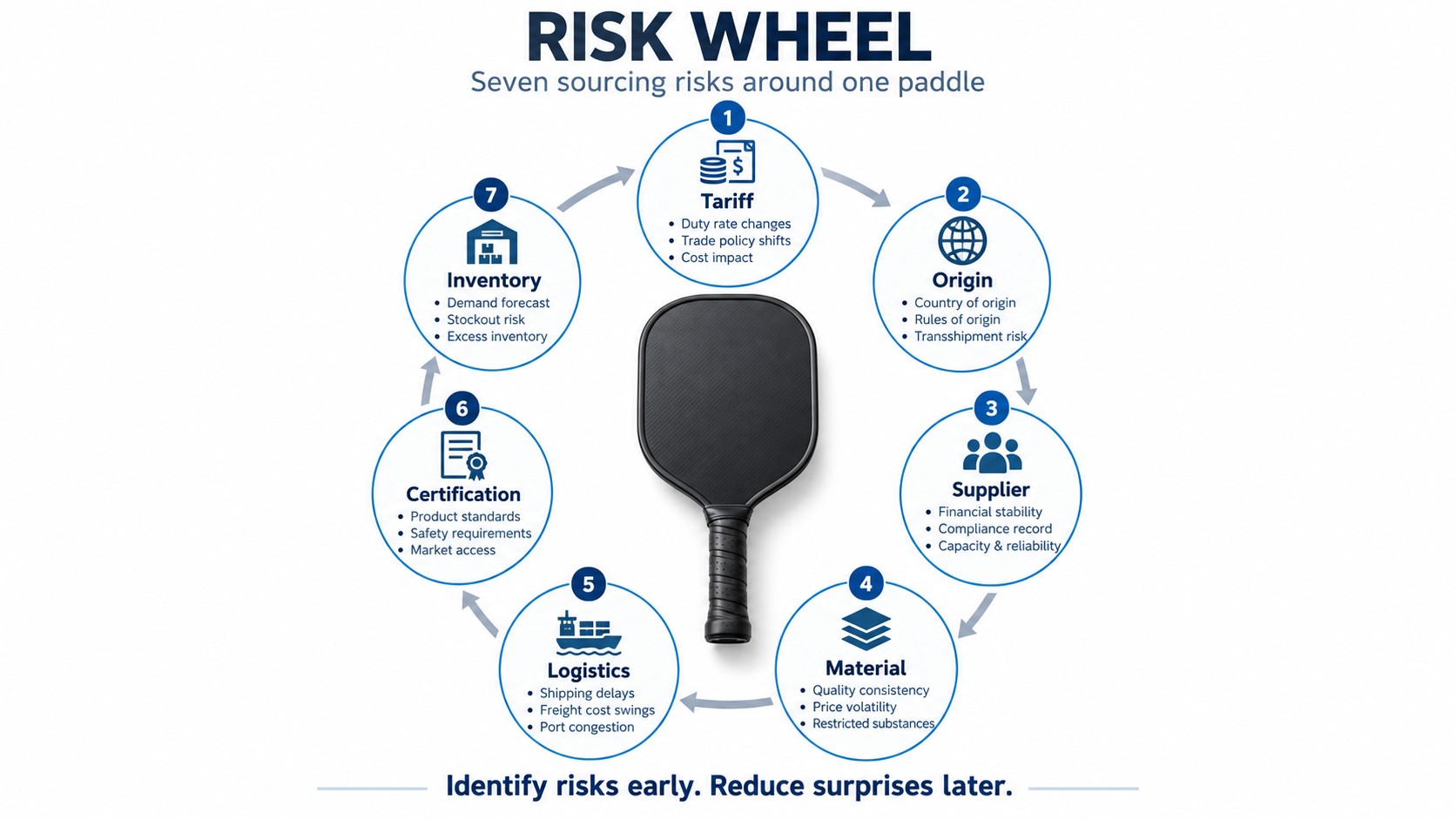
A 2026 supply-chain risk framework for pickleball brands covering tariff exposure, country of origin, supplier capability, diversification, inventory and launch resilience.
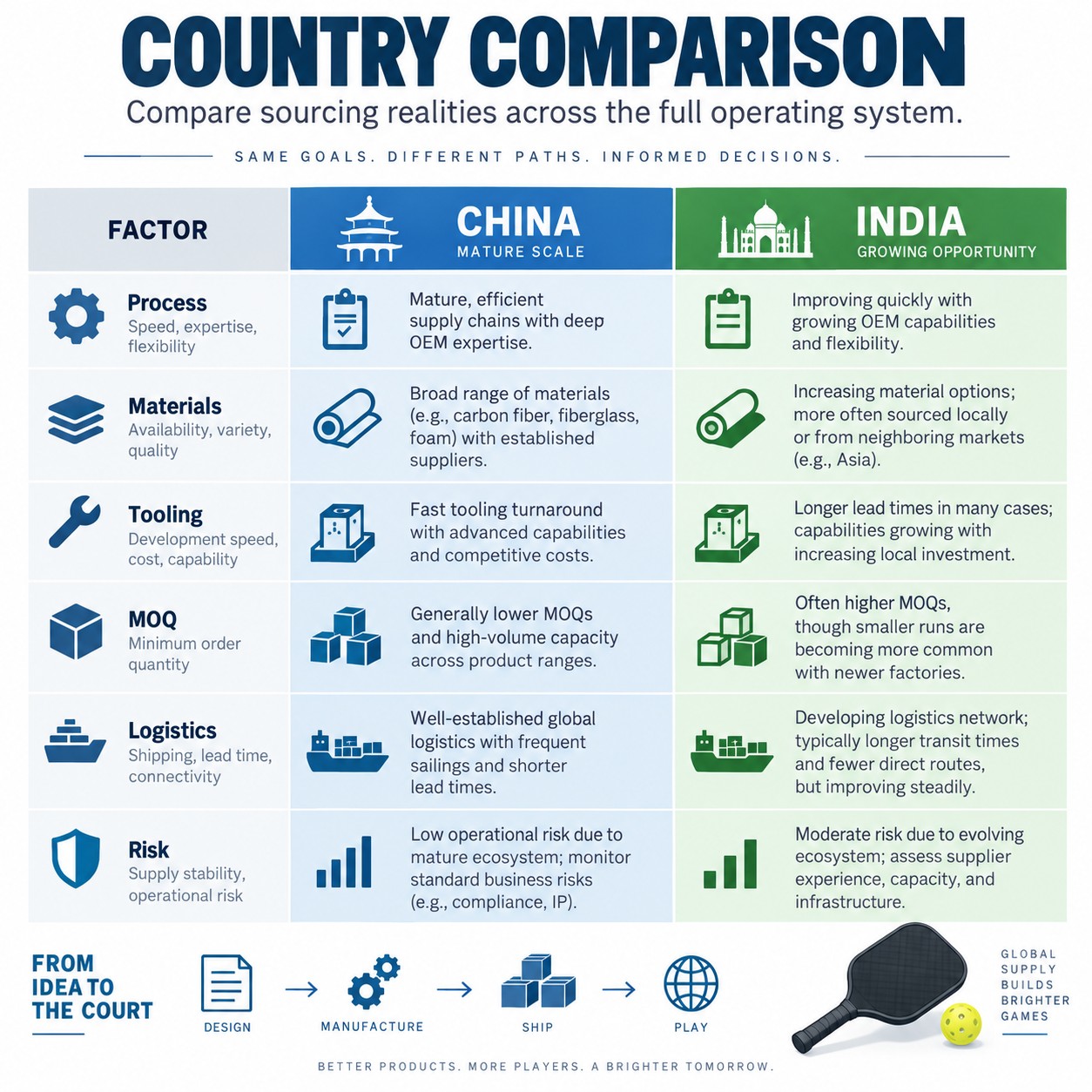
For Western brands sourcing pickleball paddles, the choice between China and India is more than just about cost. It's a fundamental strategic decision between unparalleled efficiency and promising potential. This article breaks down the core differences in cost structures, technical capabilities, quality control, and scalability, providing a clear framework for making an informed sourcing decision.
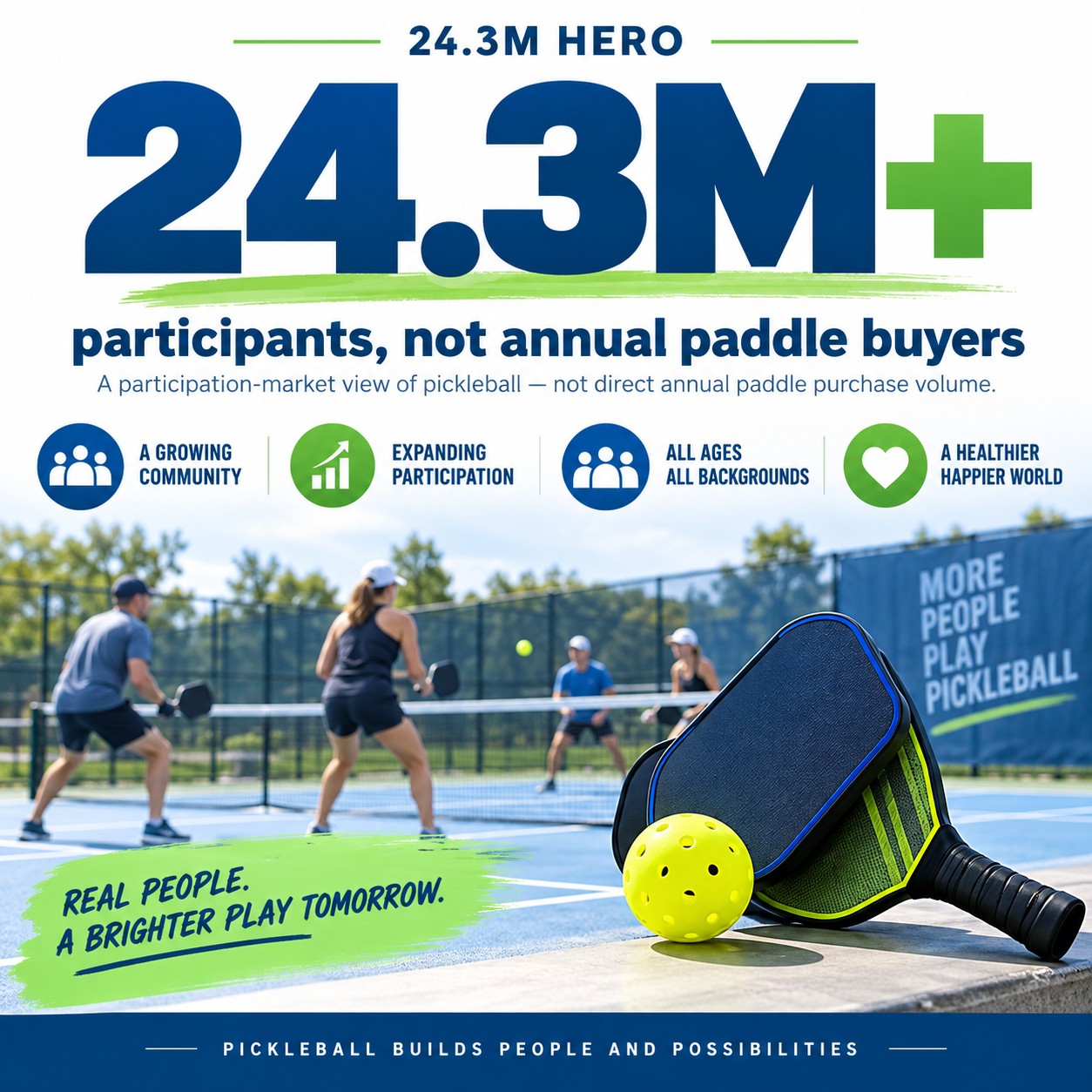
SFIA reports 24.3 million U.S. pickleball participants in 2025. This 2026 analysis translates the latest participation data into product implications for paddle brands, retailers, distributors, and OEM manufacturers—from beginner equipment and women’s participation to youth growth and core-player replacement demand.
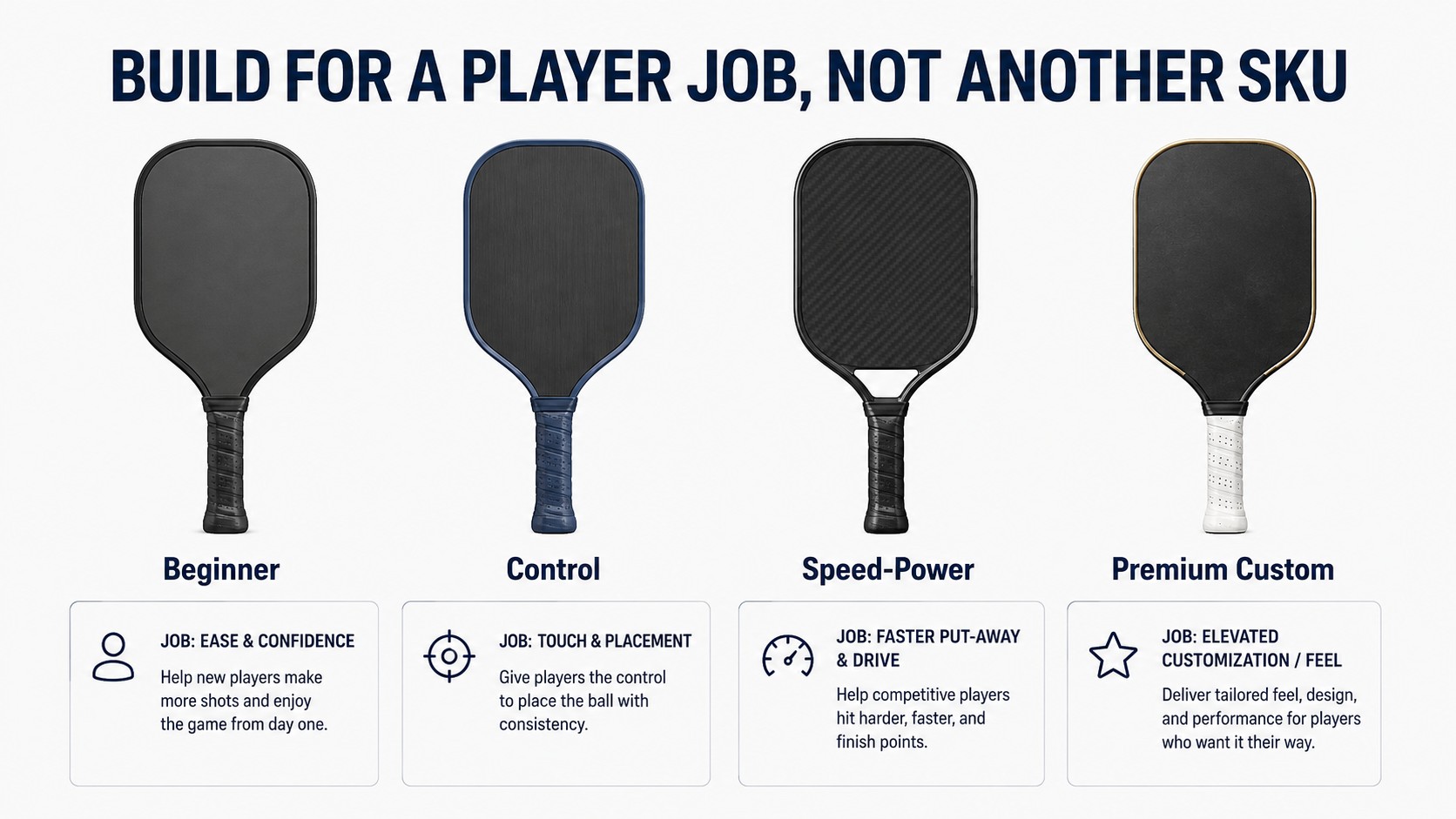
A 2026 pickleball equipment market outlook for brands covering U.S. participation, international market maturity, product segmentation, regulation, channels and adjacent category expansion.
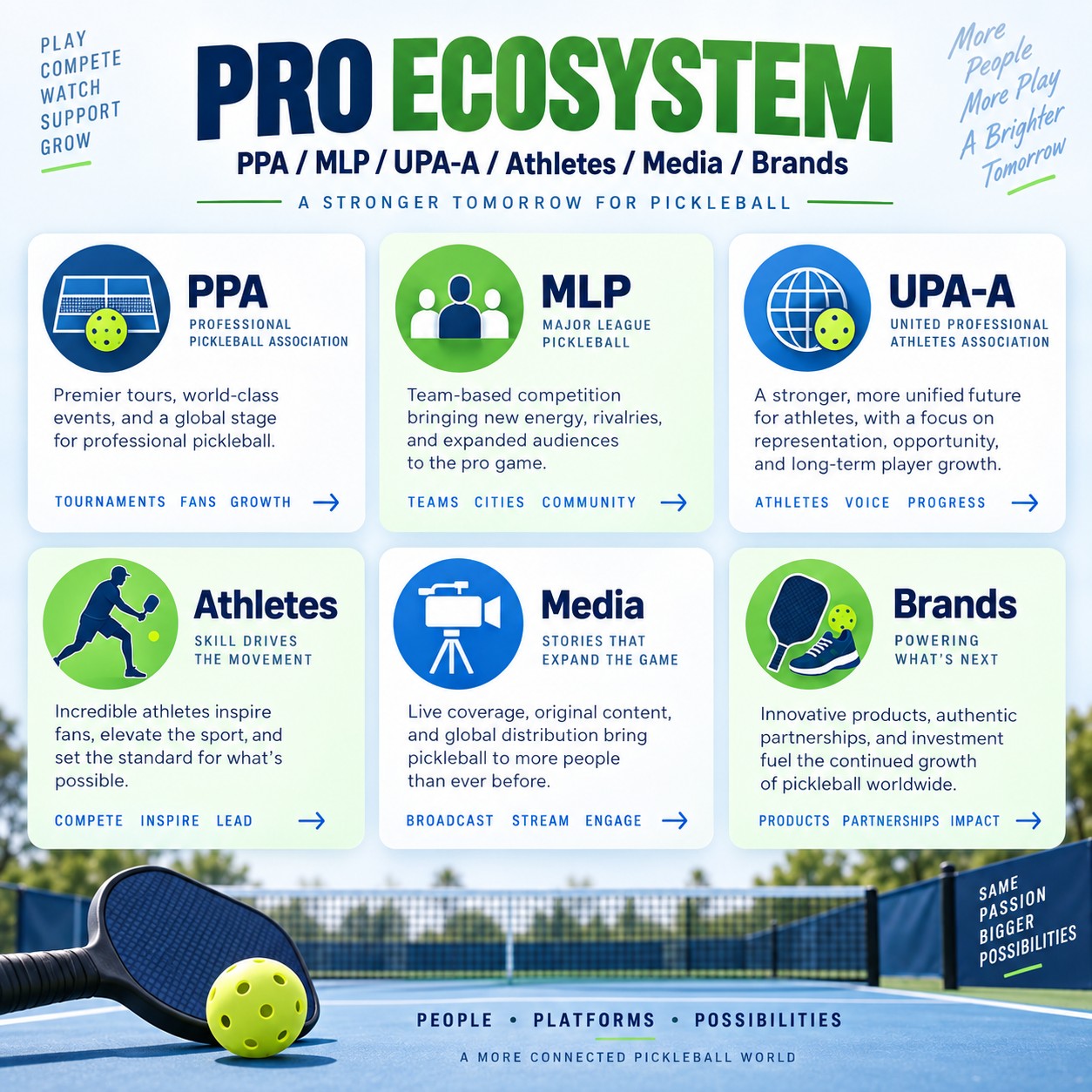
Professional pickleball is experiencing rapid growth, driven by celebrity investments and league expansion. However, it faces key challenges, including a weak viewer base, unsustainable player contracts, and high operating costs. To ensure long-term success, the sport must enhance match appeal, reform salary structures, and build a strong cultural identity. Without addressing these issues, pickleball’s current boom may be short-lived.
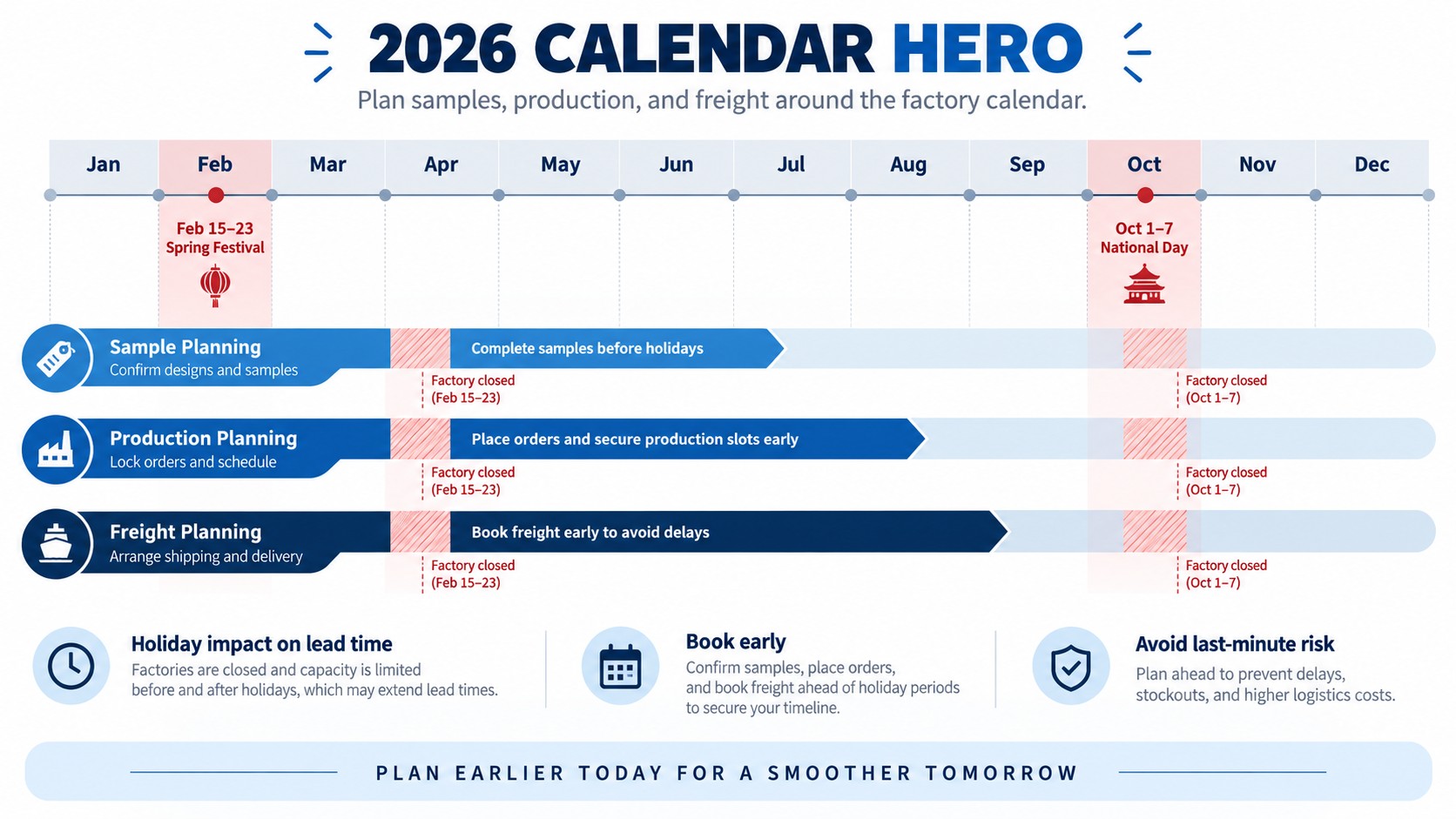
Plan pickleball sourcing around Chinese New Year, National Day, sampling, certification, packaging and logistics buffers with a practical 2026–2027 sourcing calendar.
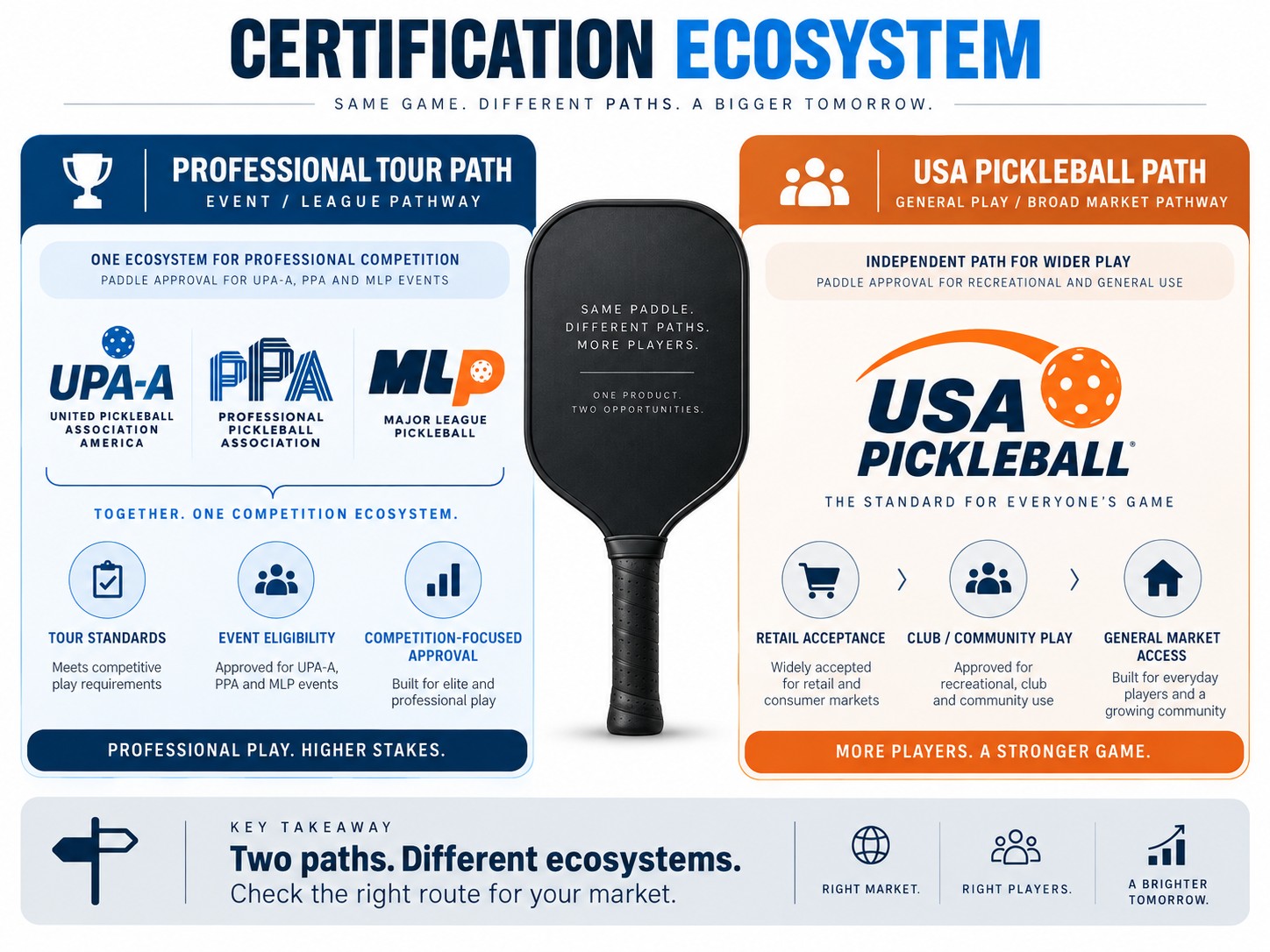
A complete 2026 guide to UPA-A paddle certification: where it applies, current fees and timing, PEF, ADF, spin, break-in, submission preparation and how it differs from USA Pickleball approval.


Xiaxitou No.471, Tongan District, Xiamen, Fujian 361100 – China
Quick links