
The pickleball equipment market in 2026 should not be viewed as one simple growth curve. Participation remains large, but equipment demand is becoming more segmented, regulations are more visible in product development, and brands are expanding across regions and categories at different speeds.
For manufacturers and brand owners, the important shift is from “Is pickleball growing?” to “Which player, market, channel and product job are we building for?”
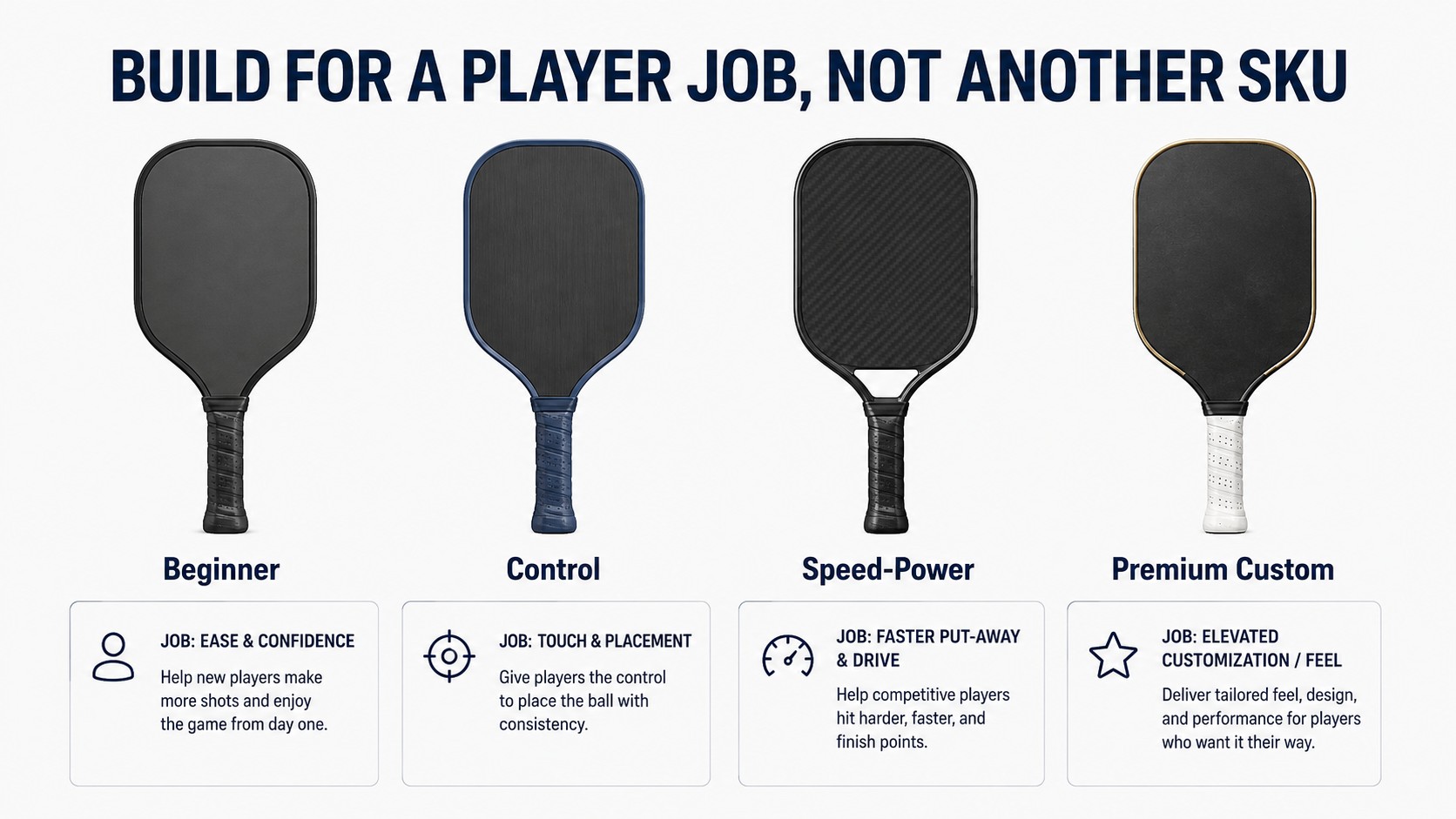
Participation Growth Now Creates More Segments—not One Bigger Market
USA Pickleball reported in April 2026, citing Sports & Fitness Industry Association data, that U.S. pickleball participation had climbed to more than 24.3 million players and described the sport as the country’s fastest-growing sport for a fourth consecutive year.
For equipment companies, the implication is not that every brand should produce more paddles. A larger player base creates more distinct needs: first-time recreational players, club players, tournament players, families, schools, facilities and performance-focused consumers.
In an emerging category, simply offering a paddle can be enough to participate. In a more mature category, the consumer asks why one paddle exists beside another.
That puts pressure on brands to build clearer product architecture: entry, control-oriented, speed-oriented, power-oriented, elongated, widebody, youth, quiet/community-friendly, premium custom or other meaningful jobs.
Regulation and Testing Are Now Product-Development Inputs
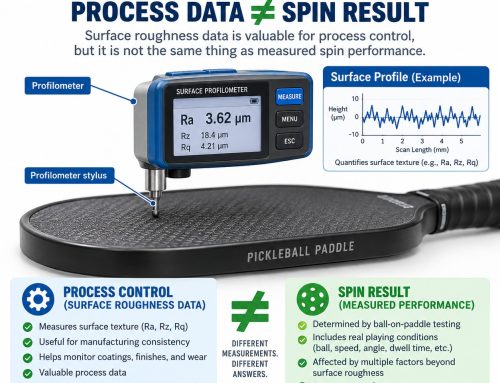
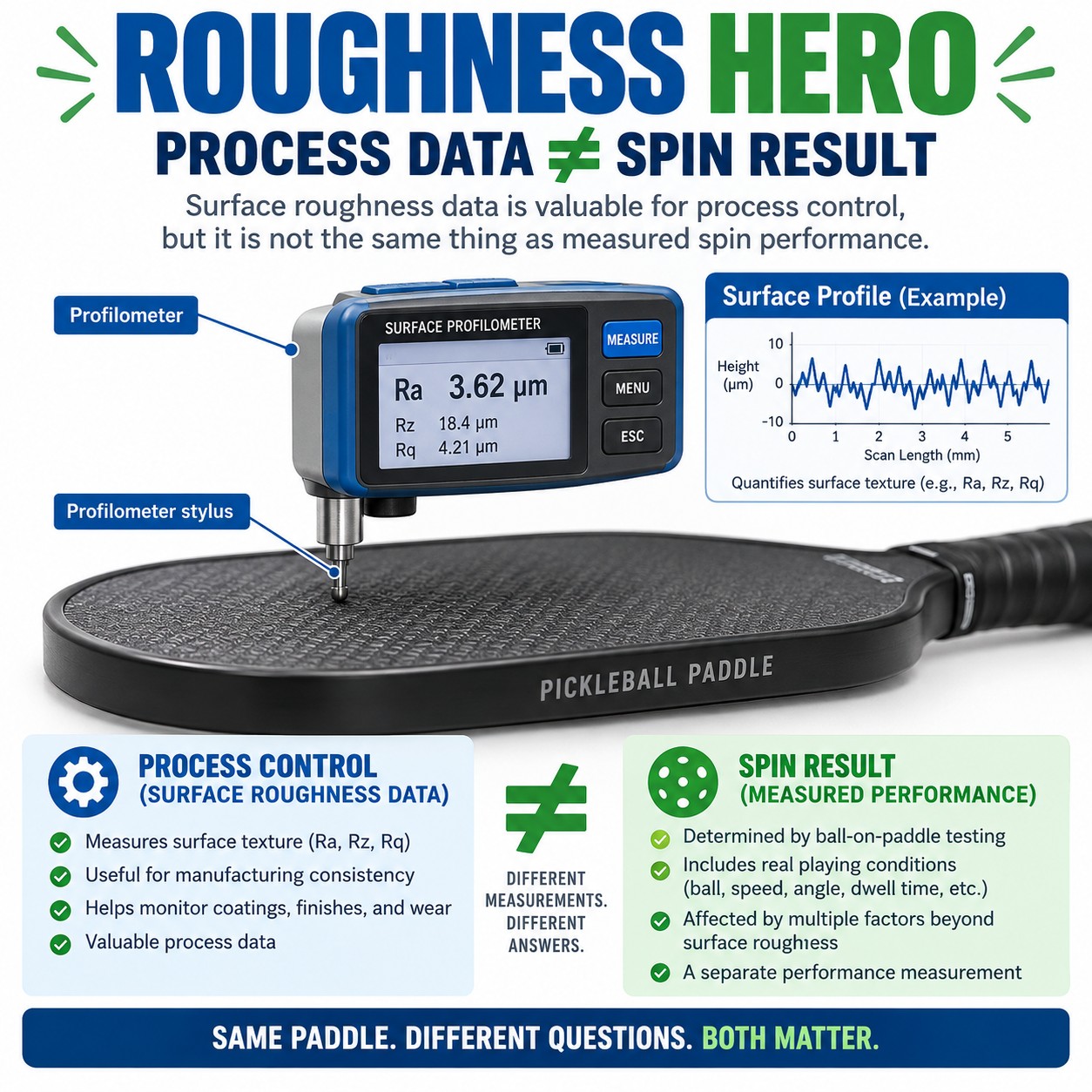
Performance innovation now sits closer to compliance decisions. Face friction, break-in behavior, rebound characteristics, material changes and lifecycle stability can affect whether a paddle remains inside the rules or certification requirements relevant to its market.
Brands should treat approval as a development gate rather than a sticker added at the end.
International Markets Need a Maturity Model, Not One Global Growth Claim
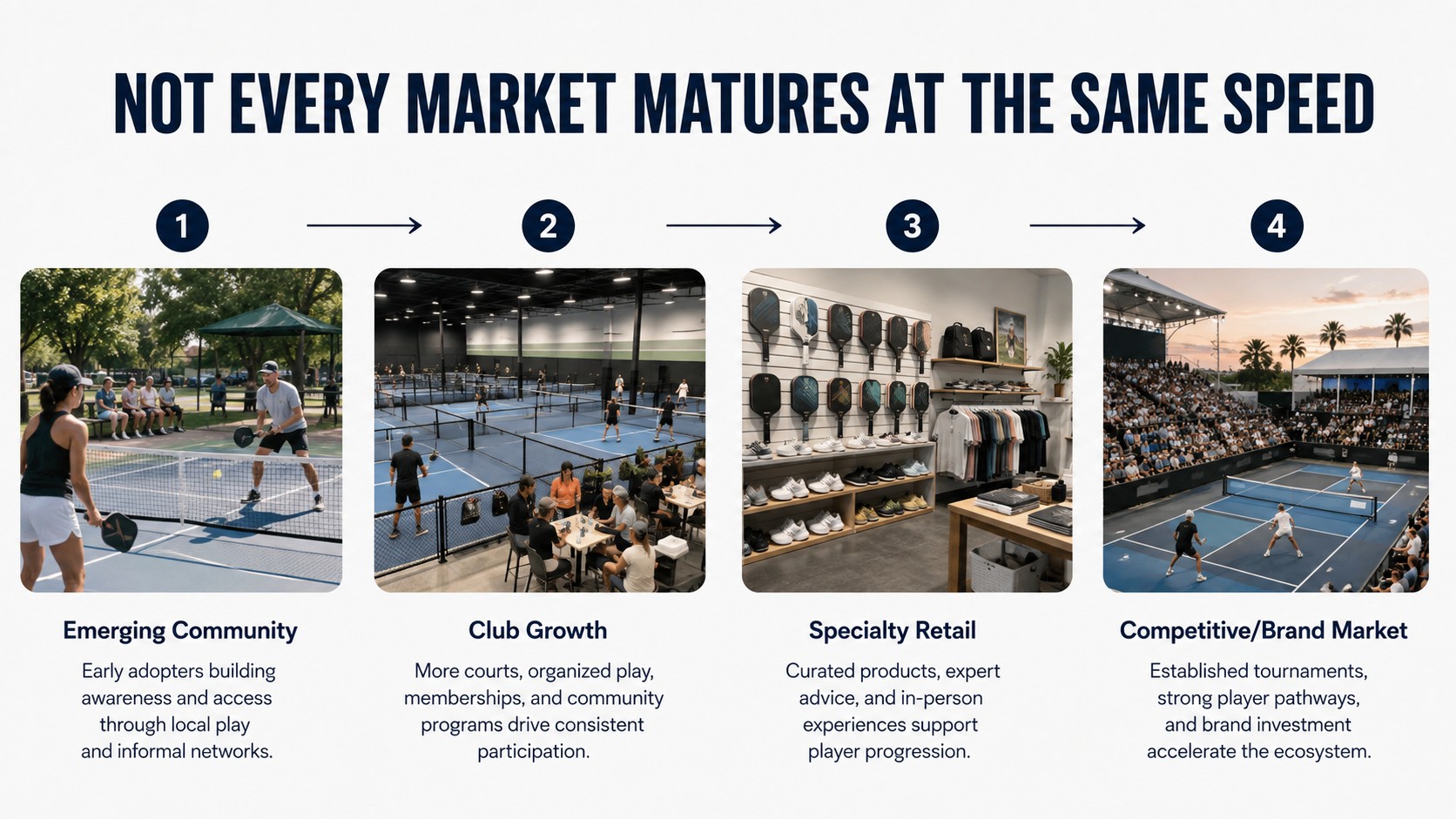
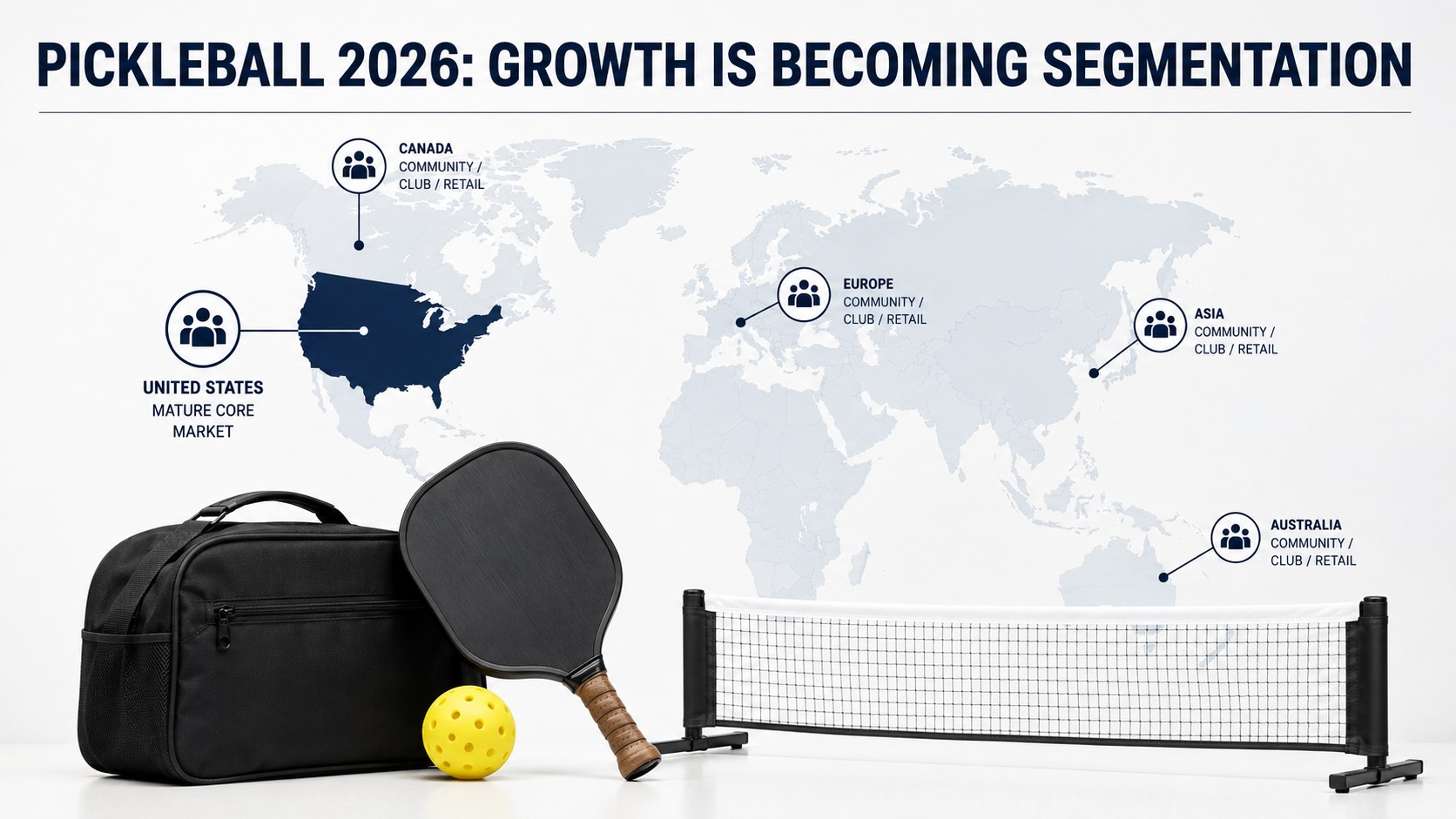
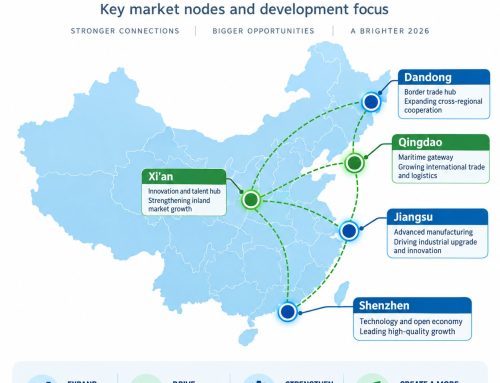
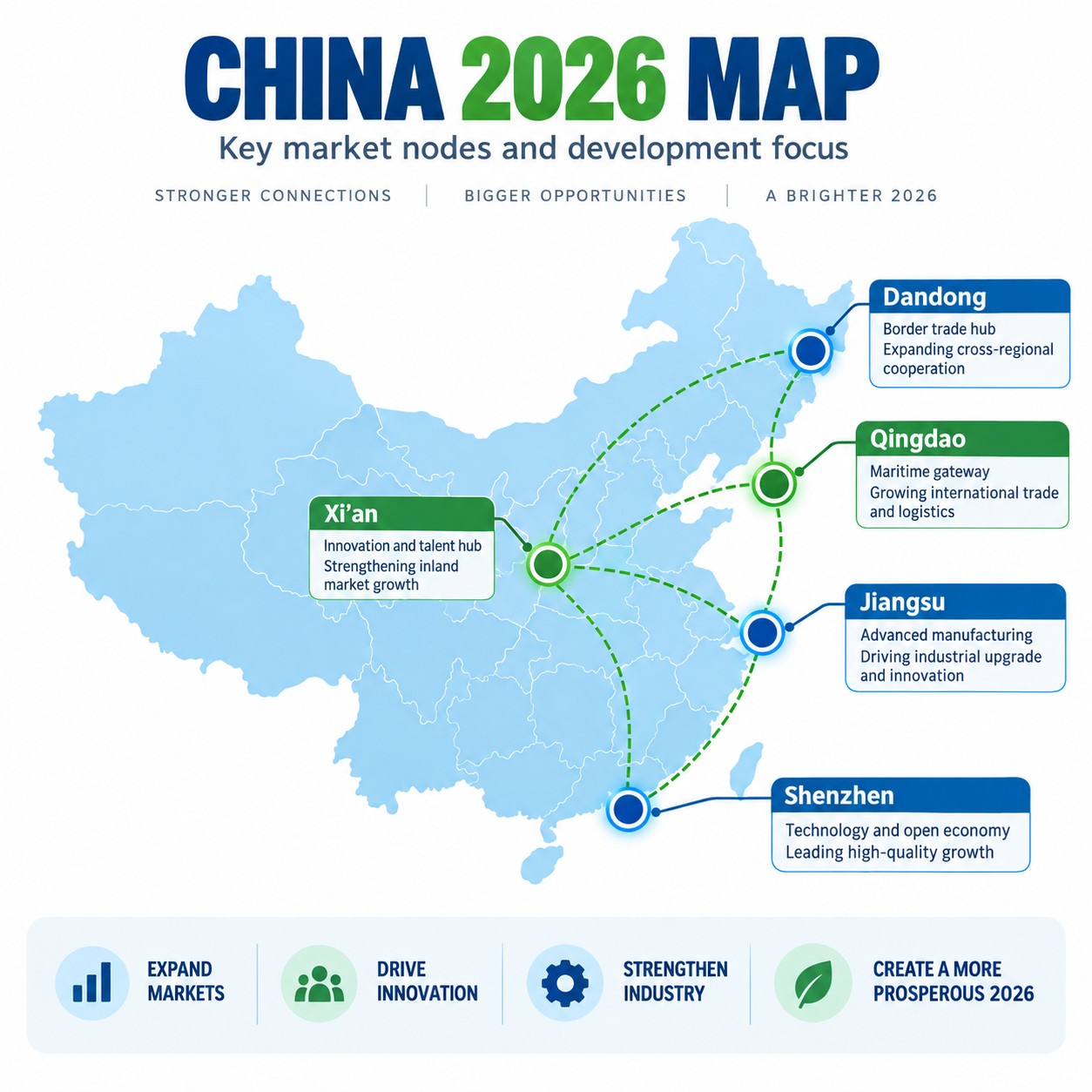
Pickleball is expanding beyond its U.S. core, but different countries and cities are at different stages. Some markets are still building courts, coaches and community awareness. Others have specialty retail, competitive events, clubs and local distributors.
A brand entering an early-stage market may need simple, durable products, club partnerships and education. A mature specialty market may demand deeper segmentation, demo programs, warranty support and technical selling.
- Emerging community: awareness, courts and first-time play are the bottlenecks.
- Club growth: facilities, coaches and organized communities drive equipment adoption.
- Specialty retail: players begin comparing shapes, materials and performance claims.
- Competitive/brand market: professional influence, certification, demos and launches become more important.
2026 Market Signal → Business Implication
| Verified / Observable Signal | What It Does Mean | What It Does NOT Mean |
|---|---|---|
| USA Pickleball cites 24.3M+ U.S. participants | Large participation base and segmentation opportunity | 24.3M annual paddle buyers |
| More formal equipment testing/regulation | Compliance belongs in development planning | Every player wants the maximum legal performance |
| International events and organized play expand | More countries/cities are building ecosystems | All countries have equal retail maturity |
| Brands add accessories/apparel | Potential for repeat purchase and lifestyle extension | Every paddle brand should become an apparel company |
| More technical claims in the market | Evidence-based education can differentiate | Material names alone prove performance |
Product, Channel and Adjacent-Category Strategy Must Be Segmented Together
A useful portfolio is not “Carbon Model A, Carbon Model B, Carbon Model C.” It is a set of products that solve different jobs.
An entry paddle can prioritize forgiving geometry and easy explanation. A faster-hand product may prioritize mass distribution. A premium model can carry more process complexity if the customer can understand the benefit and the factory can reproduce it.
Amazon, DTC, specialty retail, distributors, clubs and facilities create different requirements. Marketplace products need clear differentiation at a glance. Specialty retail benefits from demo and staff education. Distributors need margin, inventory logic and territory clarity.
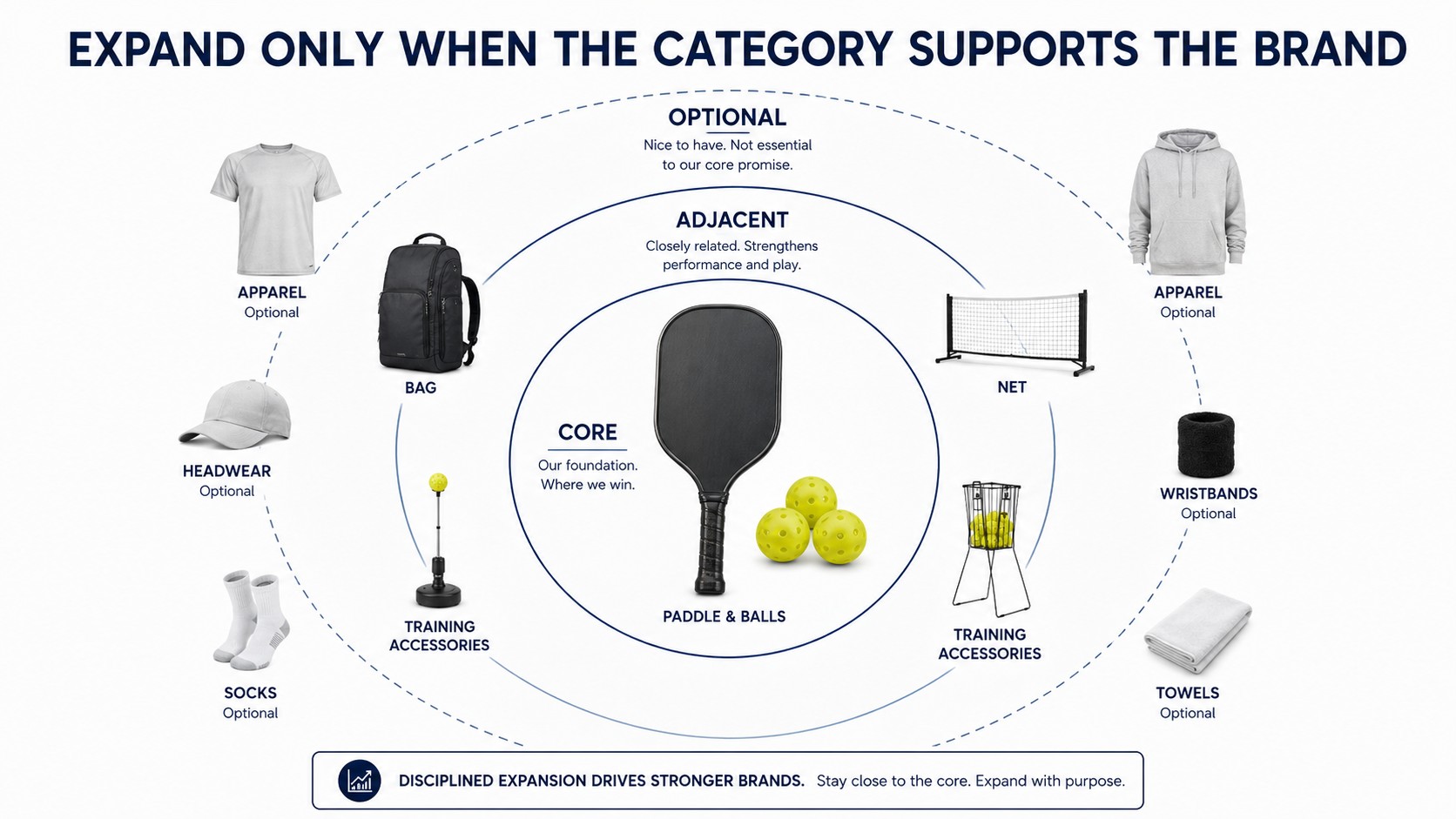
Balls, bags, nets, grips, edge protection, training accessories and apparel can increase order value and create more customer touchpoints. But expansion should support the core brand rather than distract from it.
Apparel can create repeat purchase, event visibility and lifestyle identity. It may also help a brand appear beyond the court and create lower-ticket customer touchpoints.
However, apparel adds sizing, seasons, colors, returns, fashion cycles and inventory complexity. It should be treated as a separate operating model, not a free add-on to paddle sales.
Portfolio Growth Raises Supply-Chain and Evidence Requirements
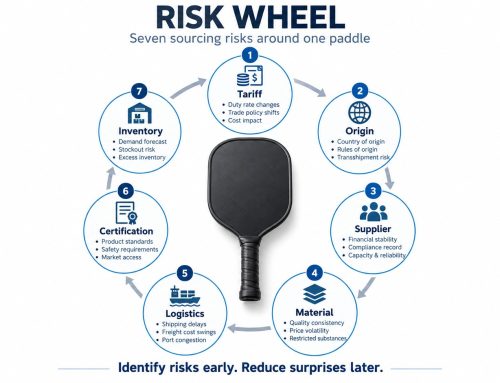
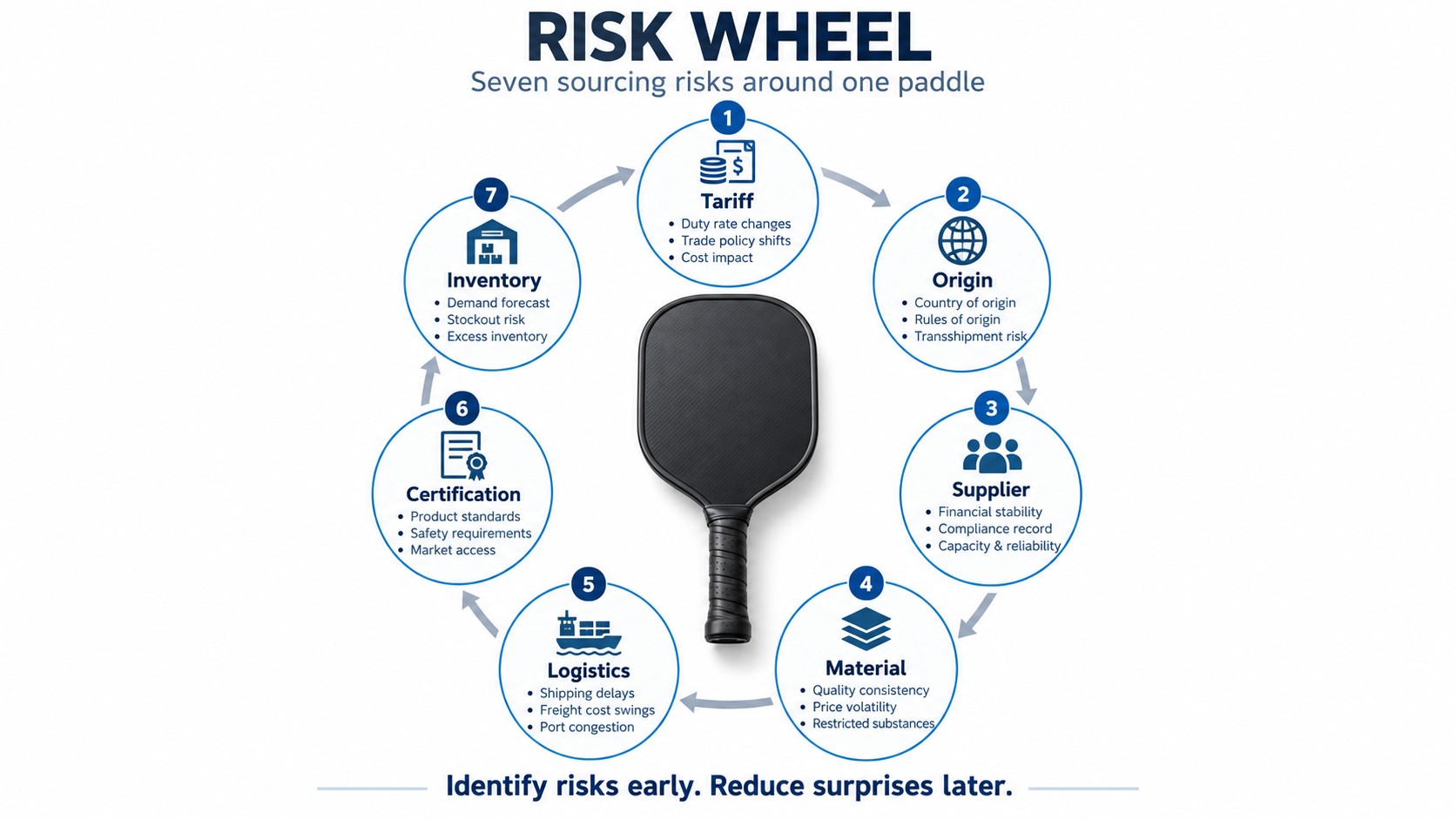
More SKUs increase material fragmentation, packaging versions, minimum orders and inventory risk. A brand expanding too quickly can lock cash into slow-moving variants while its best-selling model stocks out.
Use shared molds, controlled component families, modular graphics and clear change control where possible.
As technical claims become more common, brands that can show how a product is built and tested have an advantage over brands that only add new material names.
“T700,” “Kevlar,” “full foam,” “thermoformed” or “titanium carbon” can describe parts of a product. They do not automatically prove power, control, spin or durability.
What Brands and Manufacturers Should Watch in 2026
- How participation converts into repeat equipment purchases.
- Whether player segments become more specialized or simplify around understandable product jobs.
- How certification and lifecycle testing influence development cost and launch speed.
- Which international markets build durable club and retail infrastructure.
- Whether adjacent categories improve customer lifetime value or add inventory complexity.
For OEM manufacturers, the market shift creates a different sales opportunity. Buyers increasingly need more than a catalog of molds. They need help translating a target segment into geometry, material options, test plans, packaging and a controlled launch schedule.
A manufacturer that can provide sample discipline, clear technical documentation, flexible but controlled customization and evidence-based product education becomes more useful as the market becomes crowded.
Do not interpret participation growth as permission to launch every possible material combination. Do not create global-market claims from one country’s participation data. Do not present one athlete’s preference as a universal product truth. And do not expand into apparel or accessories simply because competitors have done so.
Growth creates room for better segmentation, but it also punishes undifferentiated inventory.
The next stage of equipment growth is less about flooding the market with more paddles and more about making each product easier to understand, validate and reproduce.
FAQ
How many pickleball players are there in the U.S.?
USA Pickleball stated in April 2026, citing SFIA data, that U.S. participation had climbed to more than 24.3 million players.
Is the U.S. still the only important pickleball market?
No. International participation is expanding, but market maturity varies widely by region.
Should every paddle brand sell apparel?
No. Apparel can create repeat purchase and brand visibility, but it adds sizing, returns, fashion cycles and inventory complexity.
What is the biggest equipment opportunity in 2026?
Clear product segmentation, compliance-aware development and market-specific channels are more useful than chasing one universal trend.
How often should a market outlook article be updated?
At least annually, and sooner if major participation data, rules, certification systems or channel conditions change.
The End about Mayvoci
1)Design:Over 100 paddle designs and photography service to assist start-up.
2)Professional:Focus on various of paddles manufacturing for 6 years
3)Quality:Strict quality management system to provide safety and satisfaction for customers
4)Amazon:Flexible comprehensive solution to make sure each Amazon seller is well cared.
5)Excellent Team:Experienced paddle experts & dynamic sales team give you 5-star service

We covered a lot of ground, but we want to hear from the people actually building and selling this gear:
💬 For the brands and OEMs in our network: What is the single biggest “product job” or unmet need you are seeing in the market right now?
Is it the demand for quiet/community-friendly paddles? Better youth sizing? Or maybe navigating the new compliance testing?
Drop your thoughts below! We’re compiling the best insights to share in our next newsletter. 👇