
China's pickleball journey has reached an important milestone. With its debut at the Sichuan Provincial Games, the sport is evolving from a grassroots recreational activity into an officially recognized competitive discipline. This transformation reflects the rapid growth of pickleball across China and signals new opportunities for players, clubs, brands, and equipment manufacturers worldwide.
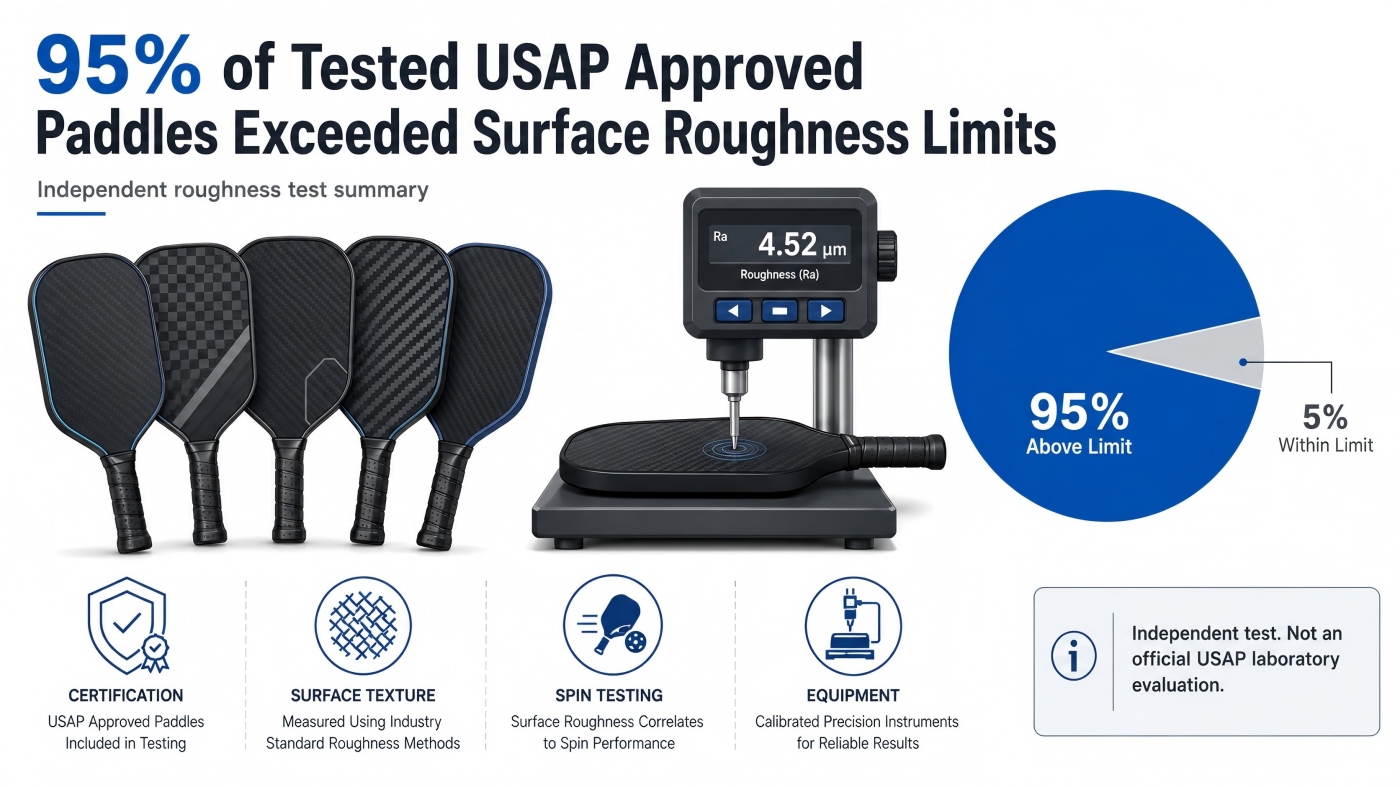
A recent independent test suggests that up to 95% of USAP-approved pickleball paddles may exceed official surface roughness limits. This article explores whether the issue lies in paddle manufacturing or outdated certification standards. We break down how surface roughness is measured, why modern carbon fiber paddle technology is evolving faster than regulations, and what this means for spin performance, USAP compliance, and OEM paddle design. A must-read for brands, manufacturers, and serious pickleball players.
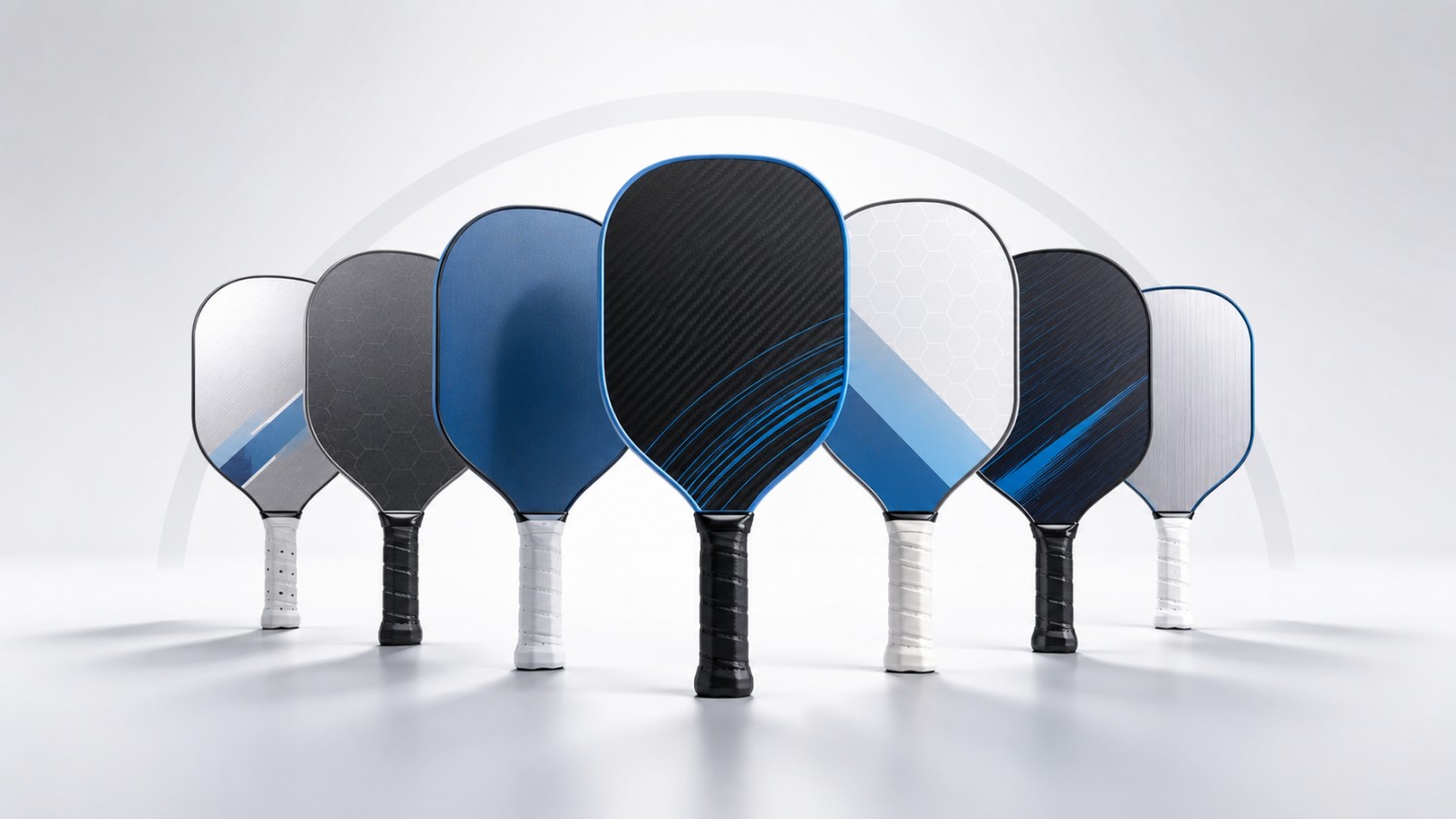
Paddletek's acquisition of PIKKL is more than just another business deal—it reflects a major shift in the pickleball paddle industry. As leading brands expand through acquisitions, the market is entering a new phase of consolidation, technology integration, and stronger competition. This article explores what the deal means for players, emerging paddle brands, and manufacturers, while examining why professional athletes can switch paddles without sacrificing performance and why manufacturing innovation matters more than brand logos.
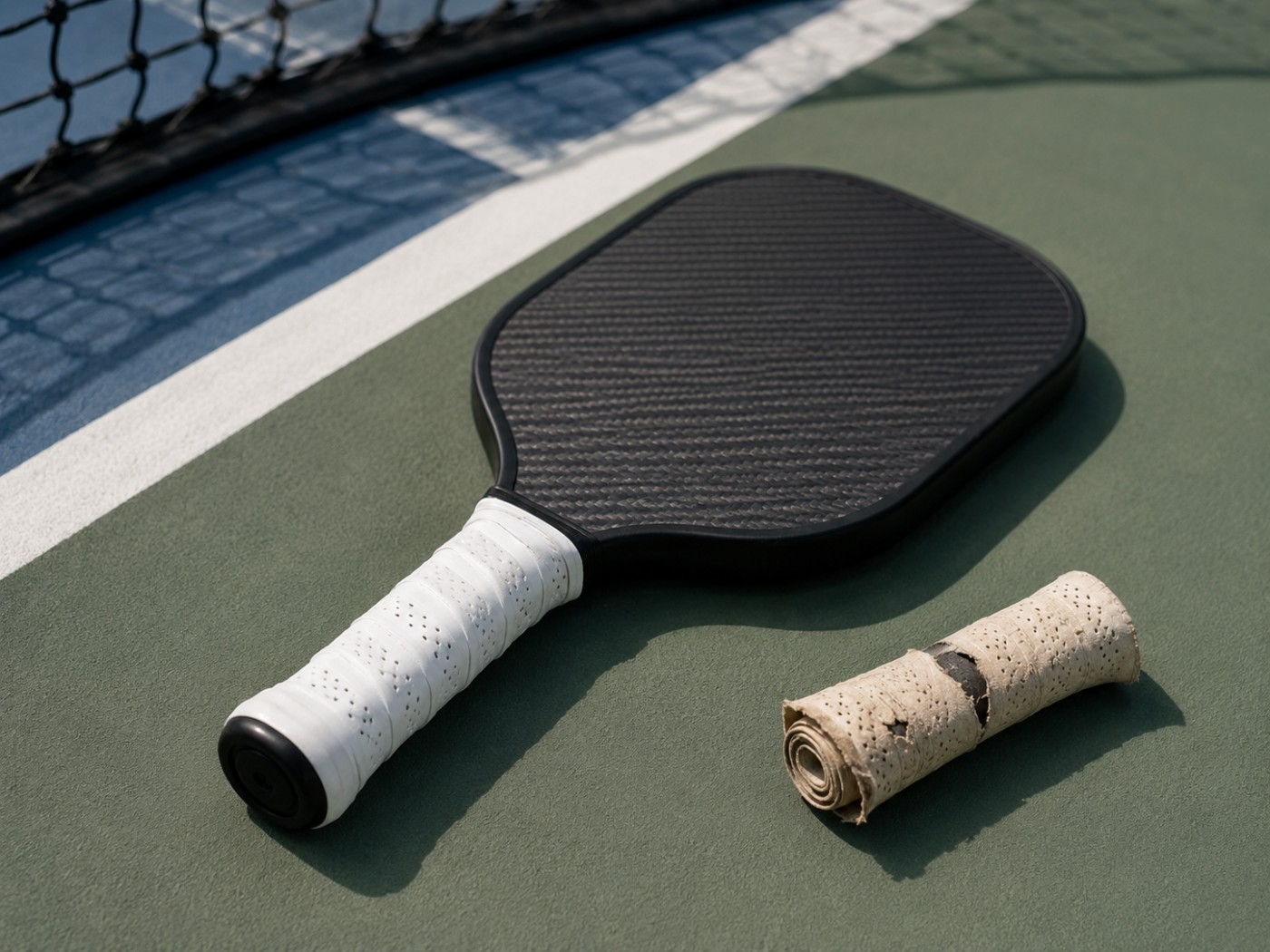
Many players blame their pickleball paddle when performance drops, but the real problem may be the grip. Learn why overgrips matter, how to choose the right one, and when it's time to replace it.
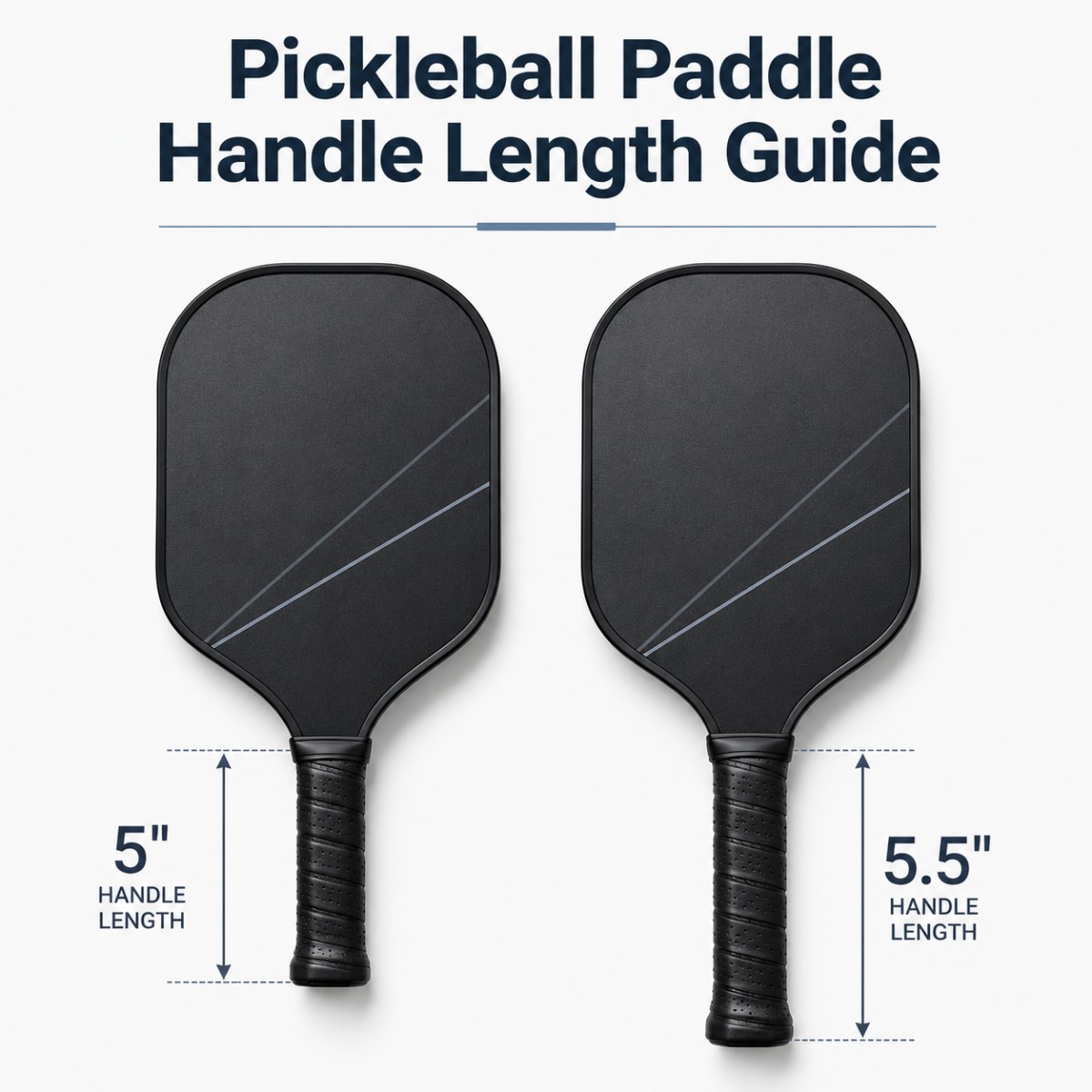
Learn the difference between 5-inch and 5.5-inch pickleball paddle handles. Find out which handle length is better for two-handed backhands, control, power, and quick hands at the kitchen line.
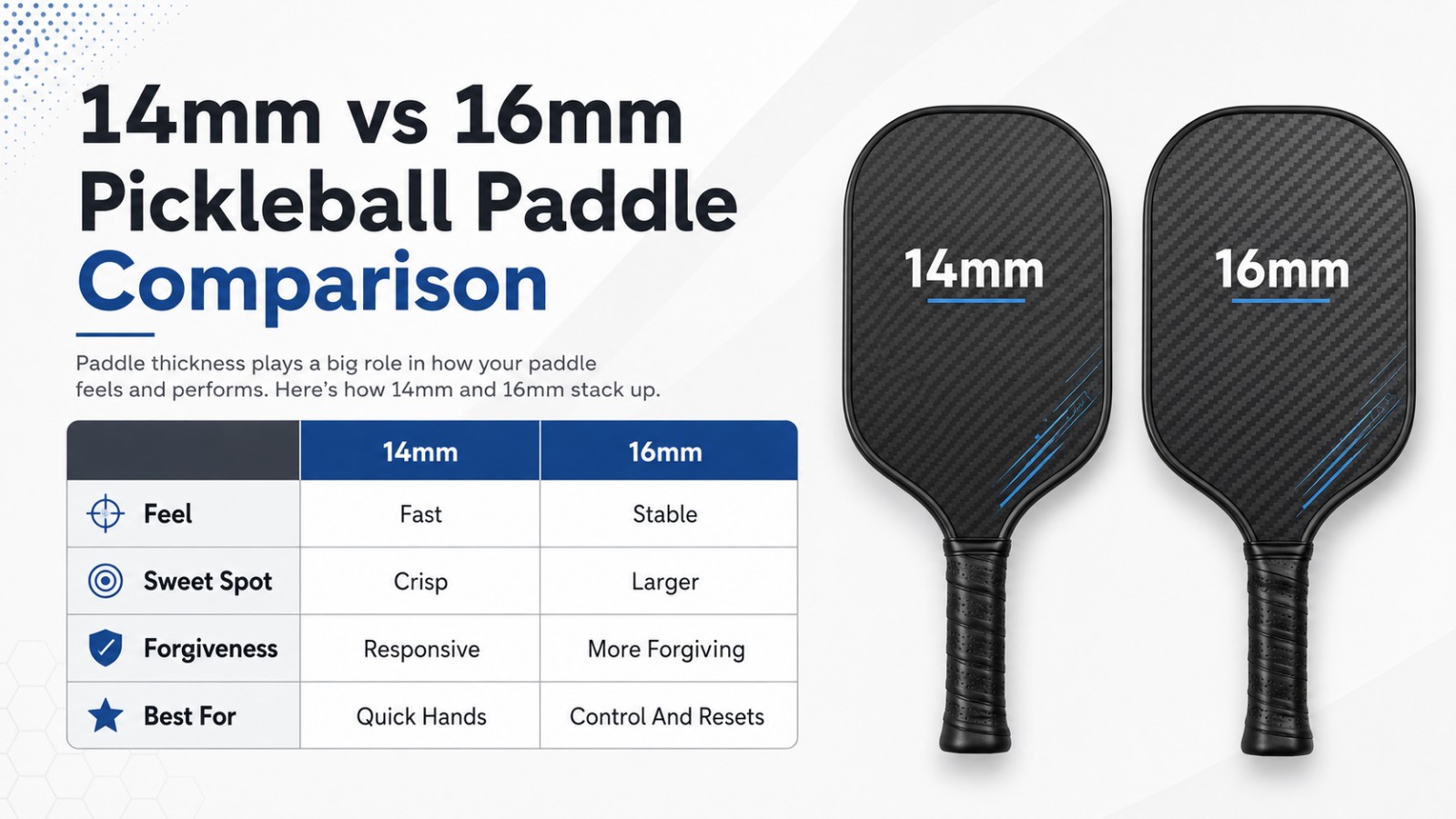
Learn the real difference between 14mm and 16mm pickleball paddles. Discover how thickness affects feel, sweet spot, forgiveness, power, and OEM paddle design.
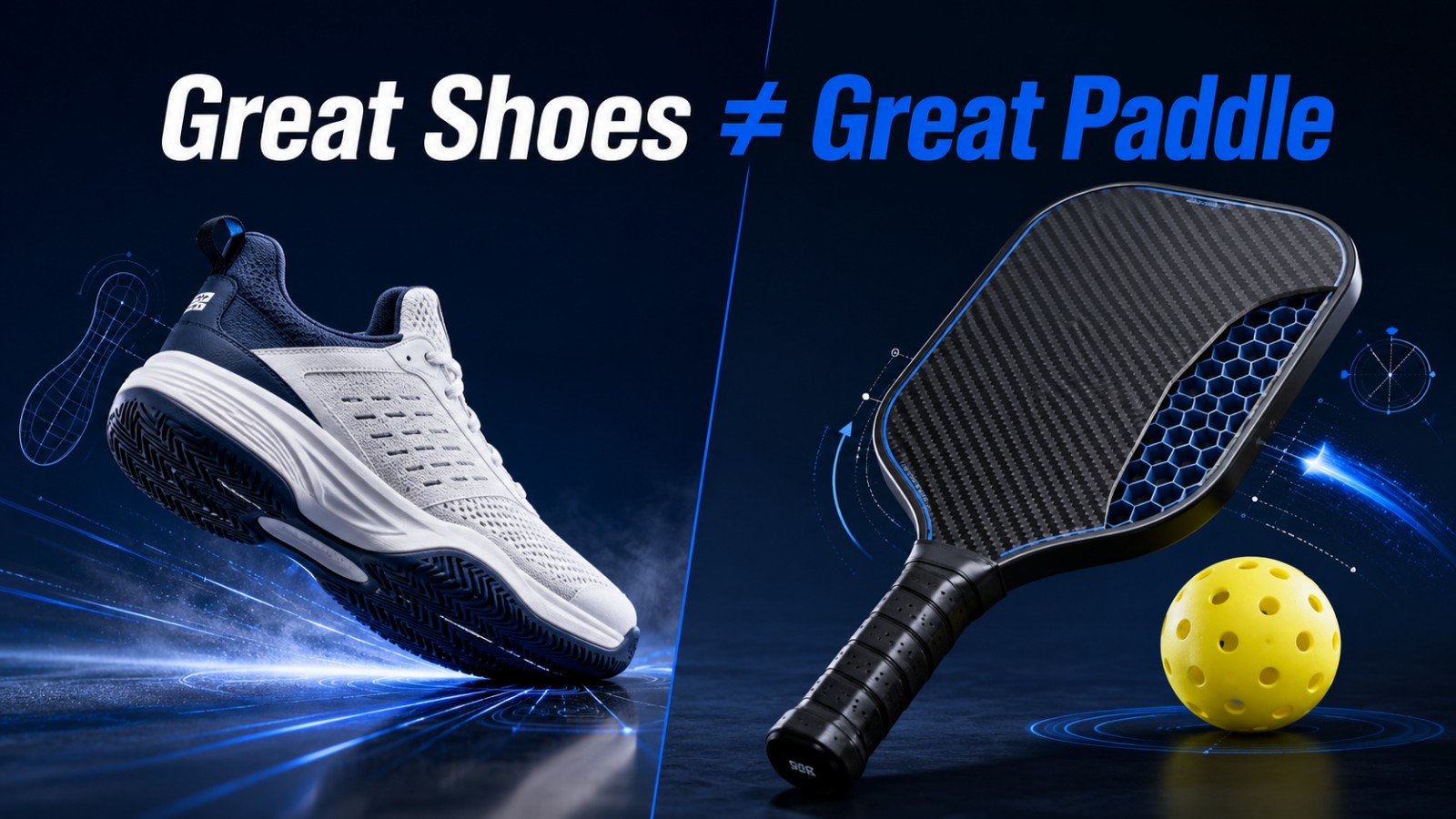
This article explores why success in court shoes does not automatically translate into success in pickleball paddles. As more crossover sports brands enter the pickleball market, the difference between footwear expertise and paddle engineering becomes more important. Through market examples, certification requirements, material systems, paddle structures and production challenges, the article explains why a great paddle requires more than brand recognition. It requires impact control, surface technology, core design, weight balance, certification awareness and repeatable manufacturing quality.
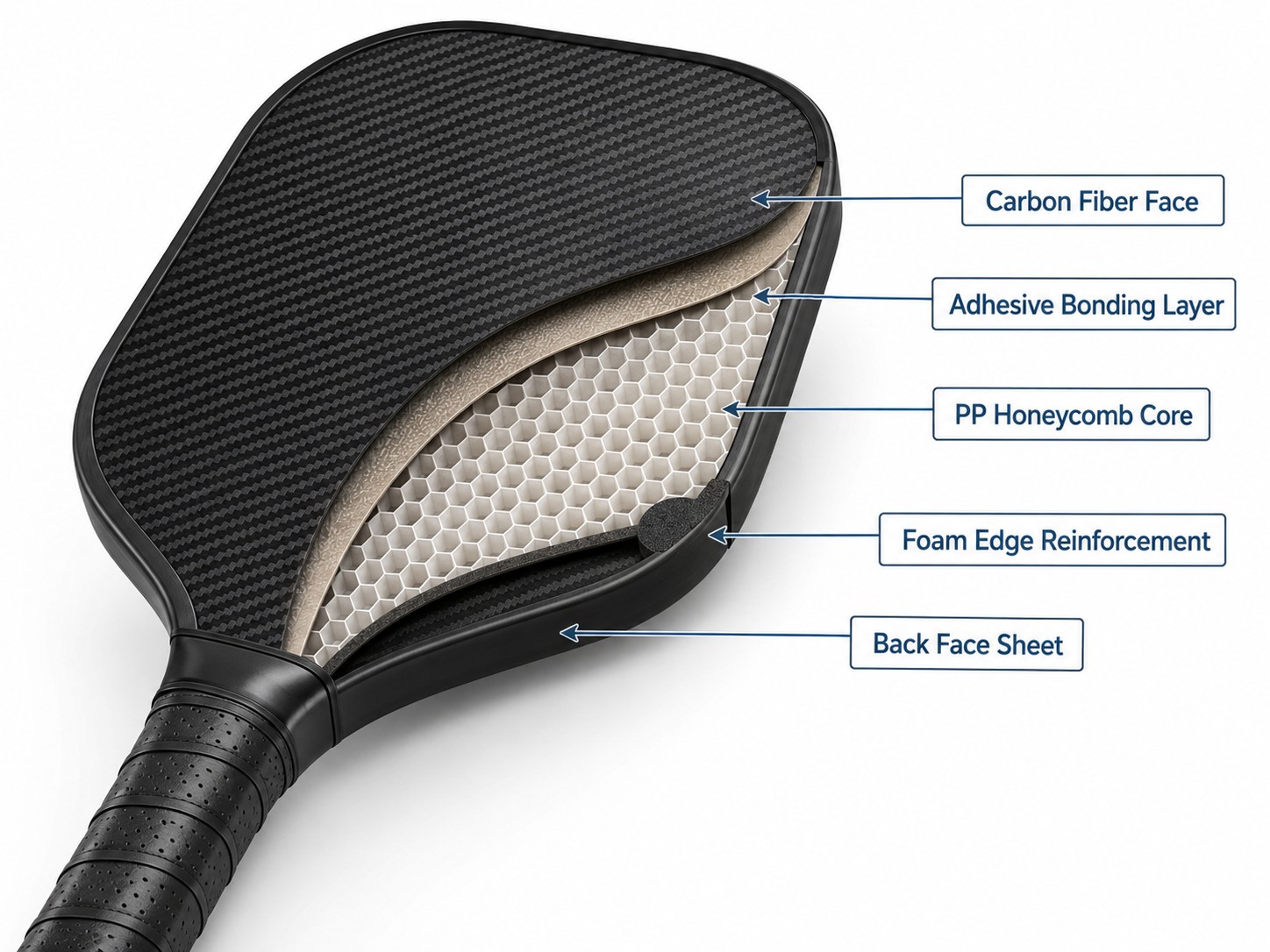
Learn why pickleball paddles delaminate, how core crush and disbonding happen, and how to choose a more durable carbon fiber paddle with stronger bonding, stable core support, and better QC.
Hexgrit Diamond Particle Surface Technology is an advanced racket surface process designed to improve surface grip, spin response, and long-lasting durability. By integrating fine diamond particles into the functional surface layer, Hexgrit helps create a more consistent textured feel for padel rackets, pickleball paddles, and other composite racket products. This article explains how Hexgrit works, where it can be applied, what production factors should be controlled, and how it can help brands develop more differentiated OEM and ODM racket series.
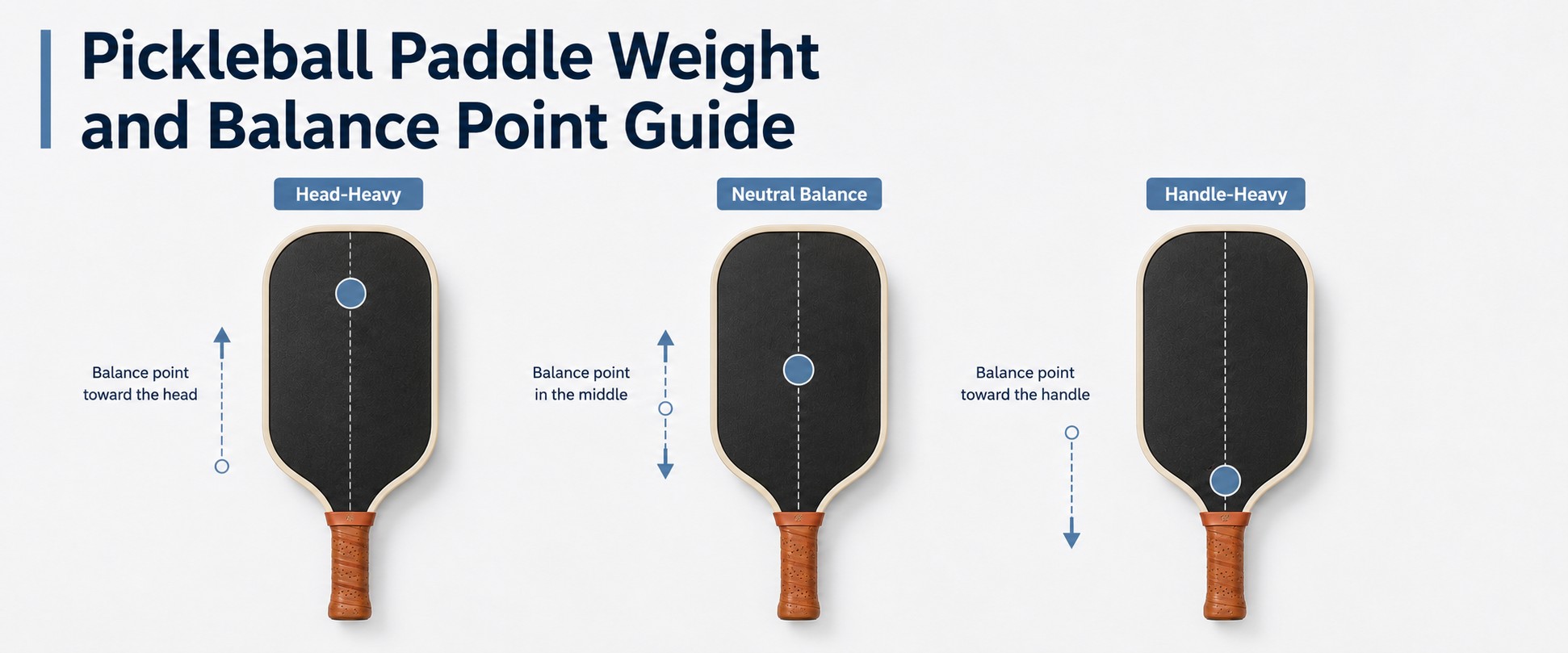
Learn how paddle weight and balance point affect power, control, reaction speed, and comfort. This guide explains the difference between head-heavy, handle-heavy, and neutral-balance paddles, helping players choose the right paddle based on their playing style.


Xiaxitou No.471, Tongan District, Xiamen, Fujian 361100 – China
Quick links