
A pickleball paddle can have a low factory quote and still be a bad business. It can also have a higher manufacturing cost and create a healthier product if the construction, quality, positioning and channel economics are aligned.
Pricing should be built as a chain: factory cost → landed cost → brand gross margin → distributor or wholesale margin → retailer economics → consumer price. Not every brand uses every layer, but every layer that exists needs room to perform its function.
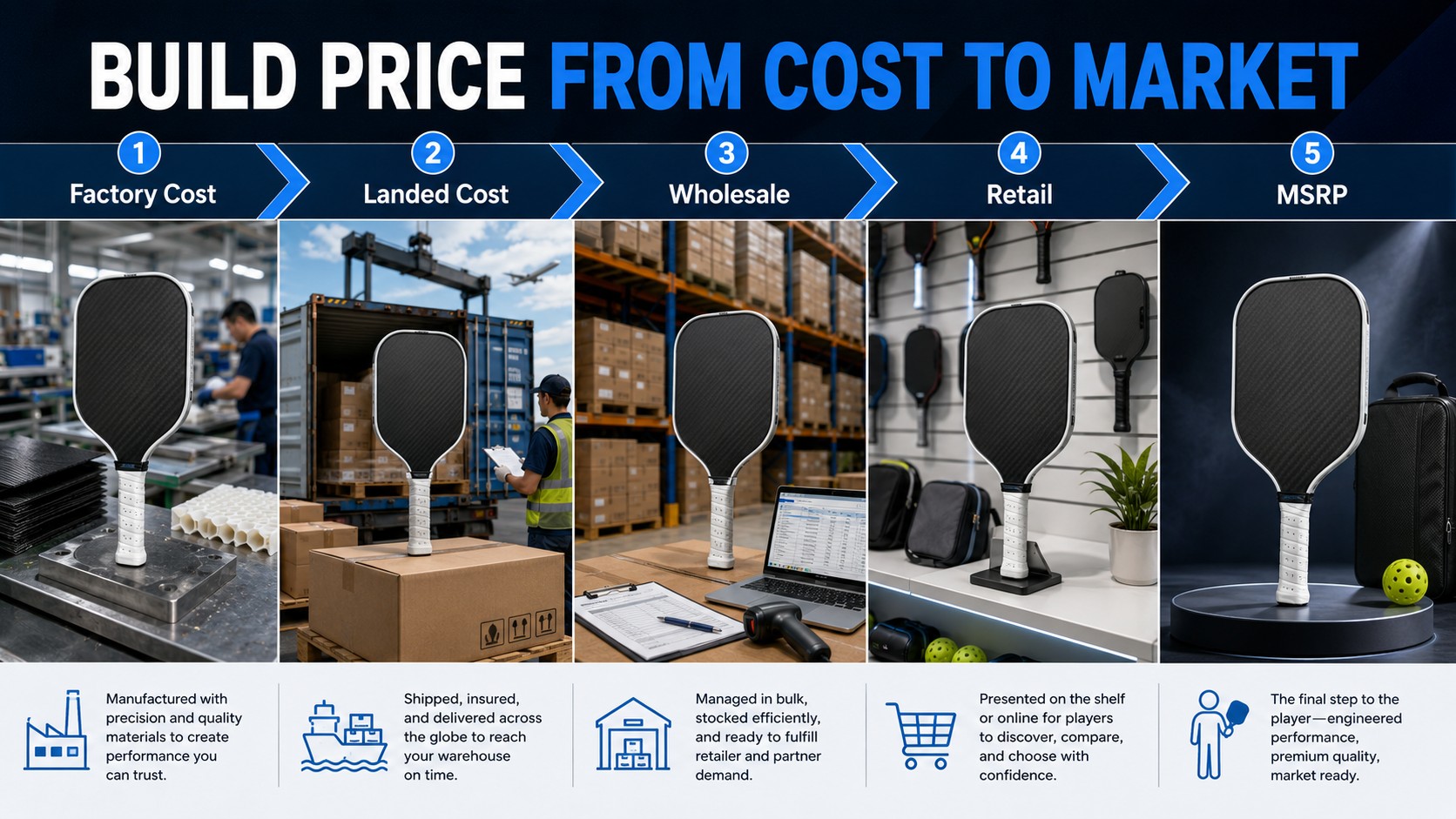
Understand What Really Drives Factory Cost
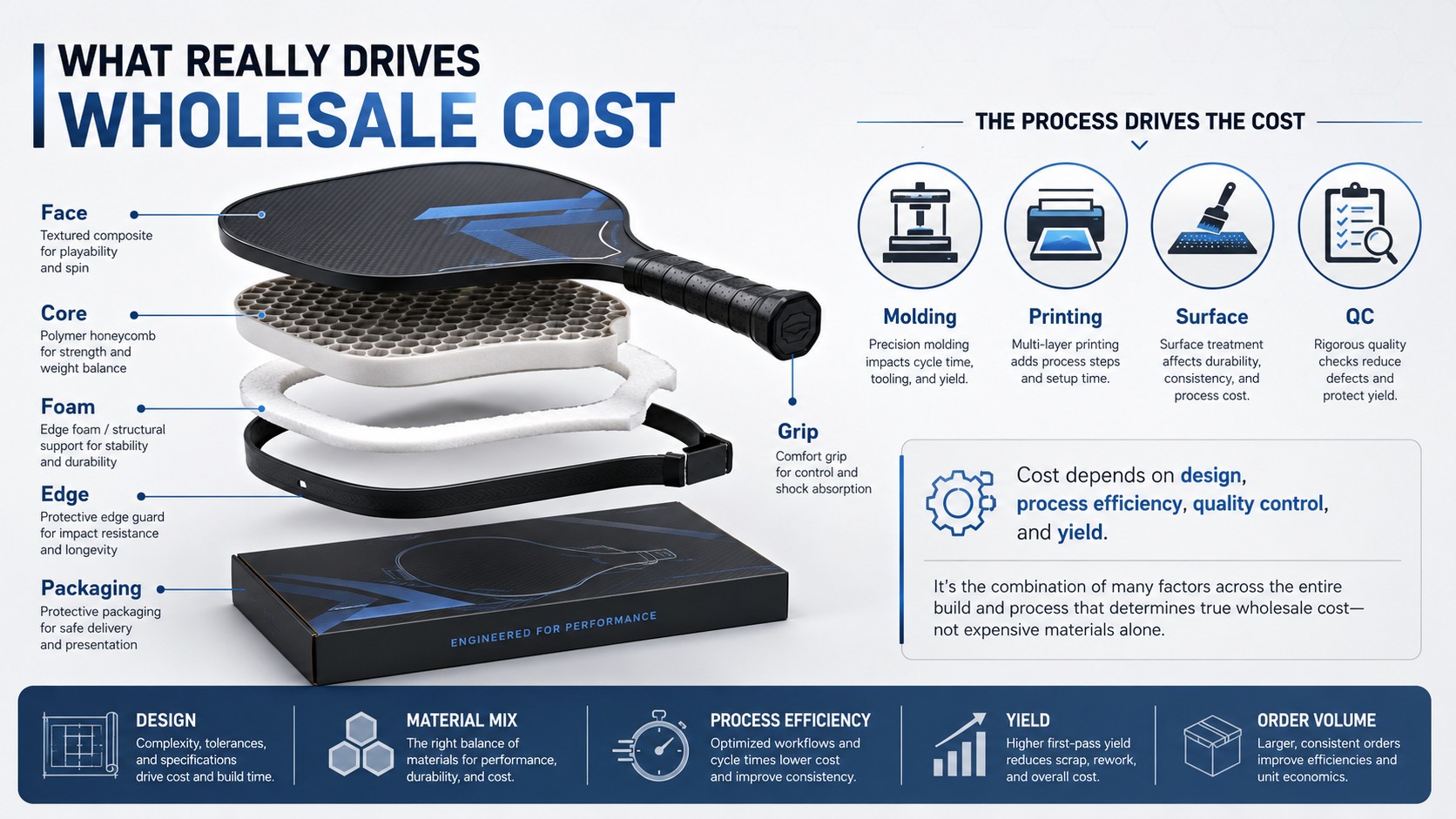
The factory price reflects materials, process, customization, yield, labor, quality controls, packaging and commercial terms inside the supplier’s scope. It does not automatically include freight, duties, destination charges, marketing, warranty, marketplace fees or channel margin.
- Face system: fiber type, fabric architecture, areal weight, layer count, resin and surface process.
- Core system: PP honeycomb, foam family, thickness, density and reinforcements.
- Construction: cold-pressed, thermoformed, edge architecture, foam placement and process steps.
- Geometry: existing mold versus new tooling and handle construction.
- Components: grip, butt cap, edge guard and packaging.
- Quality: tighter tolerances, more inspection, testing and retained samples.
A premium BOM with poor yield can become especially expensive because scrap, rework and inspection time are spread across saleable units.
A new surface may require more controlled application and increase reject risk. A complex edge construction may require tighter alignment. A new foam may need different bonding conditions. A narrow weight tolerance can require component sorting or additional inspection.
The cost is not only the material. It is also the probability of producing a conforming unit repeatedly.
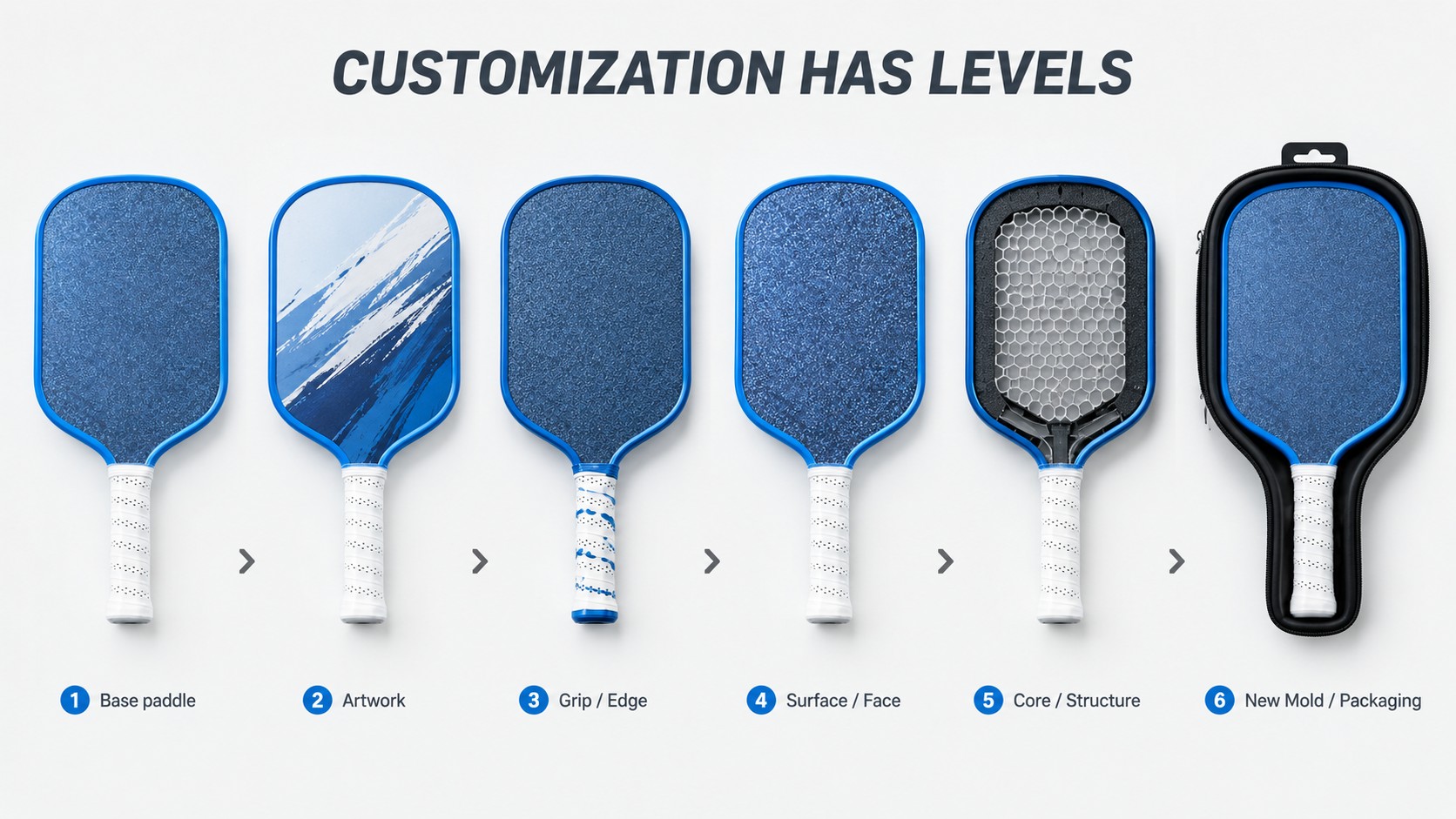
Low-volume orders can carry more setup cost per unit. Custom packaging, special grips, unique edge colors, new molds and exclusive materials may each have their own supplier minimums.
For a launch SKU, existing molds and standard components can reduce development and inventory exposure while artwork, surface appearance and packaging establish the brand.
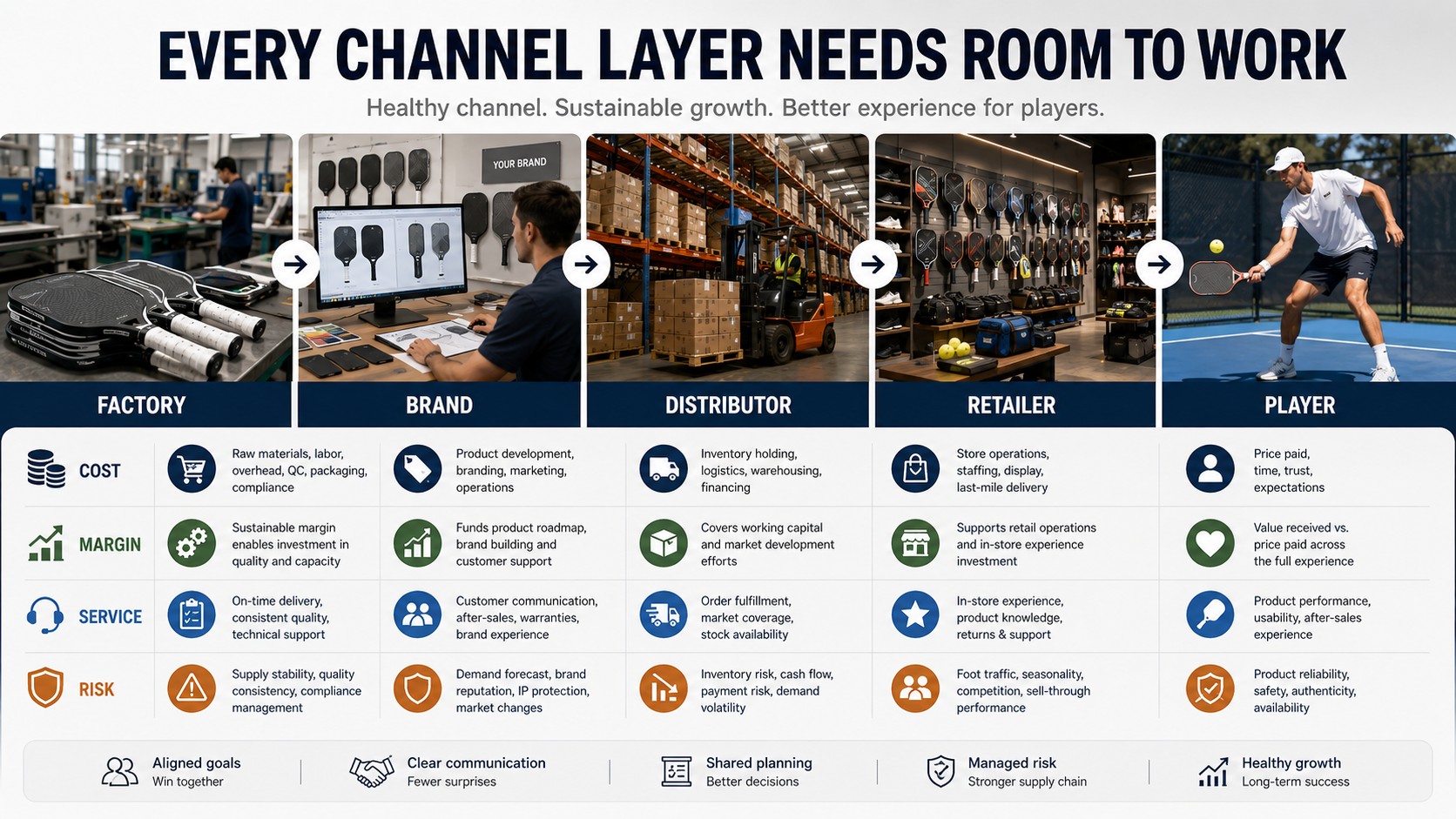
Move From Landed Cost to Channel Economics
Before setting wholesale or retail prices, add the costs required to make inventory commercially usable: freight, applicable duties or trade measures, brokerage, destination delivery and currency exposure.
A DTC brand may keep more gross margin but carries more customer acquisition, fulfillment and service cost. A distributor model gives up margin in exchange for local sales, warehousing or retailer access. A retail model adds another layer that must be motivated to stock, display and replenish the product.
Model the intended channel before mass production.
Build MSRP and MAP Around Positioning—not Competitor Copying
MSRP should be compatible with the target segment and with the margins required by the route to market. A brand can work backward from a target consumer price and forward from landed cost at the same time.
If the two calculations do not meet, simplify the product, improve yield, change channel structure, adjust launch volume, reposition the SKU or accept a lower margin.
MSRP and MAP are not the same. MSRP is a suggested consumer price; MAP relates to how low participating resellers may advertise a product under a brand’s policy and applicable legal framework.
MAP should not substitute for sound channel economics. Brands using pricing policies should seek appropriate legal advice.
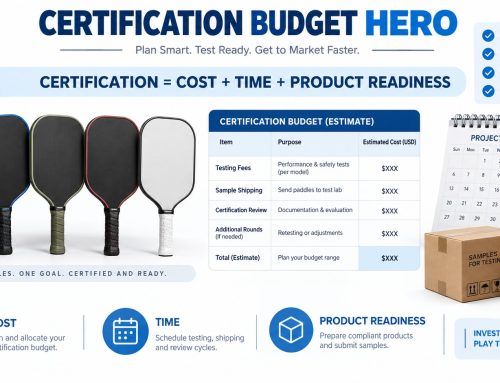
Illustrative Pricing Model — Example Only
| Stage | Example Input | What the Reader Should Learn |
|---|---|---|
| Factory cost | $20.00 | Starting manufacturing cost only |
| Freight + duty + destination + FX buffer | $6.00 | Illustrative logistics/import layer |
| Landed cost | $26.00 | Commercial cost base before channel expenses |
| Brand wholesale price | $52.00 | Example only; margin must cover real operating costs |
| Retailer consumer price | $99.00 | Illustrative positioning output, not an industry benchmark |
| Stress case | Landed cost rises to $30.00 | Recalculate margin before the PO, not after arrival |
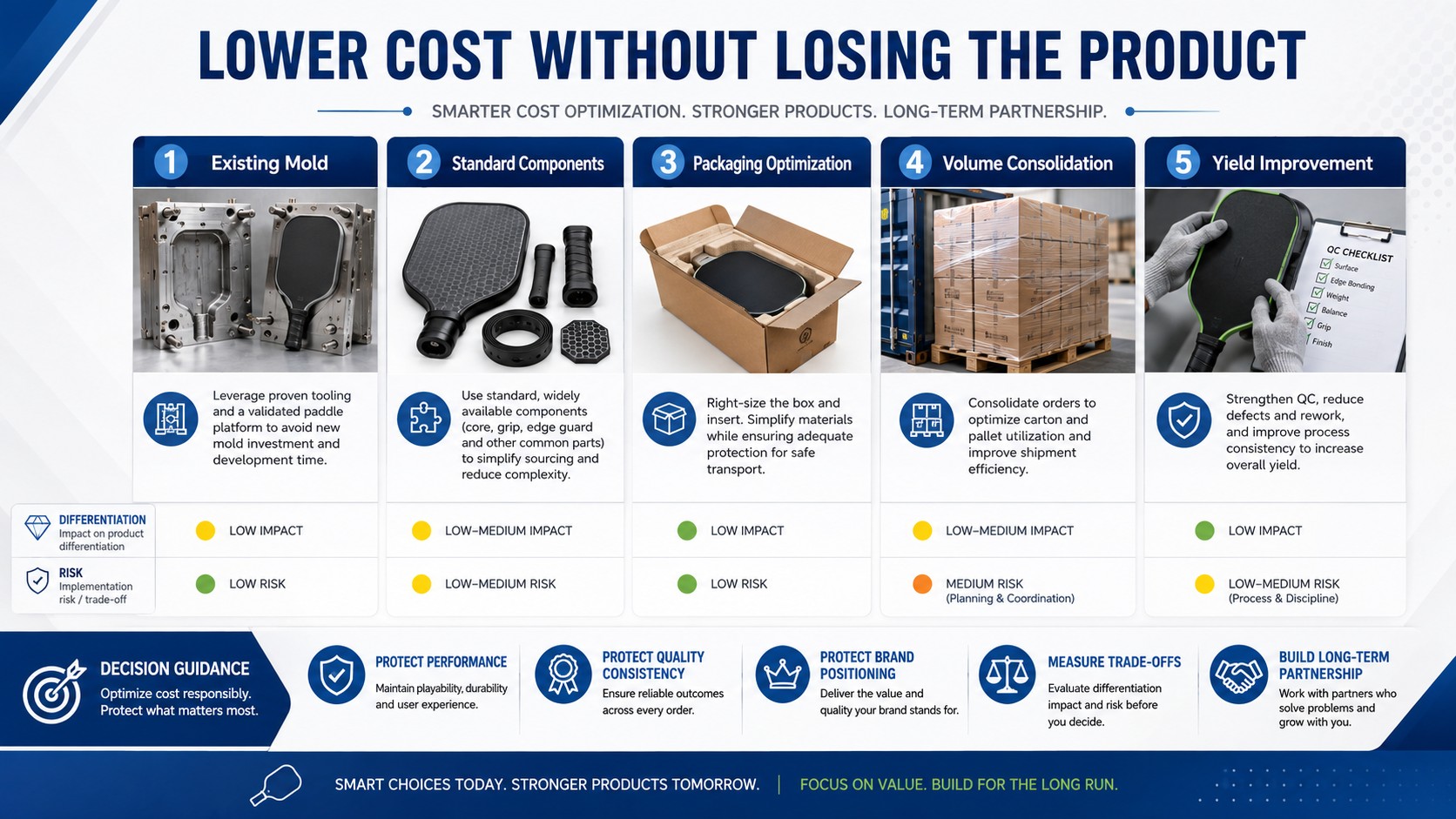
Reduce Cost Without Destroying the Product
- Use an existing mold if unique geometry is not central to the product promise.
- Standardize hidden components where performance is unaffected.
- Optimize packaging cube and material count.
- Consolidate orders to improve purchasing and production efficiency.
- Improve process yield instead of silently substituting lower-cost materials.
- Reduce SKU fragmentation so each version has enough volume.
Paying more can be rational when the added cost buys stable quality, lower warranty exposure, defensible differentiation, tighter tolerances, better traceability or easier certification management.
It is not rational when the extra cost exists only because the BOM contains fashionable material names that the customer cannot understand and the factory cannot prove.
Build and Stress-Test a New-SKU Pricing Model
Record factory price, packaging, landed cost, saleable units, warranty allowance, channel discounts, distributor margin, retailer margin, payment fees, fulfillment or marketplace costs and marketing assumptions.
Then calculate multiple scenarios. A value SKU, premium specialist SKU and distributor-first SKU may need different economics even when they share a mold.
Pricing decisions improve when the brand looks at a product family. An entry model can create acquisition volume, a mid-tier model can carry the core proposition, and a premium model can justify more complex materials or testing. The three products do not need identical gross margins if each has a clear role.
Problems appear when several paddles occupy the same price and promise with only cosmetic differences. That creates internal competition, fragmented inventory and no reason for a retailer or distributor to hold all of them.
Run at least three cases: expected landed cost, a higher landed-cost case and a lower sell-through case. Then ask whether the product can still fund warranty, promotional discounts and channel support without destroying margin.
If one small freight increase makes the SKU unprofitable, the price architecture is too fragile. Fix that before ordering inventory.
Make Pricing a Portfolio Decision
Do not ask, “What should our MSRP be?” until you know what the product costs to land, who must earn margin along the route to market, and what job the paddle is supposed to perform in the portfolio.
FAQ
Why are thermoformed paddles often more expensive?
They can involve more process steps, tooling, materials and tighter process control, but cost depends on the specific architecture and yield.
What margin should a pickleball brand use?
There is no universal margin. It depends on channel, marketing, fulfillment, warranty, inventory risk and product tier.
Should MSRP be based on competitor prices?
Competitor pricing is a market signal, but your own landed cost, channel needs and positioning must support the number.
How can a new brand lower MOQ and cost?
Start with an existing mold and standard components, customize visible brand elements, and deepen structural customization after demand is proven.
Is the cheapest factory quote usually the lowest total cost?
No. Rework, inconsistency, delays, warranty and unusable inventory can make a lower quote more expensive overall.
The End about Mayvoci
1)Design:Over 100 paddle designs and photography service to assist start-up.
2)Professional:Focus on various of paddles manufacturing for 6 years
3)Quality:Strict quality management system to provide safety and satisfaction for customers
4)Amazon:Flexible comprehensive solution to make sure each Amazon seller is well cared.
5)Excellent Team:Experienced paddle experts & dynamic sales team give you 5-star service

What’s the biggest pricing mistake you’ve seen new pickleball brands make? Is it underestimating landed cost, copying competitor MSRP, or something else? Share your thoughts below—let’s help the community build healthier businesses! 👇