“Private traffic” is common Chinese marketing language, but it is not the clearest term for an international audience. The more useful concept is owned audience: people who have given the brand a direct, permission-based relationship through email, CRM, community, warranty registration, demos, dealer programs or customer accounts.
Owned audience does not replace social platforms. It reduces dependence on algorithms and makes product feedback easier to connect to real customers.
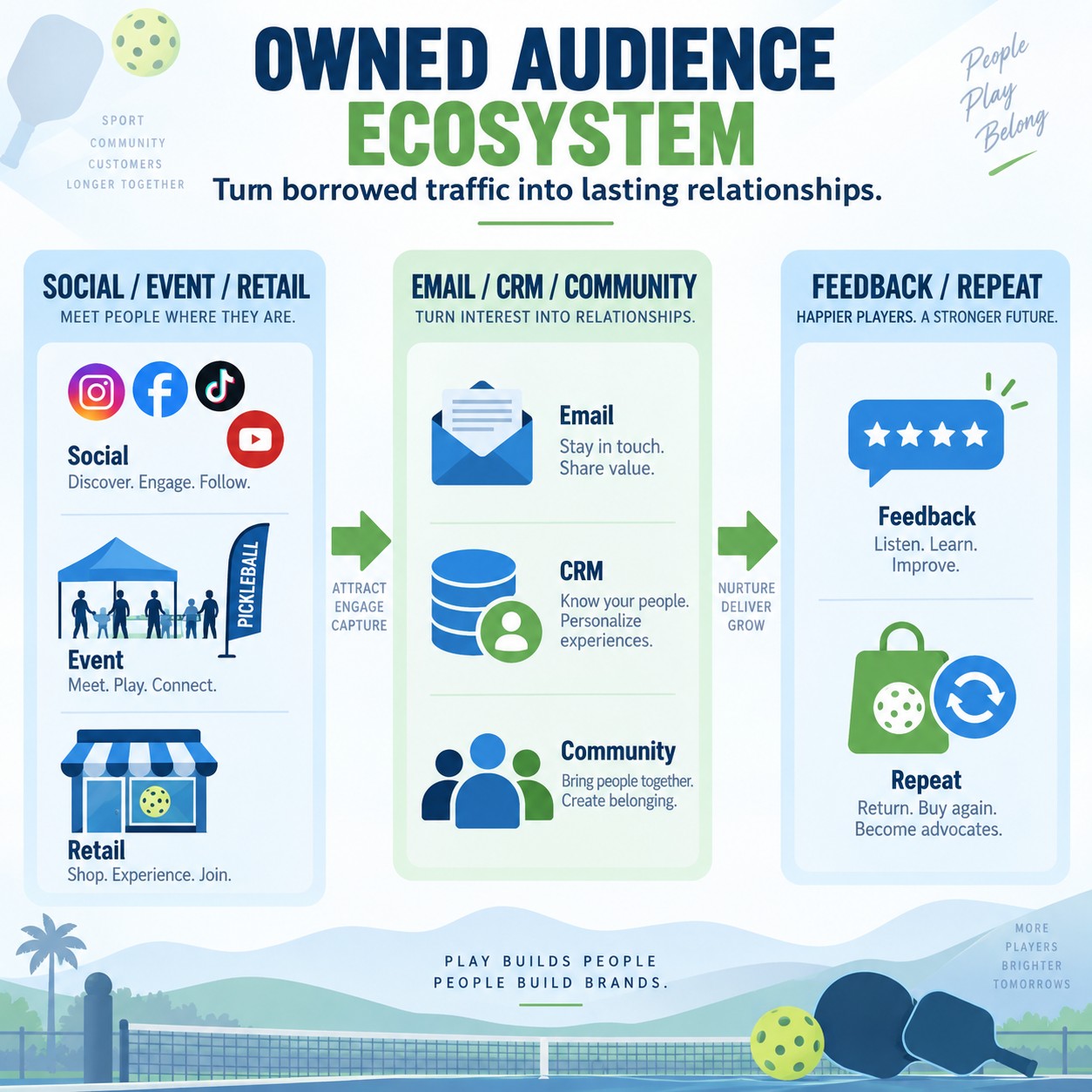
Build Permission-Based First-Party Relationships
Start With Permission
Collect information transparently for a stated purpose through opt-in forms, event registration, warranty registration and customer accounts. Follow privacy and marketing rules in each target market.
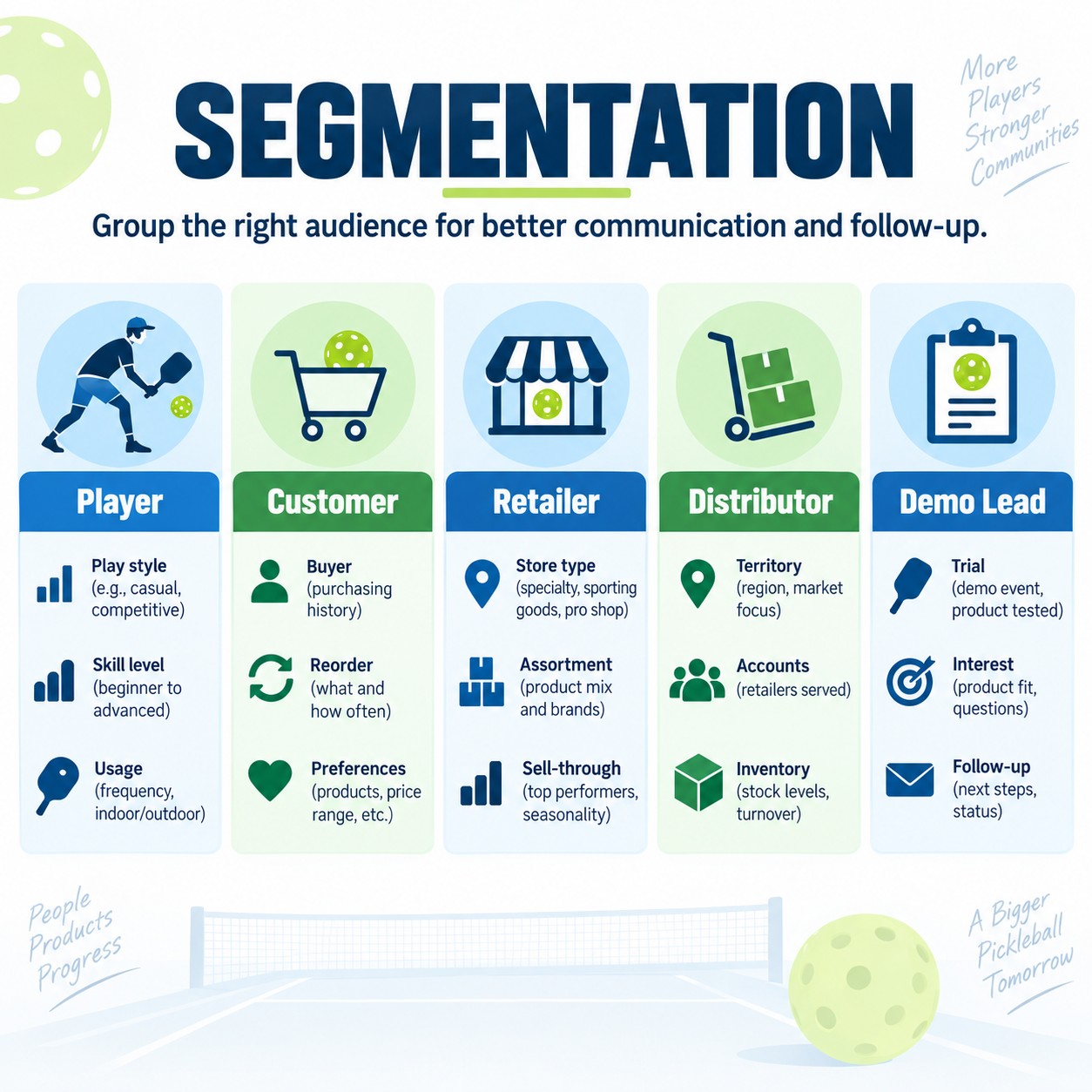
Segment by Customer Job
Separate beginners, competitive players, retailers, distributors, demo participants and existing customers. The same message should not go to everyone.
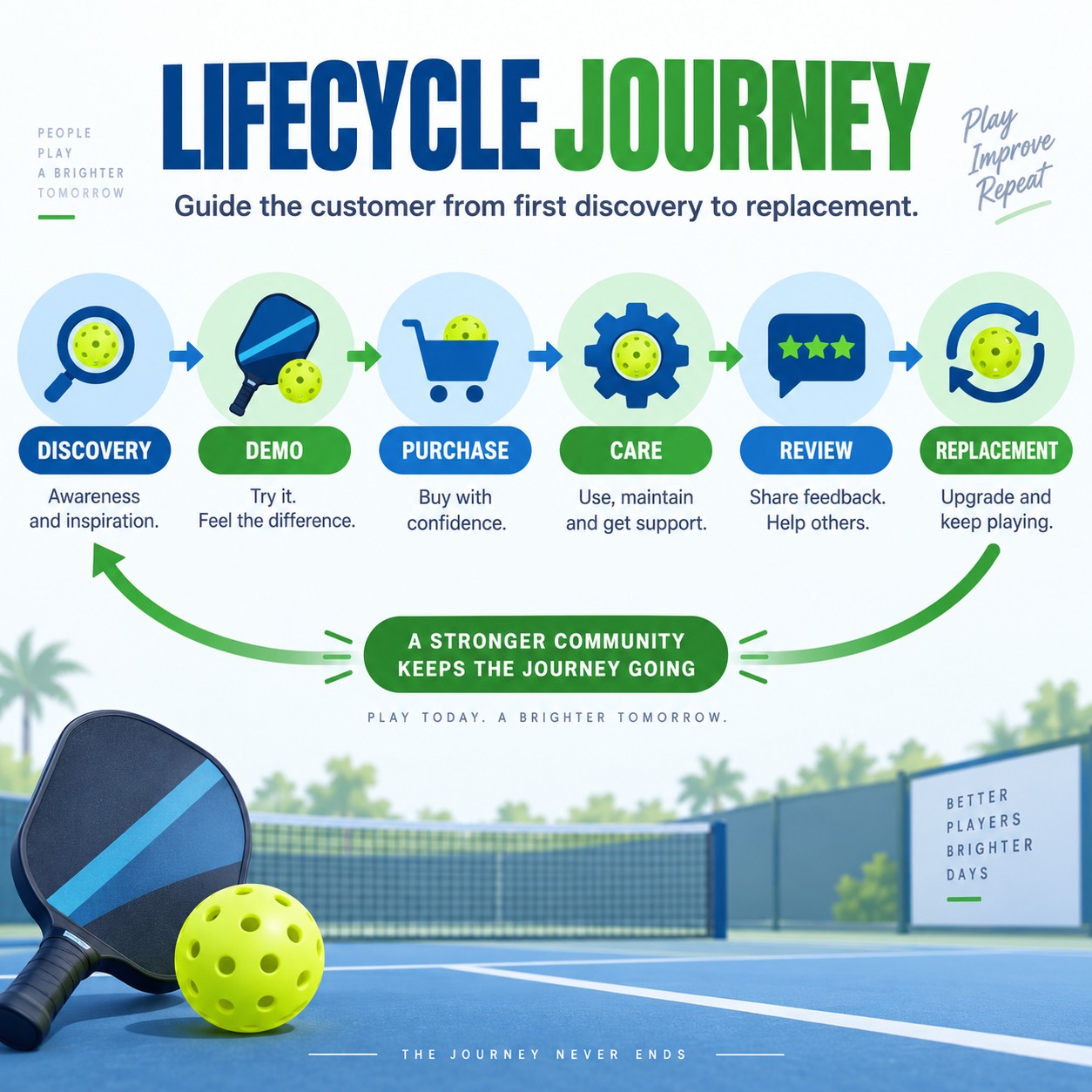
Create Useful Journeys
Examples include first-paddle education, demo follow-up, care/warranty, model comparison and replacement/accessory reminders.
The content should help the user make a decision rather than only deliver promotions.
Segment by Customer Lifecycle
Use CRM as a Feedback System
Record model purchased, warranty issue, demo feedback, retailer lead and product interest. This lets product teams see patterns instead of isolated anecdotes.
Build Community and UGC
Create ambassador groups, test panels or communities with a clear purpose. Ask permission before reusing customer photos and reviews and disclose incentives where required.
Do not manufacture fake social proof.
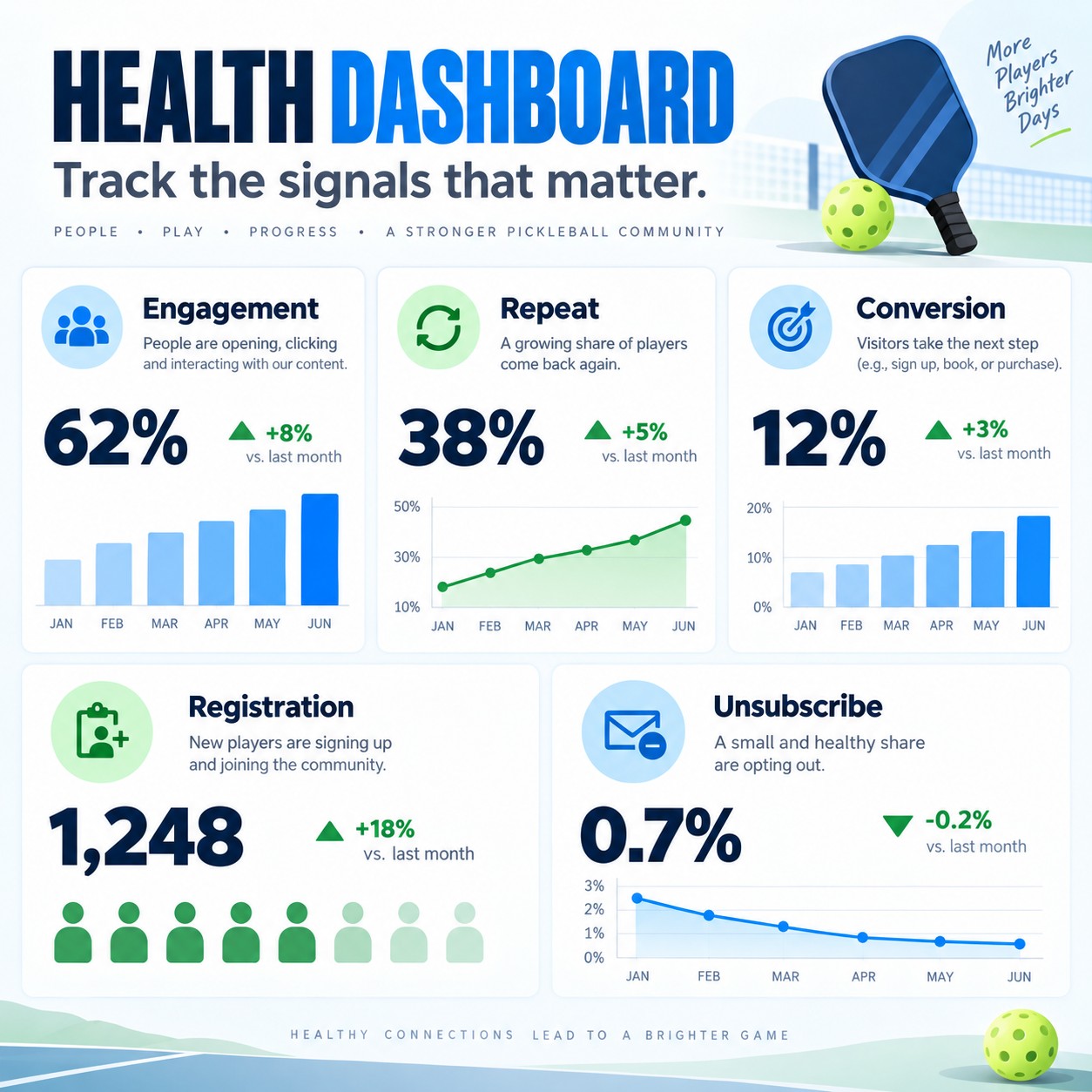
Measure Quality, Not List Size
Track engaged subscribers, repeat purchase, demo conversion, warranty registration, community participation and unsubscribe rates.
A smaller active audience can be more valuable than a large inactive database.
First-Party Data Map
Map every legitimate place where the brand already receives customer data: website checkout, warranty registration, event demos, retailer referrals, customer service and email signup.
Connect these sources only within the permissions and privacy rules that apply. The objective is one useful customer history, not uncontrolled data collection.
Connect CRM, Community and UGC
Content by Lifecycle Stage
Before purchase, send comparisons and fit education. After purchase, send setup, cleaning, grip and warranty guidance. Later, send accessory and replacement education.
This reduces promotional fatigue because each message has a reason connected to the customer’s stage.
Owned Audience and Product Development
Recruit opt-in test panels for new shapes, surfaces or accessories. Record the user’s current paddle and play profile before asking for feedback.
Structured community feedback is far more useful than an open question such as “What do you think?” because it connects opinion to player context.
Practical Editorial / Decision Notes
Map every legitimate first-party data source the brand already has: checkout, warranty registration, demos, customer service, retailer referrals and email sign-up. Connect them only within the permissions that apply.
Owned-audience content should change by lifecycle stage: comparison before purchase, setup and care after purchase, and replacement/accessory guidance later.
Measure Retention, Not List Size
Owned-Audience Lifecycle
| Stage | Useful Content | Metric |
|---|---|---|
| Discovery | Education / comparison | Opt-in |
| Demo | Model follow-up | Demo conversion |
| Purchase | Setup / care | Activation |
| Ownership | Warranty / accessories | Repeat / support |
| Replacement | Upgrade / reuse guidance | LTV / retention |
Owned Audience Should Improve the Product, Not Only Sell More
Email and CRM become more valuable when they connect purchase history, demo feedback, warranty and product interest. That turns the audience into a source of lifecycle data rather than a promotion list.
Structured test panels can also improve product development. Feedback is far more useful when the brand knows which paddle the tester normally uses, player level, environment and which prototype changed.
- Collect permission and a clear reason for each data point.
- Change content by lifecycle stage.
- Use structured customer feedback to inform product decisions.
Frequently Asked Questions
What is an owned audience?
A permission-based direct relationship through channels the brand can manage.
Is social media fully owned?
No; the platform controls access and reach.
Should brands buy email lists?
Permission-based acquisition is more reliable and safer.
What content works?
Education, care, comparisons, demos and useful launch updates.
What should I measure?
Engagement, repeat purchase, conversion and retention.
Building a direct customer relationship around your paddle brand?
Mayvoci can help translate product differences into education, demo and post-purchase content that supports retention.
The End about Mayvoci
1)Design:Over 100 paddle designs and photography service to assist start-up.
2)Professional:Focus on various of paddles manufacturing for 6 years
3)Quality:Strict quality management system to provide safety and satisfaction for customers
4)Amazon:Flexible comprehensive solution to make sure each Amazon seller is well cared.
5)Excellent Team:Experienced paddle experts & dynamic sales team give you 5-star service