A used paddle can be good value when the model is known, the structure is healthy and the price reflects wear. The biggest risk is hidden change: surface wear, internal damage, removed weighting, modified grips or a paddle that no longer matches the listing.
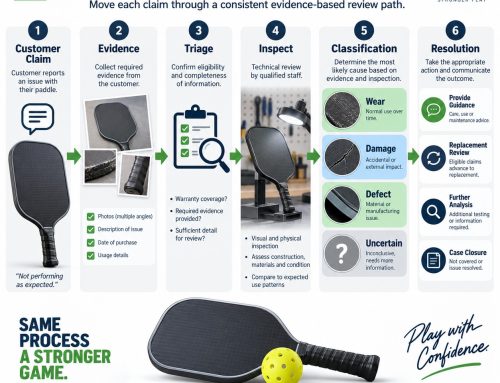
A structured inspection is more useful than asking whether the paddle “still has pop.”
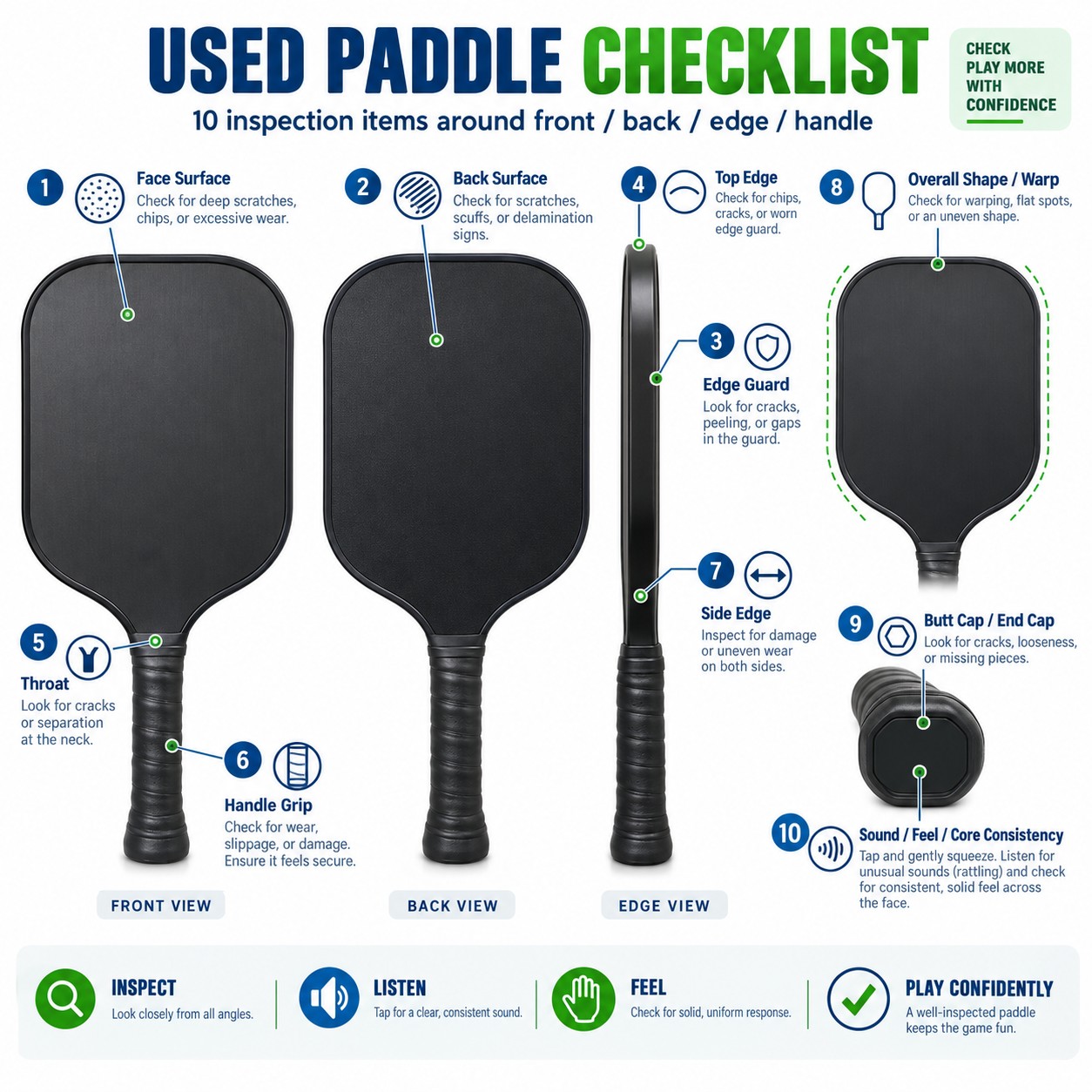
Verify the Exact Used Paddle
Verify the Exact Model and Approval
Confirm model name, thickness, generation and variant. If tournament eligibility matters, check the current approved list rather than relying only on an old stamp.
Inspect Face and Edge
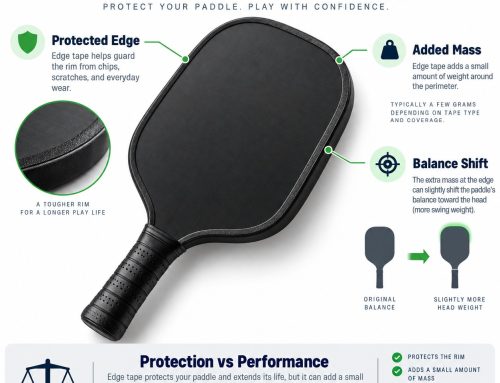
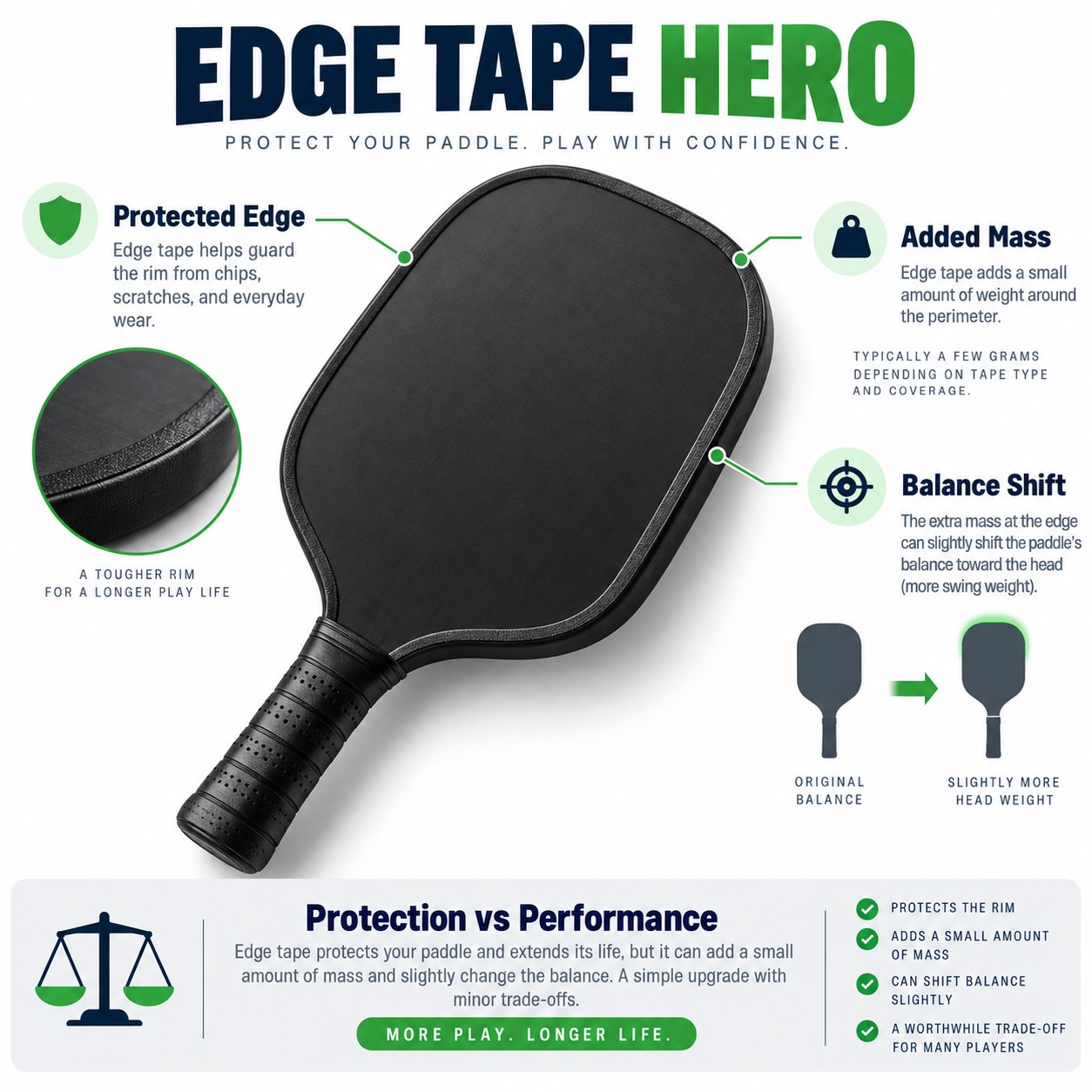
Look for polished zones, coating loss, bubbles, deep scratches, edge separation and impact damage. Heavy edge tape can hide damage, so ask for clear photos.
Ask About Structural Symptoms
Soft spots, rattles or large changes in sound/performance deserve caution. These symptoms do not diagnose a specific failure, but they increase uncertainty.
Inspect Surface, Structure and Modifications
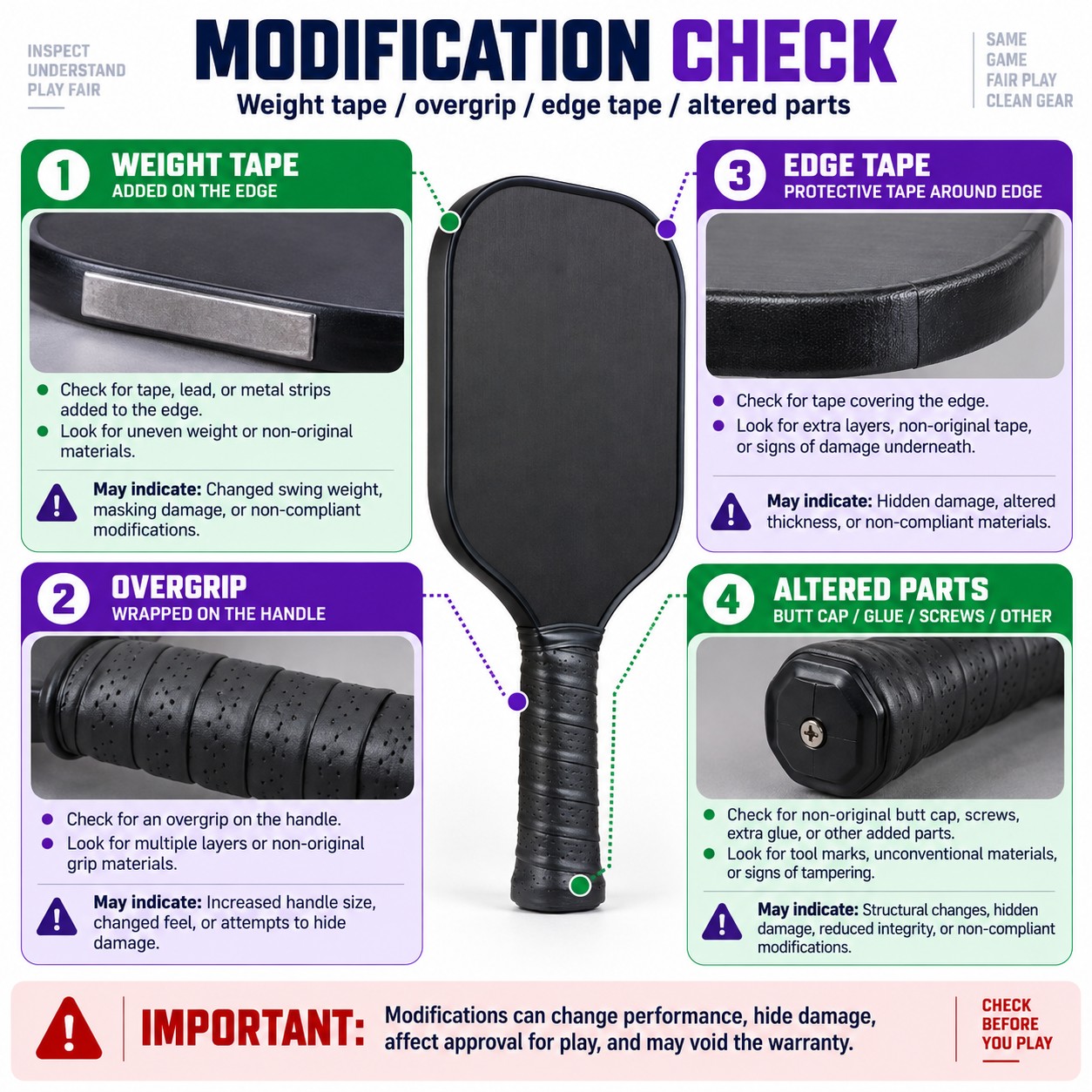
Check Handle and Modifications
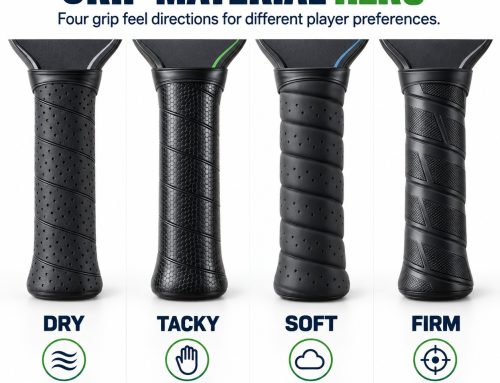
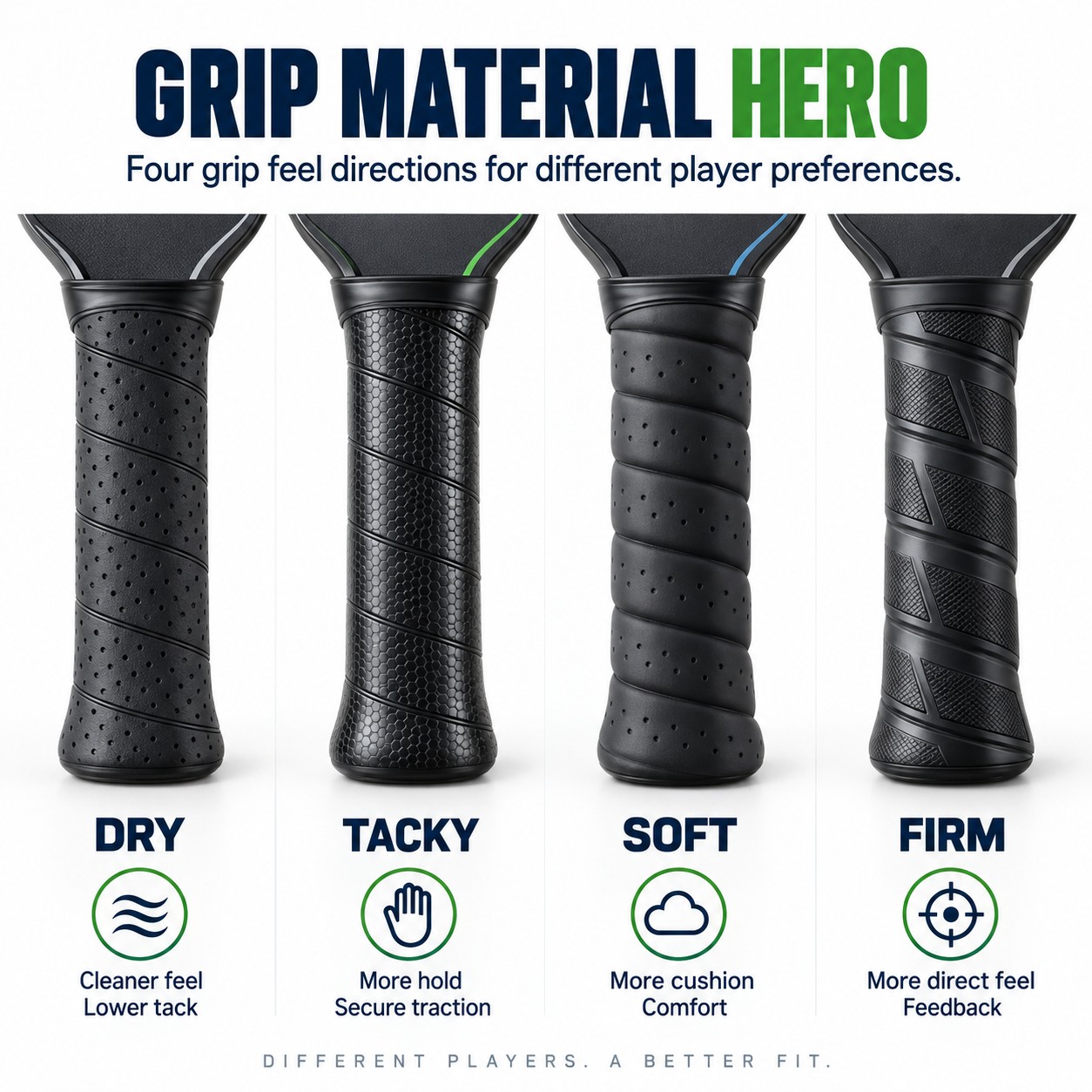
Inspect the handle, butt cap, grip shape and any lead/tungsten or edge modifications. Some changes affect mass distribution or eligibility.
Compare Weight and History
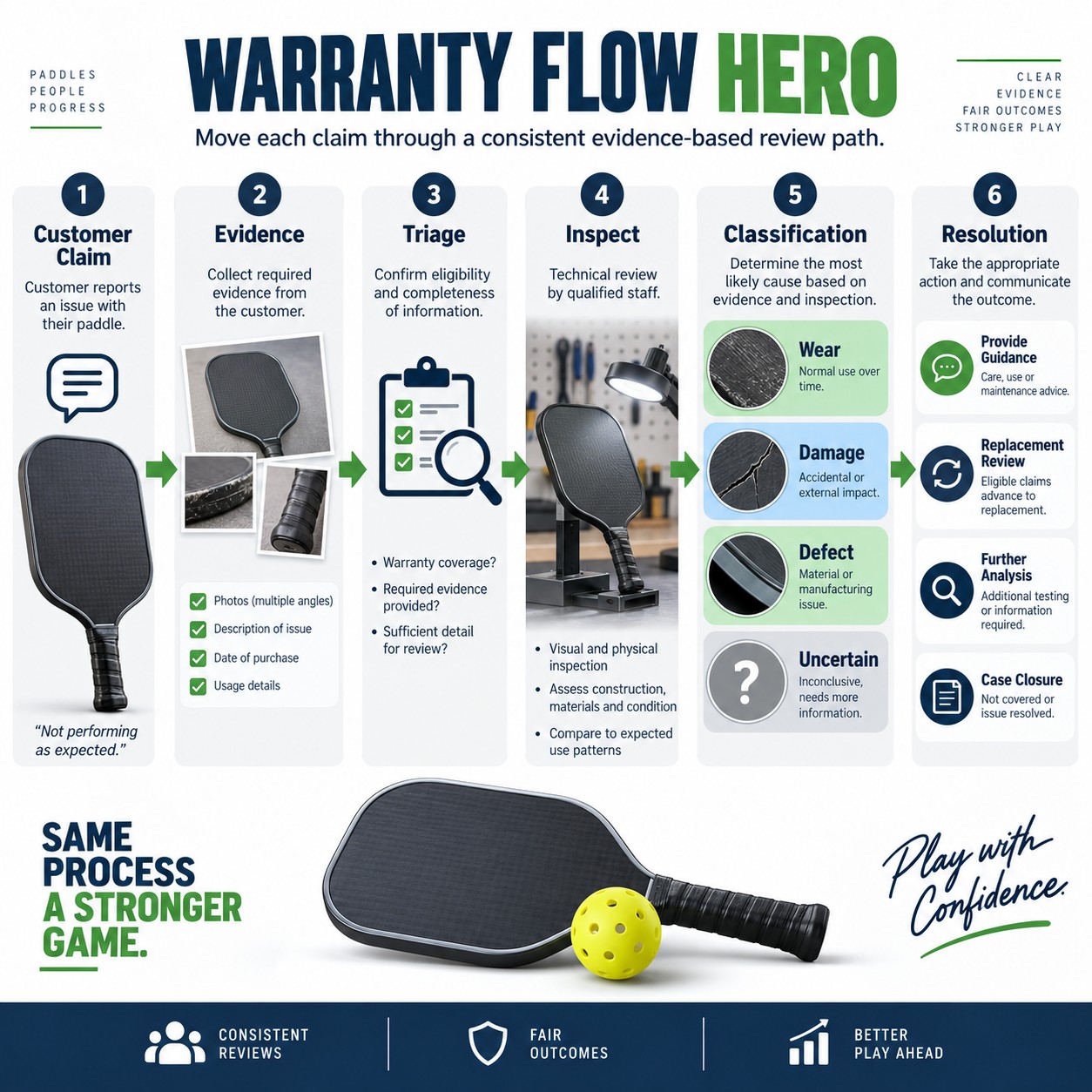
If possible, compare current weight with the published range. Ask purchase date, play frequency, storage, warranty status and reason for sale.
Compare Used Price With Risk
A small discount may not justify losing warranty or return rights. Used value should reflect condition, modification history and uncertainty.
Used-Paddle Seller Checklist
A good seller should provide clear face, edge and handle photos, disclose modifications and answer basic history questions. Sellers should not describe an unexplained structural change as “broken in” simply to protect value.
Transparent condition descriptions reduce disputes and improve resale trust.
Check Approval, History and Price
Tournament Buyer Warning
Professional and amateur events can apply different approved-equipment systems. If competition use matters, verify the exact model and current list before buying.
A bargain is poor value if the paddle cannot be used in the events you plan to enter.
When Used Makes the Most Sense
Used purchases can work well for demoing a new shape, a backup paddle or a casual player with lower warranty expectations. They are less attractive when the discount is small and the model has high surface-wear or structural uncertainty.
Use value, not novelty, as the decision rule.
Practical Editorial / Decision Notes
Used purchases make the most sense when the discount compensates for lost warranty and unknown history—for example as a backup, demo shape or casual-use paddle.
For tournament buyers, verify the exact current approved-equipment status before paying. A cheap paddle that cannot be used in the intended event is poor value.
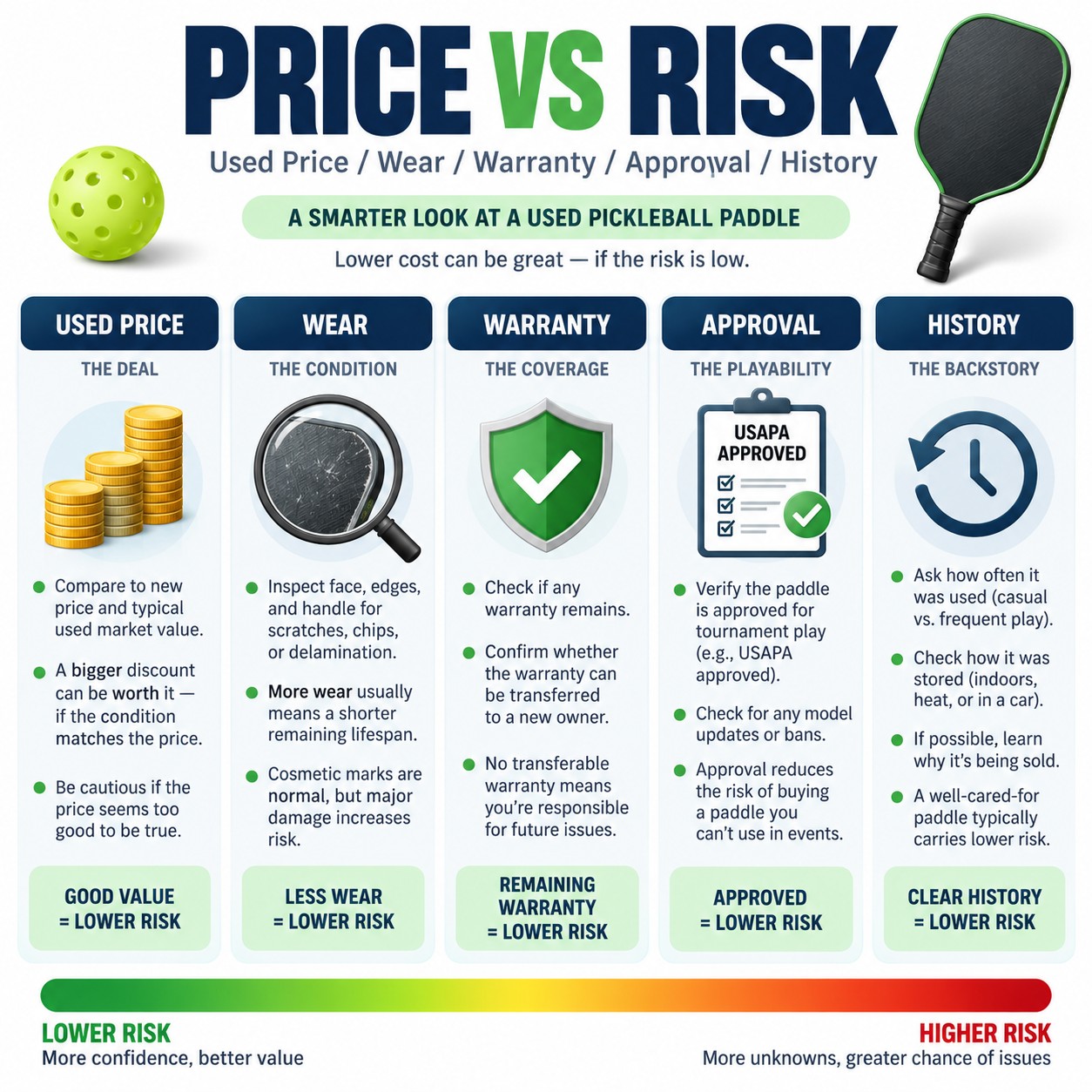
Decide Whether the Discount Justifies the Risk
Used Paddle Inspection
| Check | Good Signal | Risk Signal |
|---|---|---|
| Exact model | Clear variant / receipt | Ambiguous version |
| Face | Normal wear | Bubbles / heavy polish / damage |
| Edge / handle | Solid | Movement / cracks |
| Modifications | Disclosed | Hidden tape / altered parts |
| Approval / warranty | Current / documented | Unknown / expired |
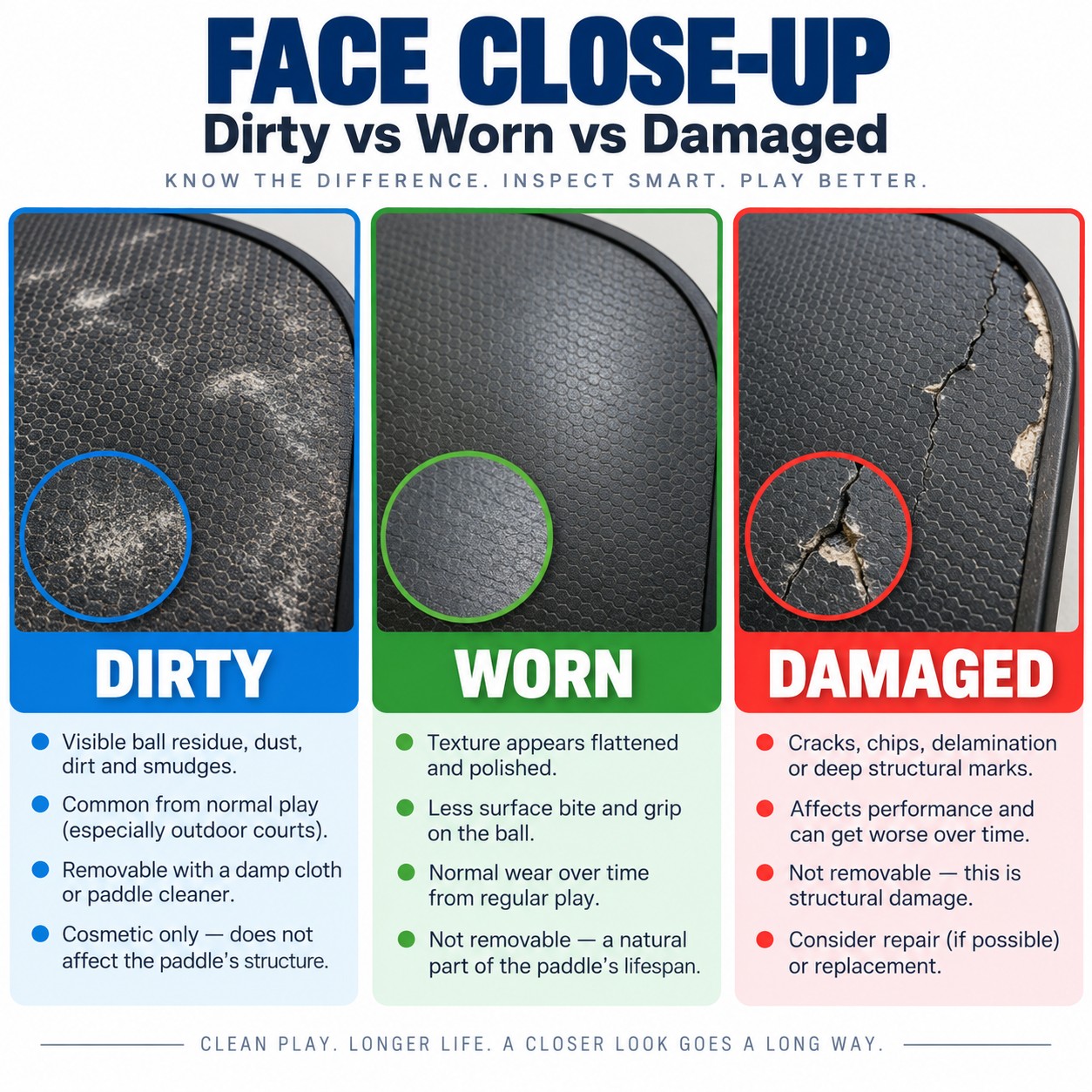
Used-Paddle Advice Should Protect Value, Not Create Fear
A used paddle can be rational for a backup, a shape trial or casual use when the discount reflects lost warranty and unknown history. The goal is to price uncertainty, not assume every used paddle is structurally damaged.
For competition, current eligibility is part of value. The exact model and variant should be checked against the applicable live approved list before purchase.
- Ask for clear condition and modification disclosure.
- Price warranty/history uncertainty into the decision.
- Verify live approval when tournament use matters.
Frequently Asked Questions
Is a used paddle worth buying?
It can be if condition, model and price are clear.
Does a stamp prove current approval?
Check the live approved list.
Can worn texture be restored?
Cleaning can remove dirt but not rebuild worn texture.
Should I buy a paddle with a rattle?
Unexplained structural symptoms increase risk.
What is the biggest advantage of buying new?
Known history, warranty and return rights.
Evaluating durability when developing a paddle line?
Mayvoci can help connect surface wear, structure and warranty expectations to material and process decisions during OEM development.
The End about Mayvoci
1)Design:Over 100 paddle designs and photography service to assist start-up.
2)Professional:Focus on various of paddles manufacturing for 6 years
3)Quality:Strict quality management system to provide safety and satisfaction for customers
4)Amazon:Flexible comprehensive solution to make sure each Amazon seller is well cared.
5)Excellent Team:Experienced paddle experts & dynamic sales team give you 5-star service