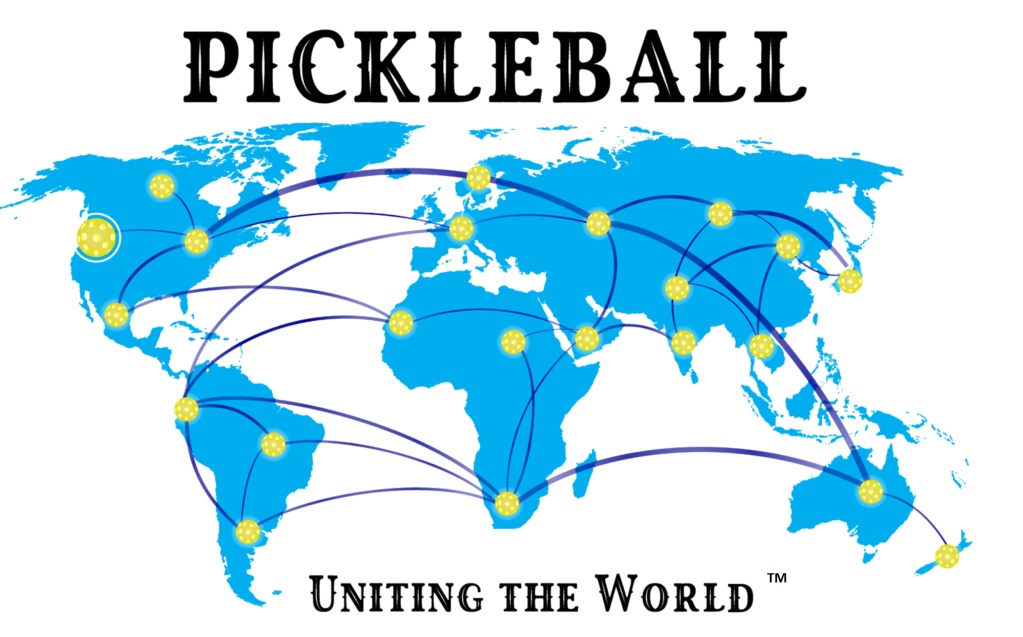
Pickleball is experiencing rapid global expansion, with its internationalization accelerating significantly. This article explores the key roles of the Global Pickleball Federation (GPF), the Asia Pickleball Federation (APF), and the Confederation of African Pickleball (CAP) in driving the sport's worldwide growth, alongside the expansion of tournaments and infrastructure development. Additionally, it analyzes the market potential and challenges facing pickleball and discusses how standardization, technological innovation, and international collaboration can further advance its global reach.
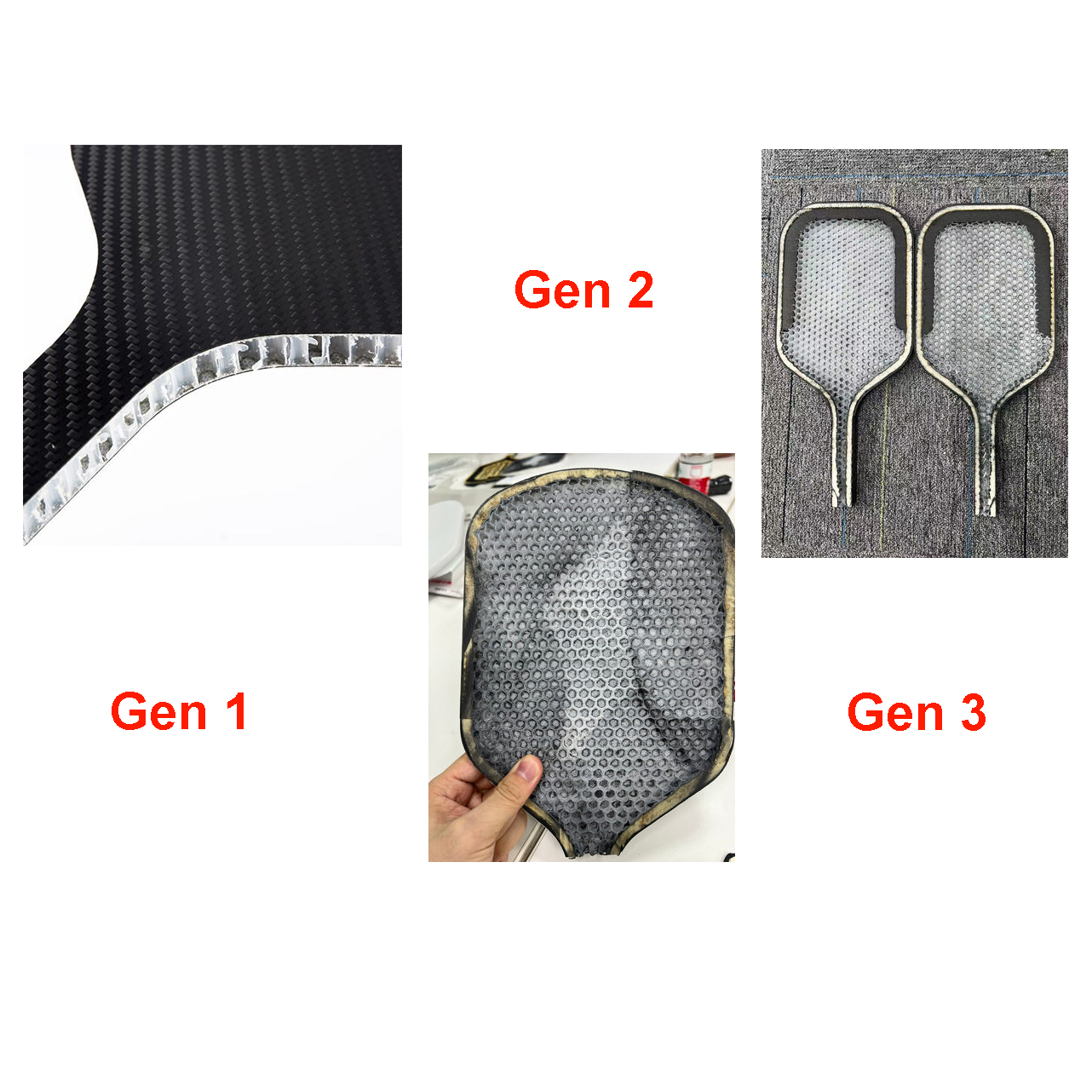
Pickleball Paddle Gen 1 vs. Gen 2 vs. Gen 3: Which One Is Right for You? This article breaks down the differences in structure, performance, target users, and pros & cons to help you choose the best pickleball paddle!
In 2024, pickleball's rapid growth has driven a booming paddle market. Our research on hundreds of paddles reveals that 16mm thickness and elongated shapes dominate, with Toray carbon fiber and polypropylene honeycomb cores as the top material choices. The report highlights key market trends and top-performing paddles for spin, power, and swing weight.
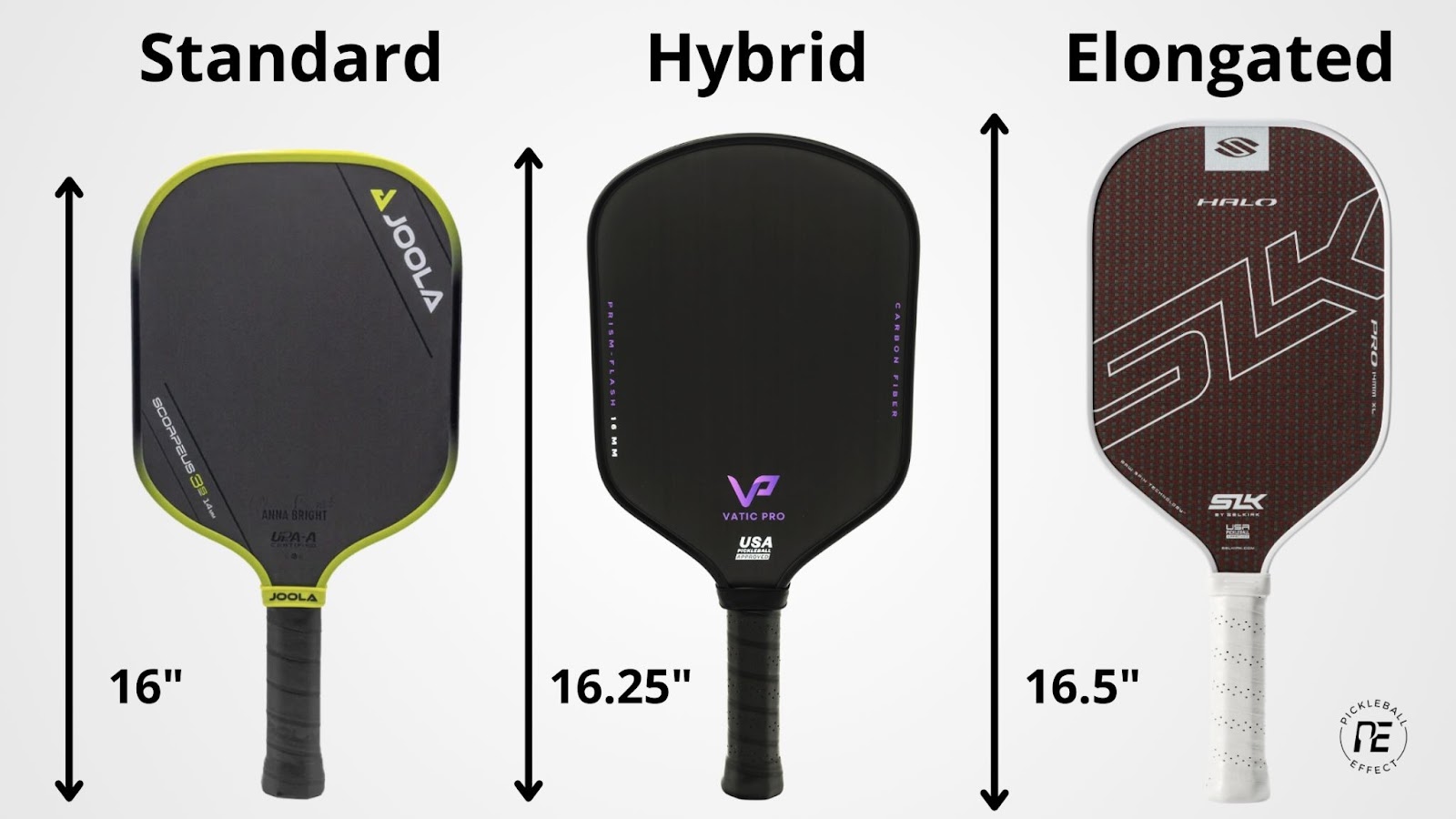
In pickleball, the choice of paddle significantly influences your power, control, and overall performance. Among the various factors to consider, paddle shape plays a crucial role. Each shape offers distinct performance advantages, catering to players of different skill levels and playing styles. This article provides an in-depth analysis of the primary paddle shapes to help you find the perfect match for your game.

This blog highlights the growing interest in pickleball among young players, emphasizing the need for advanced children's paddles. It discusses the technological gap between adult and children's paddles and introduces key considerations for designing better paddles for youth, such as control, shock absorption, and durability.

This blog discusses the persistent issue of grip discomfort in cold-pressed pickleball paddles and explores innovative solutions and market trends. We delve into user complaints, potential improvements, and the implications for manufacturers and players. This discussion aims to shed light on whether enhancing grip comfort can provide a competitive edge in the pickleball market.

Peel-Ply treatment is an advanced technique used in the manufacturing of pickleball paddles to enhance grip, control, and durability. By placing peel-ply fabric between layers of carbon fiber and compressing them in a vacuum bag, this method creates a textured surface that significantly improves paddle performance. This article explores the advantages and disadvantages of Peel-Ply treatment, compares it to granular paint treatment, and discusses the friction coefficient and roughness control of the treated surfaces.



Xiaxitou No.471, Tongan District, Xiamen, Fujian 361100 – China
Quick links