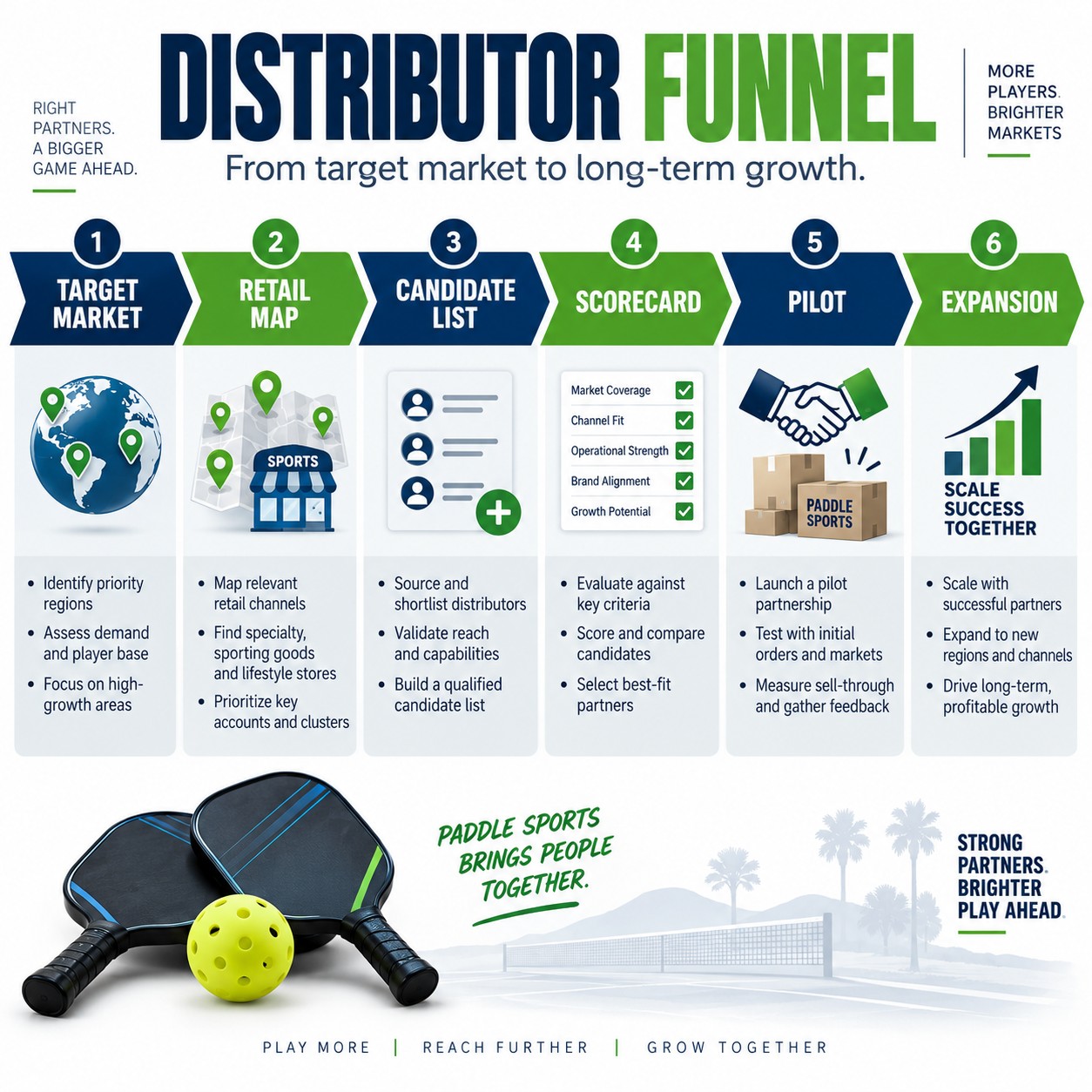
Learn how to build an effective pickleball distributor policy, including pricing, territories, contracts, exclusivity, sales targets, and distributor KPIs.
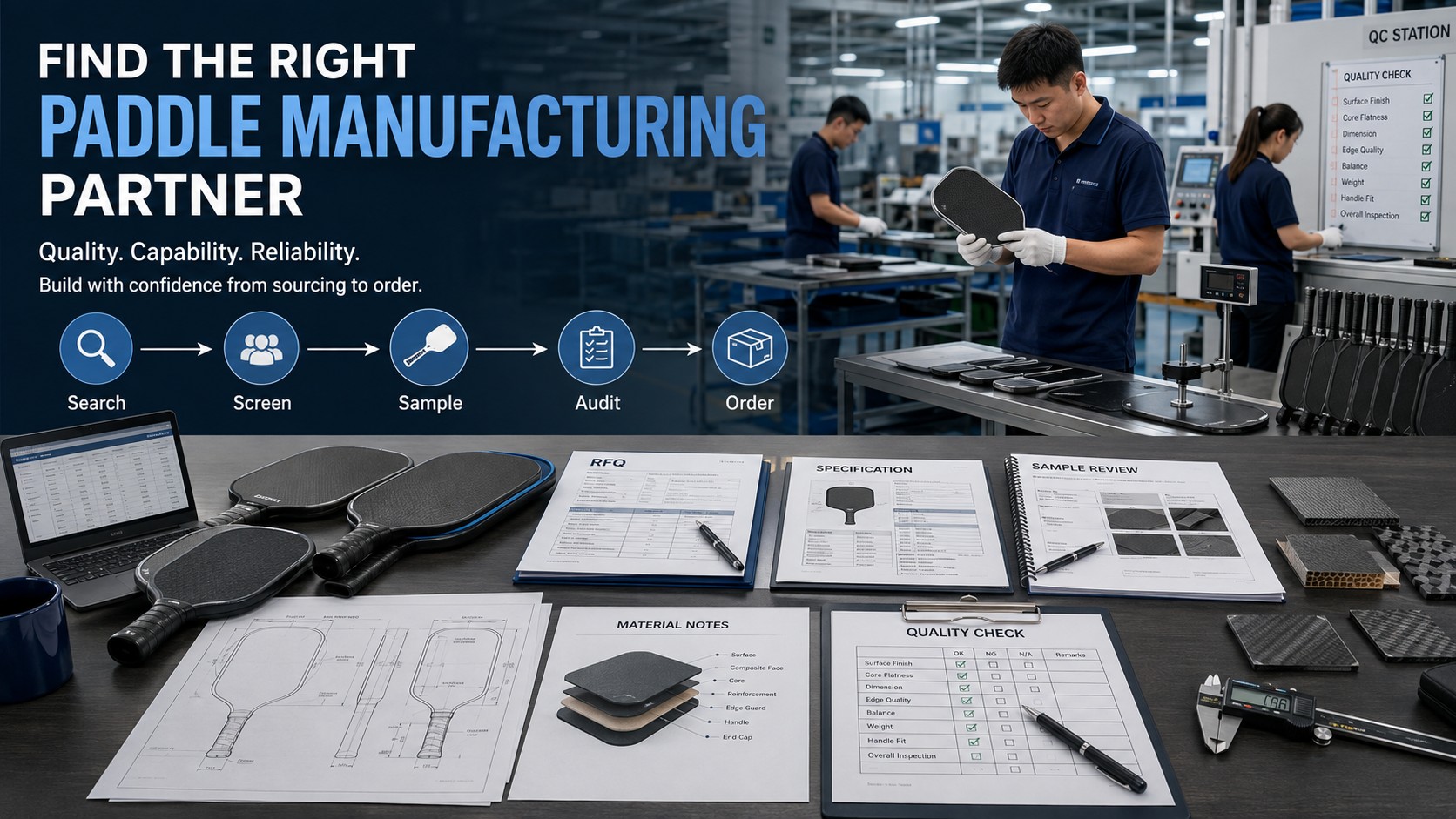
This article explores the critical decision faced by businesses in the sporting equipment industry, specifically regarding whether to source Pickleball paddles directly from factories or through traders. It provides a detailed analysis of the advantages and disadvantages associated with each sourcing strategy. Direct factory purchases are highlighted for their cost-effectiveness and greater control over production, but are limited by high minimum order requirements and logistical challenges. Conversely, traders offer significant benefits in terms of flexible order handling and potentially better pricing for small batches, although they might incur slightly higher overall costs and provide less transparency. The article aims to help businesses assess these trade-offs to choose the best procurement strategy that aligns with their needs, capacity, and market dynamics.
Why distributors still matter in today's direct-to-consumer world Where to find qualified pickleball distributors How to evaluate potential partners Red flags to avoid Whether exclusive distribution is the right strategy