
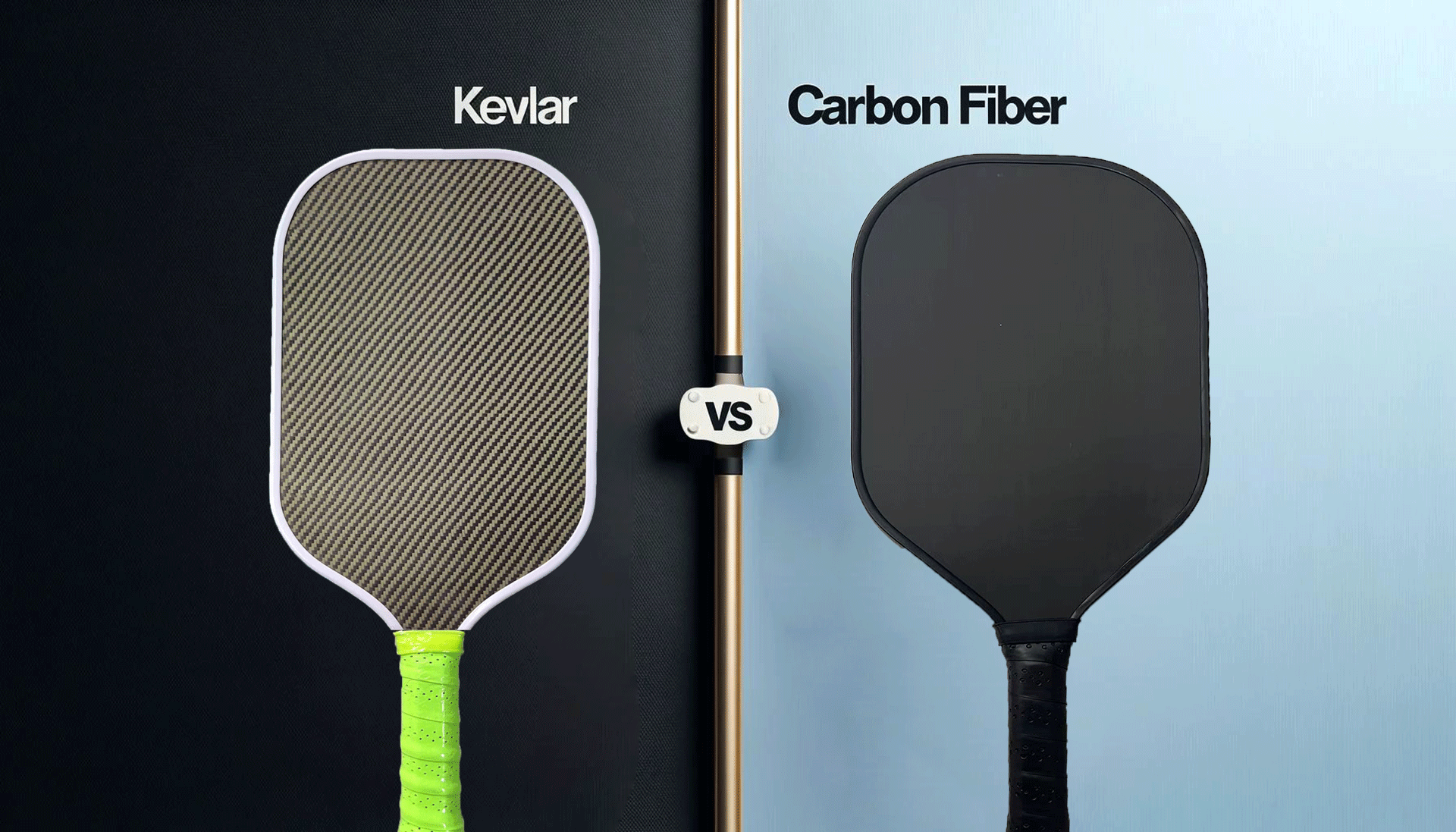
This comprehensive guide delves into the technical specifics of fiberglass and T300 carbon fiber pickleball paddles. By examining their strengths, weaknesses, costs, and suitability for different players, we provide data-driven insights to help you make an informed choice. The analysis includes tensile strength, elasticity modulus, weight comparisons, and real-world applications to highlight the practical differences between these two popular materials.

Peel-Ply treatment is an advanced technique used in the manufacturing of pickleball paddles to enhance grip, control, and durability. By placing peel-ply fabric between layers of carbon fiber and compressing them in a vacuum bag, this method creates a textured surface that significantly improves paddle performance. This article explores the advantages and disadvantages of Peel-Ply treatment, compares it to granular paint treatment, and discusses the friction coefficient and roughness control of the treated surfaces.
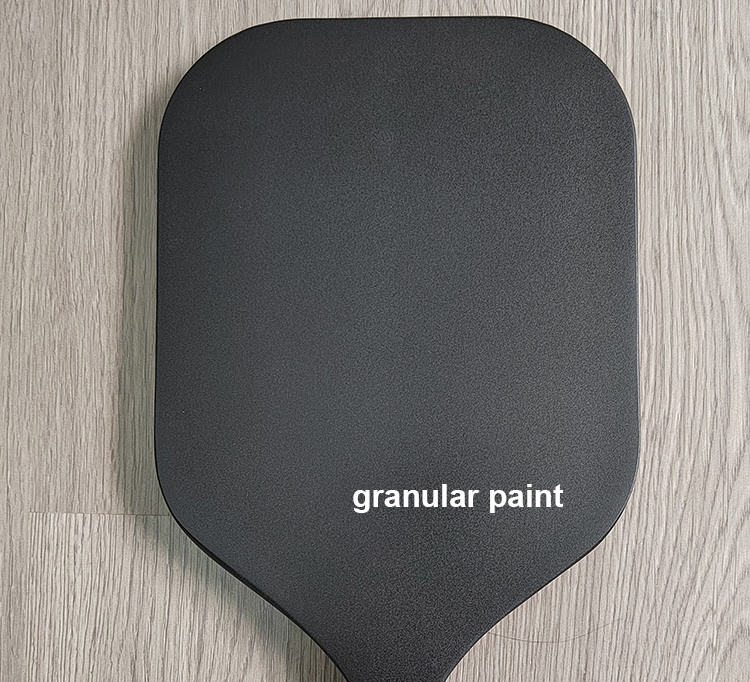
Applying textured paint to pickleball paddles can significantly enhance the grip, control, and overall gameplay experience. This article discusses the reasons for applying textured paint, the benefits, and a step-by-step guide to the application process using the 5W2H method: Who, What, When, Where, Why, How, and How Much.


Xiaxitou No.471, Tongan District, Xiamen, Fujian 361100 – China
Quick links