Retailers do not become effective salespeople because a brand sends them a catalog. Store associates need a short product story, a way to match paddles to player needs, confidence to explain the differences and enough demo experience to make the recommendation credible.
Retailer enablement should reduce the time required to understand and sell the line.
Build a Retail Assortment That Is Easy to Sell
Start With a Small Assortment
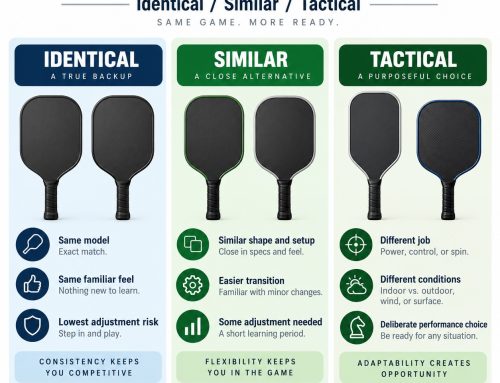
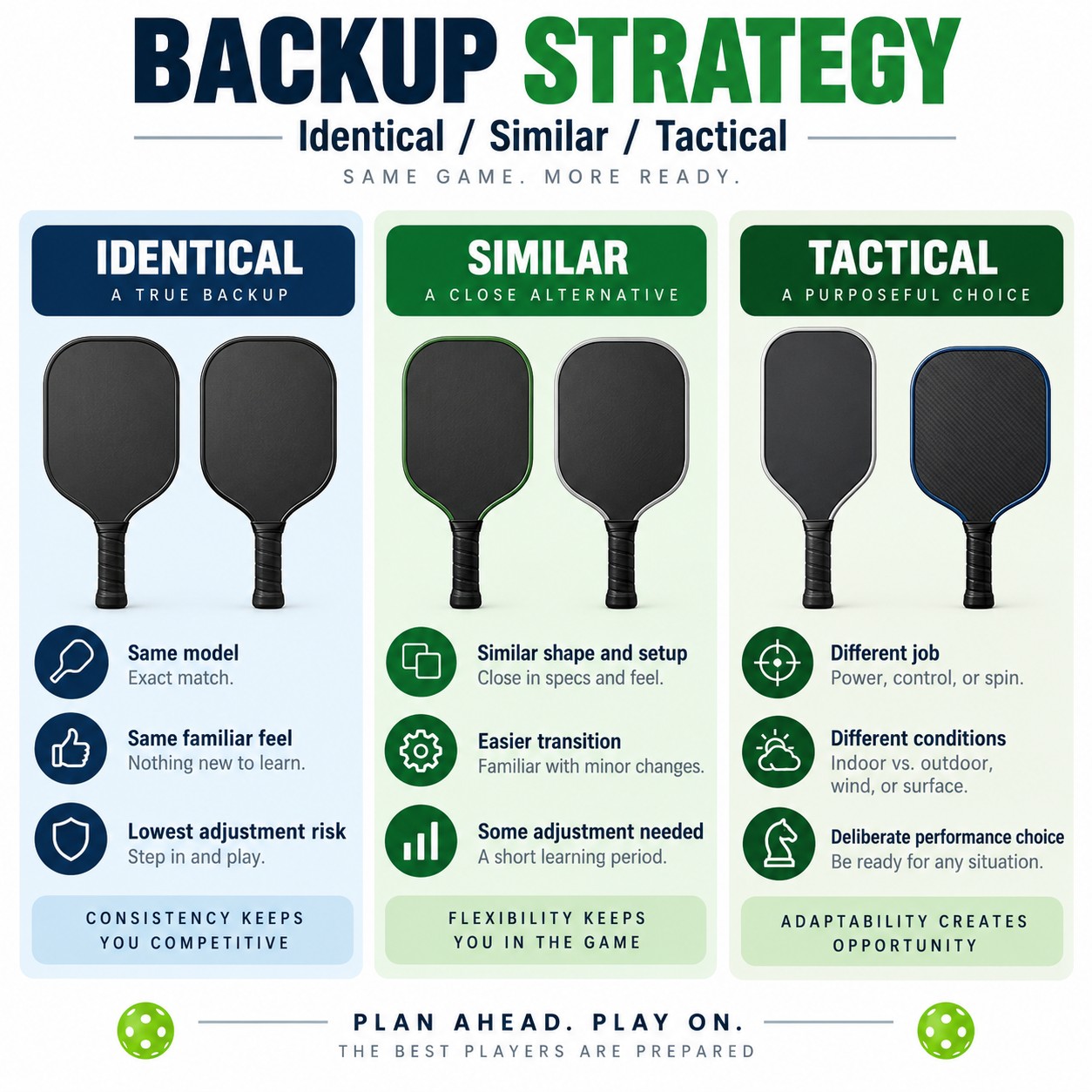
Give each SKU a distinct job such as beginner control, fast all-court, stable widebody or elongated attack. Avoid launching several paddles with nearly identical claims.
A store associate should be able to explain the line in one minute.
Build One-Page Sell Sheets
Include player profile, shape, thickness, weight range, handle, surface/core facts, approval status, MSRP and three reasons to buy. Keep the selling tool simple and link deeper technical content with QR codes.
Create a Demo Kit
Use representative paddles, simple labels, a checkout process and a feedback form. Track which demos convert to sales.
Staff learn much faster when they can feel the difference rather than memorize specification tables.
Train With Demos and Decision Tools
Train Around Customer Questions
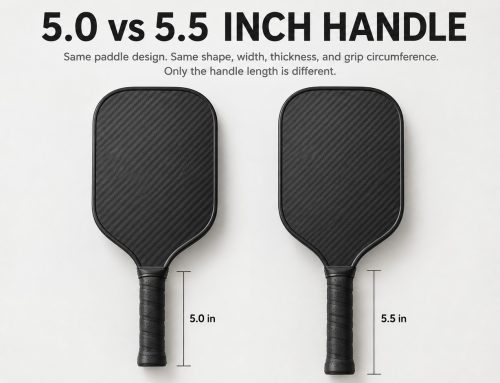
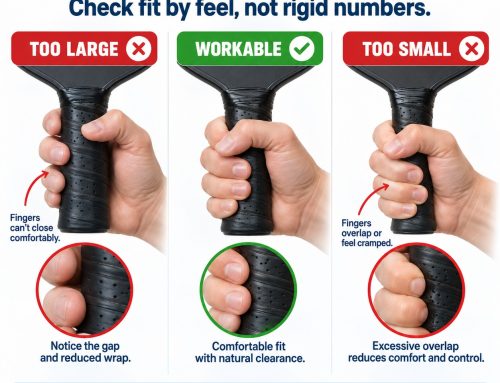
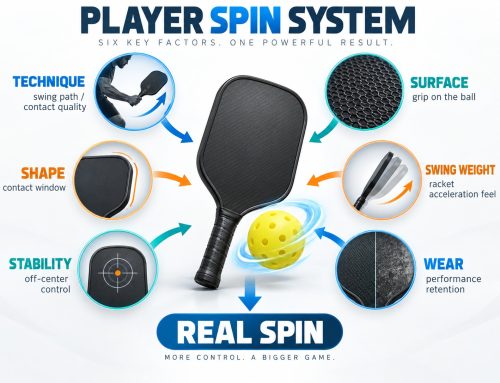
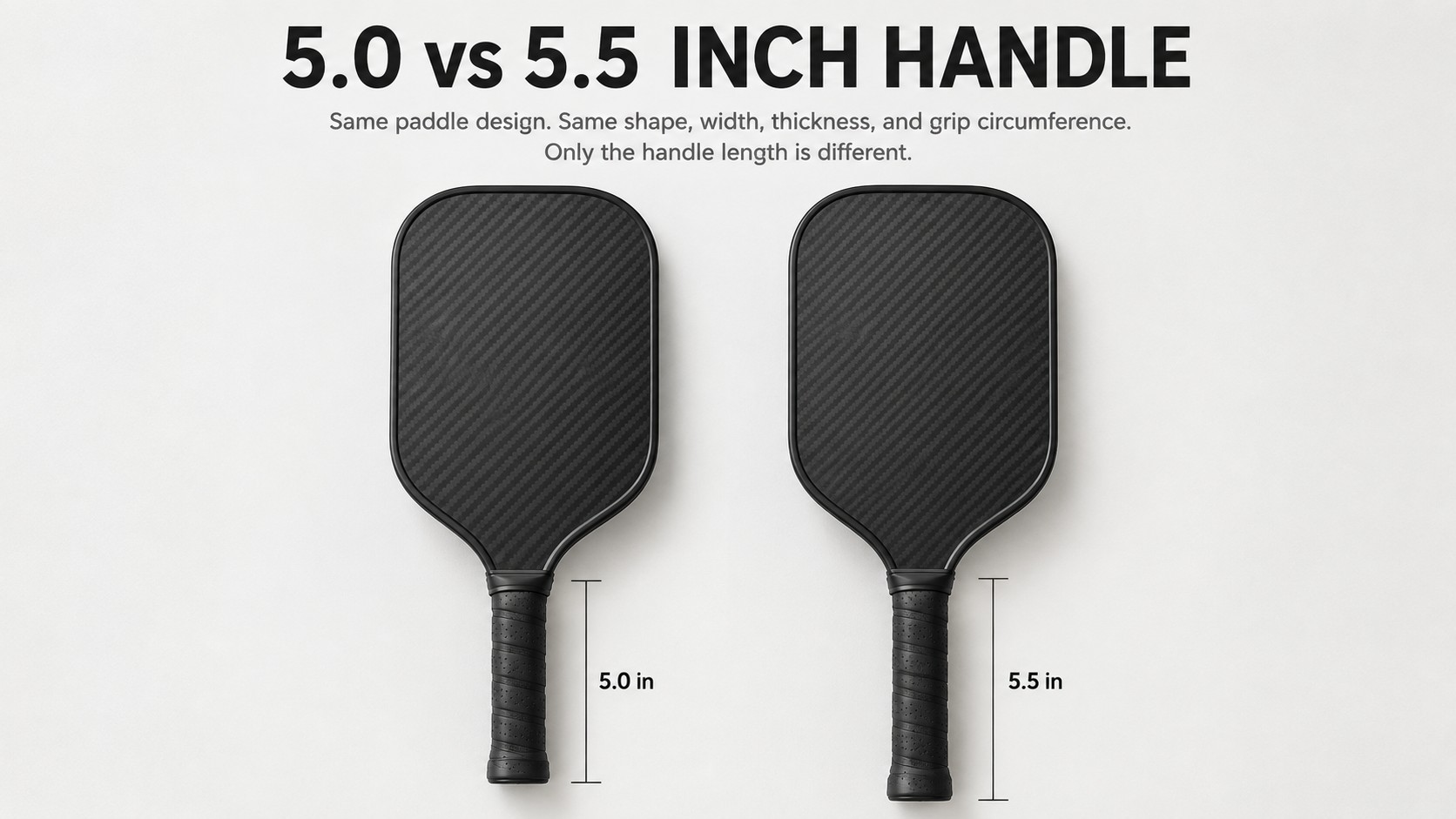
Practice common questions: beginner versus advanced, power versus control, 14 versus 16 mm, handle length, spin, warranty and approval.
Use decision trees instead of aggressive scripts.
Merchandising and Launch
Organize displays by player job or use case rather than price alone. Provide product images, videos, email copy, social posts and event templates.
Inventory, demos and content should arrive together.
Measure Sell-Through and Feedback
Track sell-through, reorder, demo conversion and returns. Ask retailers which questions stop sales and which SKUs customers compare.
Retail feedback is a real product-research channel.
Retail Associate Training Module
A 20-minute training session can be enough if it is structured. Start with the four product jobs, then demonstrate the physical differences, answer the five most common customer questions and finish with a two-minute role-play.
Record the session so new retail staff can repeat it. High staff turnover is common in retail, so the system should not depend on one trained employee.
Merchandising and Launch Support
Merchandising by Decision
Place comparison information where the buying decision happens. For example, a customer deciding between 14 and 16 mm needs thickness explanation next to those SKUs, while a customer comparing elongated and widebody needs geometry guidance.
Good merchandising removes questions. It should reduce the need for every customer to ask a staff member for basic differences.
Retail Launch Scorecard
For the first eight to twelve weeks, track units sold per store, demo usage, questions, returns and reorder. Identify stores that sell well and study what they are doing differently.
Use the findings to improve training and assortment before expanding to more retail doors. Retail scale should follow a repeatable store model.
Practical Editorial / Decision Notes
Retail enablement works best when the product line can be explained in one minute. Each SKU needs a distinct job; otherwise staff default to price or marketing superlatives.
For the first eight to twelve weeks, compare demo usage, unit sales, returns, staff questions and reorder. Use the best stores as the repeatable model before adding doors.
Measure Sell-Through and Reorder
Retail Enablement Kit
| Asset | Purpose | Metric |
|---|---|---|
| 1-page sell sheet | Fast staff understanding | Conversion questions |
| Demo kit | Feel the differences | Demo-to-sale |
| Training module | Consistent recommendation | Staff completion |
| Merchandising cards | Reduce shelf confusion | Sell-through |
| Reorder report | Inventory action | Reorder speed |
Retail Enablement Should Reduce Decision Friction
Retail staff should not need a 30-minute technical lesson before they can recommend a paddle. A strong assortment gives each SKU a clear player job and provides one visual decision tool that explains the differences.
The best retail feedback is also product feedback. Demo usage, repeated questions, returns and slow-moving SKUs reveal where the product story or assortment is unclear.
- Limit opening assortments to clearly differentiated jobs.
- Train around customer questions, not memorized features.
- Use early-store data before expanding retail doors.
Frequently Asked Questions
What should a retailer kit include?
Sell sheets, demo paddles, comparison tools, FAQs and warranty guidance.
How many SKUs should a retailer launch?
Enough to cover clear customer jobs without creating overlap.
What is the best KPI?
Sell-through and reorder are stronger than opening sell-in alone.
Should technical specs be simplified?
Yes for the selling tool, while deeper technical pages stay available.
Why do demos matter?
They let staff and customers validate the product story directly.
Preparing a retail launch?
Mayvoci can help simplify a paddle line into sell sheets, demo logic and an opening assortment that is easier for retailers to explain.
The End about Mayvoci
1)Design:Over 100 paddle designs and photography service to assist start-up.
2)Professional:Focus on various of paddles manufacturing for 6 years
3)Quality:Strict quality management system to provide safety and satisfaction for customers
4)Amazon:Flexible comprehensive solution to make sure each Amazon seller is well cared.
5)Excellent Team:Experienced paddle experts & dynamic sales team give you 5-star service